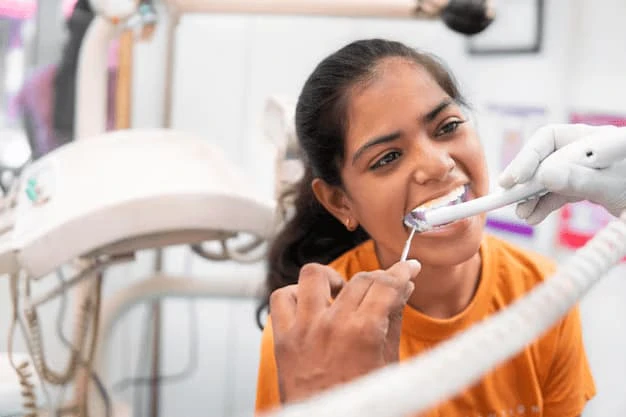
When daily habits and informed care are maintained, a healthy smile becomes achievable and lasting. Dental hygiene plays a key role in keeping teeth and gums clean, strong, and comfortable throughout life. Consistent oral care routines help prevent common dental issues such as decay, gum inflammation, and enamel wear.
Simple practices like brushing twice daily, flossing carefully, and attending regular hygiene visits remove plaque, support gum health, and protect teeth.
Understanding and practising effective dental hygiene ensures not only a visually appealing smile but also long-term oral comfort, confidence, and overall wellbeing.
Understanding Dental Hygiene
Dental hygiene refers to the daily and professional care used to protect teeth and gums. It includes brushing, flossing, and regular hygiene visits. These habits help limit plaque build-up, support gum health, and protect enamel.
Good dental hygiene is not only about clean teeth. It supports fresh breath, reduces discomfort, and helps protect overall health. Many oral concerns begin quietly, which makes routine care an important part of prevention.
Why Dental Hygiene Matters Daily
Food particles and bacteria gather on teeth throughout the day. Without proper cleaning, this build-up can irritate gums and weaken tooth surfaces. Dental hygiene helps interrupt this process before damage develops.
Daily dental hygiene supports gum strength and reduces the chance of tooth decay. It also helps people feel comfortable when speaking or smiling, which can improve social confidence.
The Role of Professional Dental Hygiene Care
Home care is important, yet professional dental hygiene adds an extra layer of protection. A hygiene visit allows trained professionals to remove hardened plaque that brushing alone cannot clear.
Dental hygiene appointments often include gentle cleaning, gum checks, and advice tailored to individual needs. These visits also help identify early signs of concerns, allowing timely care before problems progress.
Common Signs Dental Hygiene Needs Attention
Bleeding gums, persistent bad breath, or sensitivity can signal that dental hygiene routines need review. These signs are common and often manageable with improved care.
Ignoring early signs may lead to discomfort or more complex treatment later. Dental hygiene helps address these issues while they are still mild and easier to manage.
Building Simple Dental Hygiene Habits
Strong dental hygiene begins with simple routines. Brushing twice daily with fluoride toothpaste helps clear plaque and protect enamel. Gentle flossing cleans areas between teeth where brushes cannot reach.
Consistency matters more than force. Careful, regular cleaning supports long-term comfort and keeps gums firm and pink.
Dental Hygiene Across Different Life Stages
Dental hygiene needs change with age. Children benefit from early guidance to build steady habits. Adults often focus on preventing gum concerns and enamel wear. Older adults may need extra support due to dry mouth or reduced dexterity.
At every stage, dental hygiene remains a foundation for oral comfort. Adjusting routines over time helps meet changing needs while keeping care manageable.
Diet and Dental Hygiene
What people eat also affects dental hygiene. Sugary foods and acidic drinks can weaken enamel when consumed often. Drinking water after meals helps wash away residue and supports saliva flow.
Balanced meals support dental hygiene by providing nutrients that help gums stay healthy. Small changes in daily choices can support long-term oral comfort.
Dental Hygiene and Gum Health
Healthy gums support teeth and help prevent discomfort. Dental hygiene keeps gums clean and limits inflammation. When plaque settles near the gum line, irritation may follow.
Regular cleaning and professional support help keep gums firm. Dental hygiene plays a key role in maintaining this balance and protecting tooth stability.
Supporting Confidence Through Dental Hygiene
Dental hygiene also affects how people feel about their smiles. Clean teeth and healthy gums support comfort and confidence in everyday settings.
People who maintain steady dental hygiene often feel more relaxed when smiling or speaking. This quiet benefit can influence daily interactions and personal well-being.
Myths Around Dental Hygiene
Some believe brushing harder improves results, yet gentle techniques are safer for enamel and gums. Others think professional cleaning is only needed when discomfort appears.
Dental hygiene works best as ongoing care rather than reactive treatment. A clear understanding helps people make informed choices and avoid unnecessary discomfort.
Long-Term Benefits of Dental Hygiene
Consistent dental hygiene supports teeth for many years. It helps reduce the need for complex treatment and supports stable oral health.
When dental hygiene is part of daily life, it becomes routine rather than a task. This steady approach helps protect comfort, appearance, and function.
Dental Hygiene as Preventive Care
Preventive care is one of the strongest benefits of dental hygiene. By addressing plaque early and monitoring gum health, many concerns can be avoided.
Dental hygiene visits provide reassurance as well as care. They offer a chance to ask questions and adjust routines with guidance.
Final Thoughts
Dental hygiene remains one of the simplest and most effective ways to protect oral health. Through steady brushing, flossing, and regular hygiene visits, people can support strong teeth and healthy gums over time.
Dental hygiene helps reduce discomfort, supports fresh breath, and builds confidence in daily life. It also allows early signs of concern to be addressed with calm and measured care.
By treating dental hygiene as an ongoing habit rather than an occasional task, individuals can enjoy comfort, function, and peace of mind. Consistent care supports smiles that feel healthy and natural at every stage of life.





























Sign in to leave a comment.