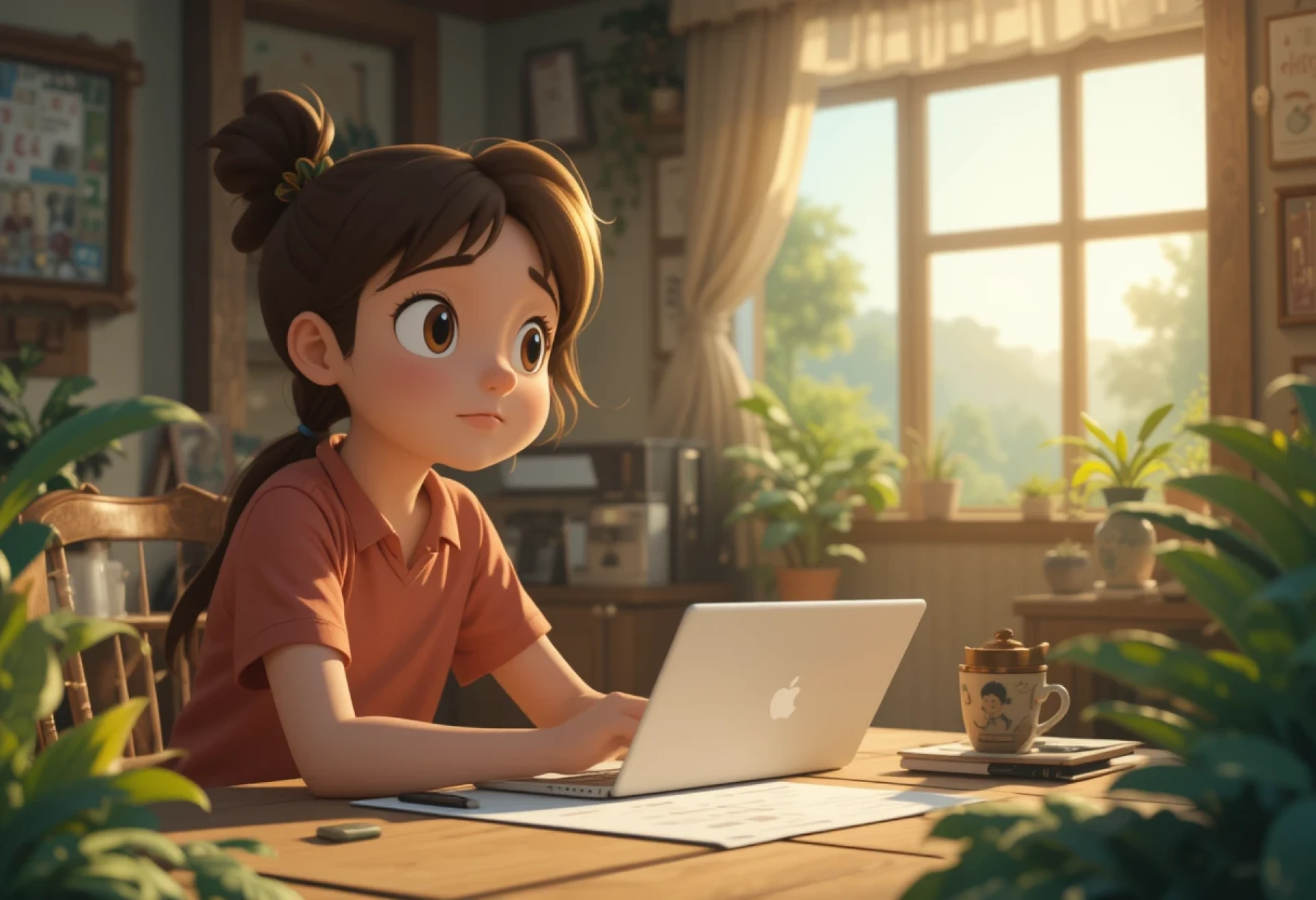
Indie animation is no longer just a side passion or a weekend project—it has evolved into a real opportunity for creators to build a sustainable business. Thanks to digital tools, social platforms, and a growing demand for unique stories, indie animators now have a real shot at building loyal audiences and making money doing what they love.
In this article, we’ll walk you through how to turn your animation skills into a long-term business. Whether you're just starting out or already deep into production, these strategies will help you move from struggling artist to sustainable creative entrepreneur.
Why Indie Animation Has a Bright Future
Over the last decade, content consumption has shifted from traditional TV and film to streaming platforms and social media. As a result, more people are open to discovering new, independent stories told in creative ways.
Here’s why indie animation is gaining ground:
- Creative freedom: You get to tell the stories that mainstream studios might ignore.
- Accessible tools: Software like Blender, Krita, and free AI tools have lowered the barrier to entry.
- Global audience: Platforms like YouTube, Vimeo, and TikTok give you access to millions of viewers.
- Monetization options: From crowdfunding to merch sales, indie creators now have multiple ways to earn.
But having talent alone isn’t enough. You need to think like a business owner.
Step 1: Treat Your Animation Project Like a Startup
To build something sustainable, you need to go beyond passion. Think of your indie animation as a business, not just an art piece.
Create a Simple Business Plan
This doesn’t need to be a 40-page document. A simple plan that outlines your:
- Vision: What do you want to create?
- Audience: Who is this for?
- Revenue streams: How will it make money?
- Timeline: How long will it take?
Define Your Brand
Your animation’s style, tone, and message are part of your brand. Make sure everything from your character designs to your social posts tells a consistent story.
Step 2: Build an Audience Early
Don’t wait until your animation is finished to start building an audience. Grow your community while you're creating the project.
Start with Behind-the-Scenes Content
People love watching the process unfold. Share your:
- Storyboards
- Character sketches
- Voice-over recordings
- Short animation clips
Use the Right Platforms
- YouTube: Great for teaser videos and vlogs.
- Instagram: Perfect for images, reels, and shorts.
- TikTok: Excellent for viral content and quick animation tips.
- Discord: Build a private fan community where people feel involved.
Collect Emails
Use tools like Mailchimp or ConvertKit to build a mailing list. This will be crucial for launching crowdfunding campaigns or announcing releases.
Step 3: Fund Your Project
Creating animation takes time and often money. But don’t worry—you have several ways to fund your work without relying on big investors.
Crowdfunding
Kickstarter and Indiegogo are popular platforms. To succeed:
- Build hype before you launch
- Offer appealing rewards (early access, credits, exclusive art)
- Share your progress regularly
Grants and Fellowships
Look for art-focused grants from organizations like
- The National Endowment for the Arts (NEA)
- Epic Games Megagrants
- Local or international animation festivals
Freelancing to Fund Your Passion
Many indie animators take freelance work to fund their personal projects. Platforms like Upwork, Fiverr, and Behance can help you find clients.
Step 4: Use Technology to Save Time and Money
Animation is labor-intensive, but modern tools can streamline your work.
Use Free and Affordable Software
- Blender for 3D animation and compositing
- OpenToonz for 2D frame -by-frame animation
- Krita for concept art and illustrations
Explore AI Tools
AI can help with tasks like scriptwriting, voiceovers, and character modeling. For example, if you're also working on visual storytelling like comic books, consider tools like an AI comic book generator to convert your scripts or animations into high-quality visual panels easily. This can help you repurpose your content and reach new audiences.
Organize Your Workflow
Use tools like Notion, Trello, or ClickUp to manage your production process. Plan your scenes, assign tasks, and track progress to avoid burnout.
Step 5: Monetize Your Animation Smartly
There are many ways to earn from your work. Try combining several revenue streams to make your business more stable.
YouTube Ad Revenue
If you have regular uploads, YouTube’s Partner Program can generate income through ads.
Patreon and Ko-fi
Offer fans access to:
- Early content
- Behind-the-scenes clips
- Live Q&A sessions
- Digital rewards like wallpapers and storyboards
Merchandise
Sell character merchandise through platforms like
- Printful
- Redbubble
- TeeSpring
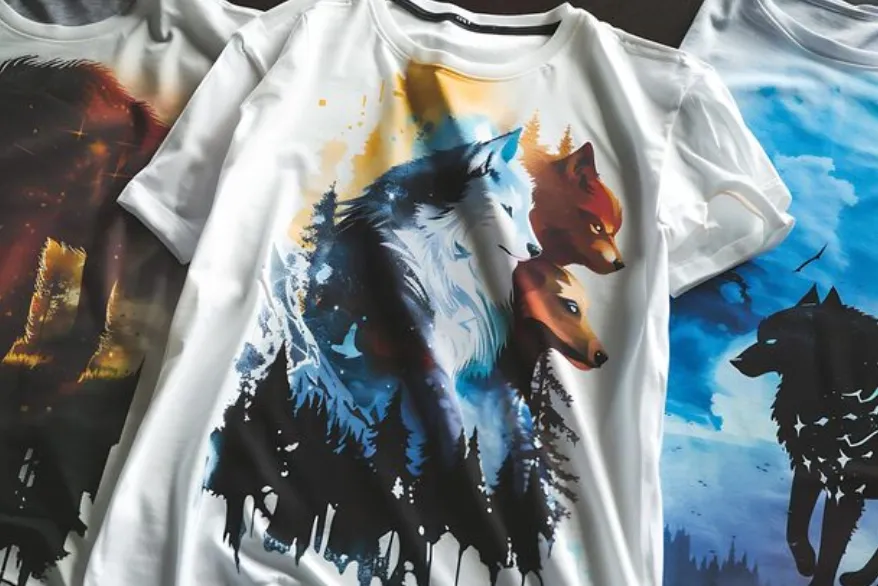
Merch can include T-shirts, stickers, mugs, or art prints. You don’t need to invest in inventory—these platforms handle printing and shipping for you.
Licensing and Streaming Deals
Once your project gains popularity, you can:
- License it to streaming platforms
- Sell the rights for international distribution
- Create spinoff content (games, comics, books)
Step 6: Collaborate Without Losing Creative Control

You might eventually need help, but that doesn’t mean giving up control.
Work with Other Indie Creators
Find talented freelancers or small studios on:
- ArtStation
- Fiverr
- DeviantArt
- LinkedIn animation groups
Clearly outline agreements regarding payments, deadlines, and intellectual property ownership.
Protect Your Work
Always:
- Register your copyright
- Use contracts for any collaborations
- Get permission for any music, sound effects, or third-party content
Step 7: Think Long-Term
Building a business takes time. Success won’t happen overnight, but consistency will pay off.
Stay Consistent with Releases
Even if it’s just one short animation every two months, stay regular. This keeps your audience engaged and your project top-of-mind.
Reinvest in Growth
Once you start earning, invest back into:
- Better equipment
- Hiring help
- Marketing and ads
- Creating spin-off content like webcomics or mini-games
Final Thoughts: Your Passion Can Be Your Business
Indie animation has moved from being a niche hobby to a respected creative career. With the right mindset, tools, and community, you can turn your passion project into a sustainable business that grows over time.






















Sign in to leave a comment.