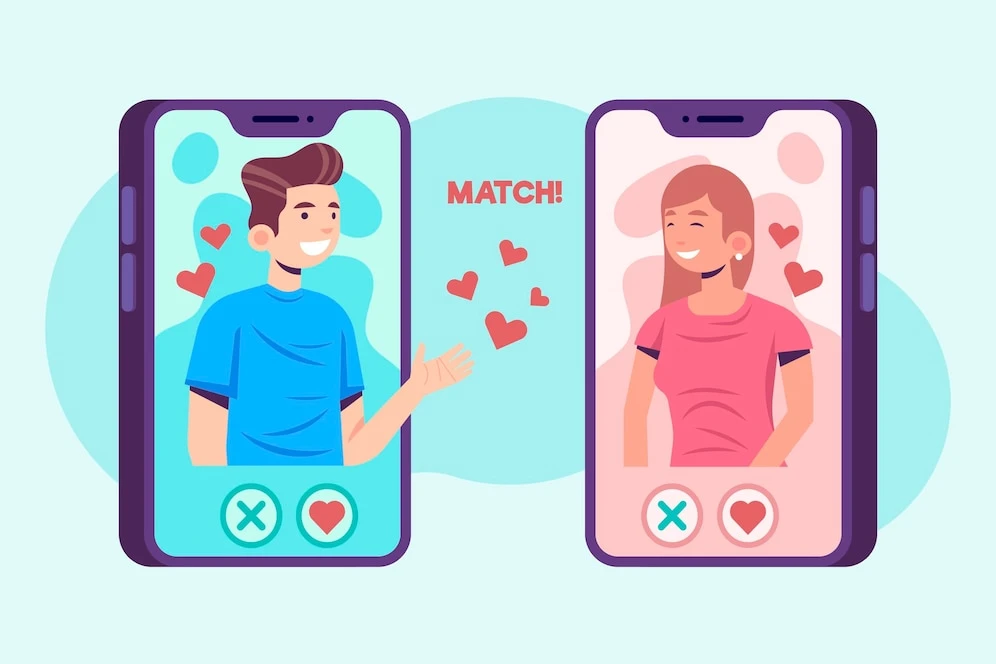

The online dating industry has grown tremendously over the years, with millions of people using dating apps to find love, friendships, or casual relationships. With the rise of digital connectivity, dating apps have become a popular business model, offering entrepreneurs an opportunity to generate revenue while helping people connect.
If you’re considering developing an on-demand dating app clone, this guide will walk you through everything you need to know, from key features to monetization strategies and the development process. By the end of this blog, you’ll have a clear understanding of how to build a successful and profitable dating app.
Why Invest in an On-Demand Dating App Clone?
1. The Growing Popularity of Dating Apps
Dating apps have become an essential part of modern relationships. According to statistics, millions of users log in to dating platforms daily, making them one of the most engaging app categories. With the right marketing and unique features, an on-demand dating app can generate significant revenue.
2. A Profitable Business Model
The dating app industry is highly profitable due to multiple revenue streams, such as in-app purchases, premium memberships, and ads. Successful apps like Tinder, Bumble, and Hinge make millions of dollars annually, proving that there is immense potential in this market.
3. Low Initial Investment Compared to Other Businesses
Developing a dating app requires an upfront investment in development and marketing, but compared to other business ventures, the cost is relatively low. Additionally, launching a clone of an existing successful app means you can skip the trial-and-error phase and implement features that already work.
Key Features of a Successful Dating App Clone
For your on-demand dating app clone to succeed, it must include essential features that enhance user experience and engagement.
1. User Registration & Profile Creation
Allow users to sign up using their email, phone number, or social media accounts. They should be able to create detailed profiles with photos, interests, and personal information to help them find suitable matches.
2. Matching Algorithm
A strong matching algorithm is the backbone of any dating app. It should use user preferences, location, and behavioral data to suggest potential matches. Advanced apps use AI-based algorithms to improve accuracy.
3. Swipe Feature
The swipe feature, popularized by Tinder, allows users to like or dislike a profile with a simple gesture. This interactive feature makes the app engaging and fun to use.
4. Chat and Messaging
Once two users match, they should be able to communicate via chat. Adding voice notes, GIFs, and video messages can improve engagement and user experience.
5. Geolocation-Based Search
Allow users to find matches based on their location. This feature is particularly useful for users looking for local connections.
6. Video Calls & Virtual Dates
With the increasing popularity of virtual dating, integrating video calls can make your app stand out. It allows users to have a face-to-face conversation before meeting in person.
7. In-App Purchases & Premium Subscriptions
Offering premium features, such as unlimited swipes, profile boosts, and advanced filters, can increase revenue. A freemium model encourages users to upgrade for a better experience.
8. Profile Verification for Security
To ensure user safety, implement a verification system that reduces the risk of fake profiles and scams. This builds trust among users.
9. Social Media Integration
Allow users to link their social media accounts to their profiles, making it easier to authenticate accounts and add more personal details.
10. AI-Powered Match Suggestions
Artificial intelligence can analyze user behavior and preferences to offer better match suggestions, improving the overall success rate of the app.
Read More: Step-by-Step Guide to Create Dating App like Tinder: Features, Cost & Time
Monetization Strategies for Your Dating App Clone
To make your dating app profitable, you need effective monetization strategies. Here are some of the best ways to generate revenue:
1. Freemium Model
Offer basic features for free but charge for premium services, such as unlimited swipes, profile boosts, and ad-free browsing.

2. In-App Purchases
Allow users to buy virtual gifts, premium stickers, or special badges to enhance their profiles.
3. Subscription Plans
Provide monthly, quarterly, or yearly subscription plans that unlock exclusive features. Many successful dating apps use this model to ensure recurring revenue.
4. In-App Advertising
Partner with brands to display targeted ads within your app. You can charge based on impressions or clicks, ensuring a steady revenue stream.
5. Affiliate Marketing
Collaborate with businesses related to dating, such as restaurants, travel agencies, and event organizers. You can earn commissions for every user who purchases their services through your app.
Step-by-Step Development Process
Developing a dating app clone requires a structured approach to ensure efficiency and success.
1. Market Research & Competitor Analysis
Before development, study the existing market and analyze competitors. Identify what works and find areas where you can improve or add unique features.
2. Define Your Unique Selling Proposition (USP)
With many dating apps available, your app needs a unique feature to stand out. This could be a specific niche (e.g., dating for professionals, pet lovers, or LGBTQ+ communities) or an advanced algorithm for better matches.
3. Choose the Right Technology Stack
Selecting the right technology is crucial for app performance. Some common technologies used for dating app development include:
- Frontend: React Native, Flutter, or Swift/Kotlin for native apps
- Backend: Node.js, Python, or Ruby on Rails
- Database: MySQL, Firebase, or MongoDB
- Cloud Storage: AWS, Google Cloud, or Azure
4. Develop MVP (Minimum Viable Product)
Start with an MVP that includes essential features like registration, matching, chat, and notifications. This allows you to test the market before investing in additional features.
5. UI/UX Design
The design of your app should be user-friendly, attractive, and easy to navigate. A clean, modern interface encourages users to engage more.
6. App Testing & Quality Assurance
Before launching, conduct rigorous testing to identify bugs and ensure smooth performance. Security testing is also crucial to protect user data.
7. Launch & Marketing Strategy
Once your app is ready, promote it through social media, influencer partnerships, and paid ads. Encourage users to invite friends by offering referral bonuses.
8. Regular Updates & Feature Enhancements
Listen to user feedback and continuously improve the app by adding new features and fixing any issues.
Conclusion
A dating app clone offers a lucrative business opportunity in the growing online dating market. By implementing essential features and a solid monetization strategy, you can create a profitable platform. Working with a trusted app development company can help you build a high-quality dating app that attracts users and generates revenue.
























Sign in to leave a comment.