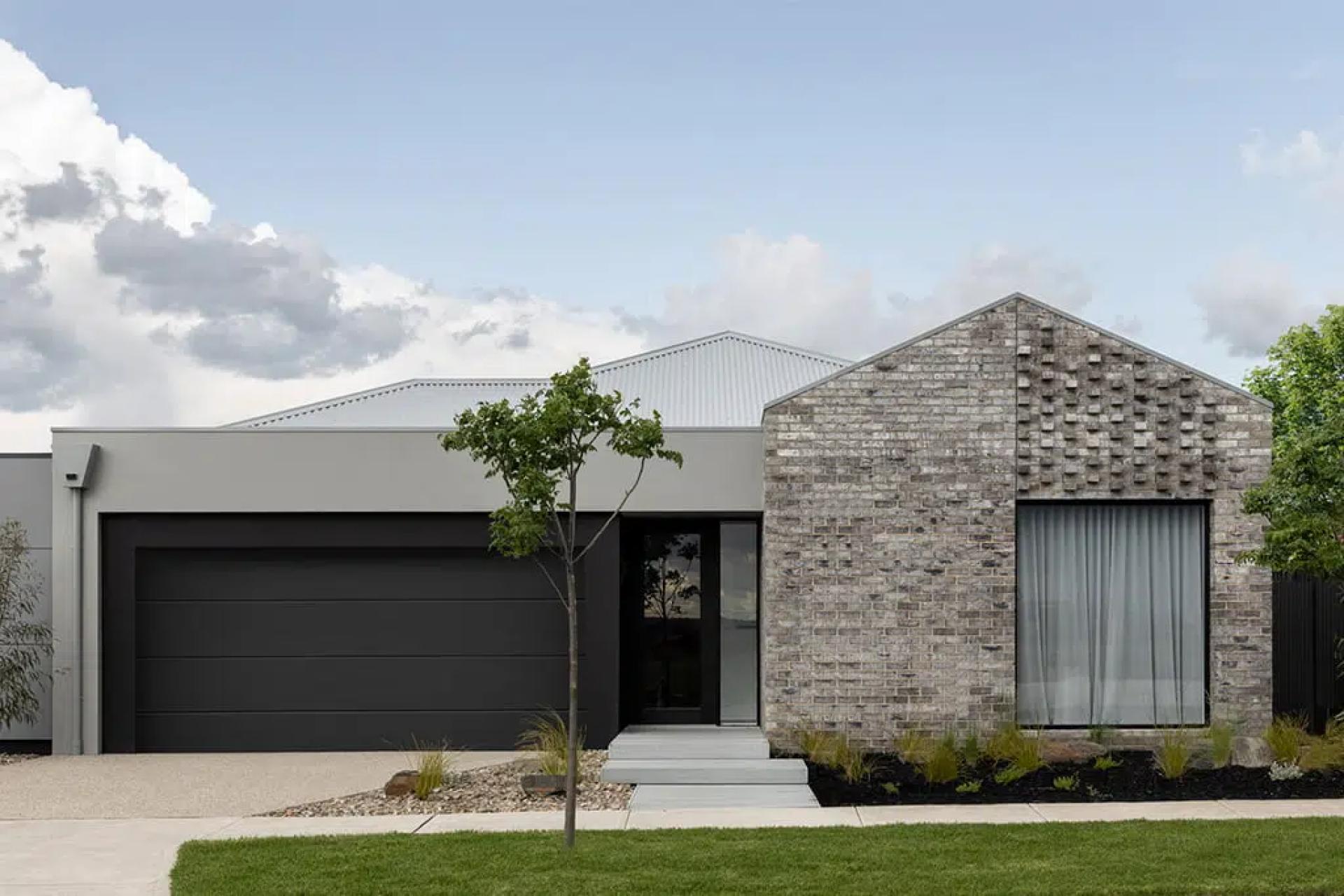

Why “luxury” no longer equals high cost
Luxury used to be defined by size and expensive finishes. Today it’s about experience: daylight that flatters, sightlines that flow, materials that age well, and systems that make life easier. That shift is a win for affordability — you can create a premium feel by investing in a few high-impact elements and being pragmatic elsewhere. Smart home designs Melbourne focus on perceived value rather than sheer expense.
6 practical strategies to get luxury for less
1. Prioritise high-impact spaces
Decide which rooms matter most to your daily life — often the kitchen, main bathroom and master suite — and allocate the premium budget there. Use cost-effective materials in secondary spaces. The outcome: a home that feels luxurious where it matters.
2. Invest in design, not just finishes
A well-proportioned room flooded with natural light looks and feels expensive, even with mid-range finishes. Spend on layout, ceiling height in key rooms, window placement and flow. That design-first approach reduces the need for costly “luxury” fixtures to create presence.
3. Use durable, cost-effective materials
Choose finishes that mimic luxury (e.g., engineered stone, high-quality laminates, textured plaster) for visual impact but with lower lifecycle cost. Locally sourced materials often provide better value and reduce transport premiums — a useful consideration for builders across Victoria, including home builders Geelong.
4. Standardise where possible, customise where it counts
Modular cabinetry, standardised window sizes and repeatable structural details save money. Reserve custom joinery and unique materials for focal points. This hybrid approach keeps cost predictable without sacrificing personality.
5. Design for long-term operating costs
Energy-efficient glazing, insulation, solar-prep and LED lighting raise upfront cost a little, but reduce running costs significantly. In Australian markets, integrated sustainability often translates to higher resale value and a genuine everyday sense of luxury — a comfortable, quiet, thermally stable home.
6. Partner early with experienced custom home builders
Bringing a builder on board in the sketch phase helps align design ambitions with budget realities. Experienced custom home builders Melbourne can value-engineer decisions, recommend cost-saving suppliers, and sequence work to reduce on-site waste and delay costs.
Typical trade-offs (be explicit about them)
- Finish vs function: A marble benchtop may look luxurious, but a durable engineered stone can match the visual outcome for a fraction of the maintenance and cost.
- One-off features vs repeatable systems: Unique windows or custom stairs add wow-factor but increase complexity and timeline. Decide whether that uniqueness is worth the premium.
- Short-term savings vs lifecycle expense: Skimping on insulation or good glazing saves money now but costs more in heating/cooling over time.
A staged approach for balancing budget and ambition
- Stage 1 — Big choices (0–10% of budget): Plan layout, orientation, passive-solar measures, and the rough room sizes. These choices determine comfort and perceived luxury.
- Stage 2 — Select priorities (20–40% of budget): Choose where to spend on finishes and fixtures, and which systems (solar, HVAC) to include.
- Stage 3 — Detailed specification (remaining budget): Lock in materials, bespoke joinery for focal areas, and contractor sequencing to avoid change orders.
This staged decision-making reduces impulse spend and helps you measure the trade-offs between luxury and affordability.
How Melbourne and Geelong homeowners can optimise value
- Work with local builders: Local builders understand council rules, climate, and suppliers. Home builders Geelong and Melbourne specialists can often negotiate better local rates and faster delivery.
- Visit display homes and model suites: Seeing scaled examples of finishes and layouts helps you choose what creates the most perceived value. Many home designs Melbourne are presented in display homes — use them to test real-life feel.
- Ask for lifecycle costs: Request simple life-cycle comparisons (e.g., floor finish A vs B over 10 years) — it brings long-term affordability into the conversation.
Checklist: 10 questions to ask your builder/designer
- Which three design moves will most improve daily comfort?
- What high-impact areas should I prioritise for luxury spend?
- Where can we standardise to save costs?
- What local materials offer the best value?
- How will you limit change orders during construction?
- What passive design elements are included?
- Are there solar/EV-ready provisions in the plan?
- Can you provide a staged budget for custom elements?
- What are the expected operating savings from proposed systems?
- Do you have recent projects in Melbourne or Geelong I can inspect?
Asking these helps you move from aspiration to measurable decisions.
Final thought: luxury is a design outcome, not a price tag
True luxury in a custom home is the feeling of considered detail, comfort and durability. By prioritising design decisions, partnering early with skilled custom home builders Melbourne, and using smart home designs Melbourne techniques, you can achieve a premium home without unnecessary overspend. Whether you’re building in the city or working with reputable home builders Geelong, the right process delivers both elegance and affordability.
FAQs
Q: How much extra does a “luxury” custom home cost in Melbourne?
A: Costs vary widely by size and finishes. A good rule: you can create a luxury feel by spending smart (3–8% of budget on layout and daylighting) and allocating 15–25% of the budget to high-impact rooms rather than across-the-board upgrades.
Q: Are energy-efficient features expensive upfront?
A: Some are modestly pricier upfront (better glazing, insulation), but they reduce running costs and often add resale value — making them a good investment for affordability over time.
Q: How do I find reliable custom home builders in Melbourne or Geelong?
A: Look for builders with local project examples, transparent budgets, staged scopes, and references. Visiting recent builds or display homes helps verify quality and finish.
Q: Can I have bespoke features and keep costs low?
A: Yes — focus bespoke choices in one or two focal areas and standardise other elements. A hybrid approach keeps budgets predictable while delivering uniqueness.
Q: What should I prioritise: size or quality?
A: Quality and considered layout typically deliver more perceived luxury per dollar than adding square metres. Smart home designs Melbourne often prefer smaller, well-crafted spaces over unnecessary floor area.





















Sign in to leave a comment.