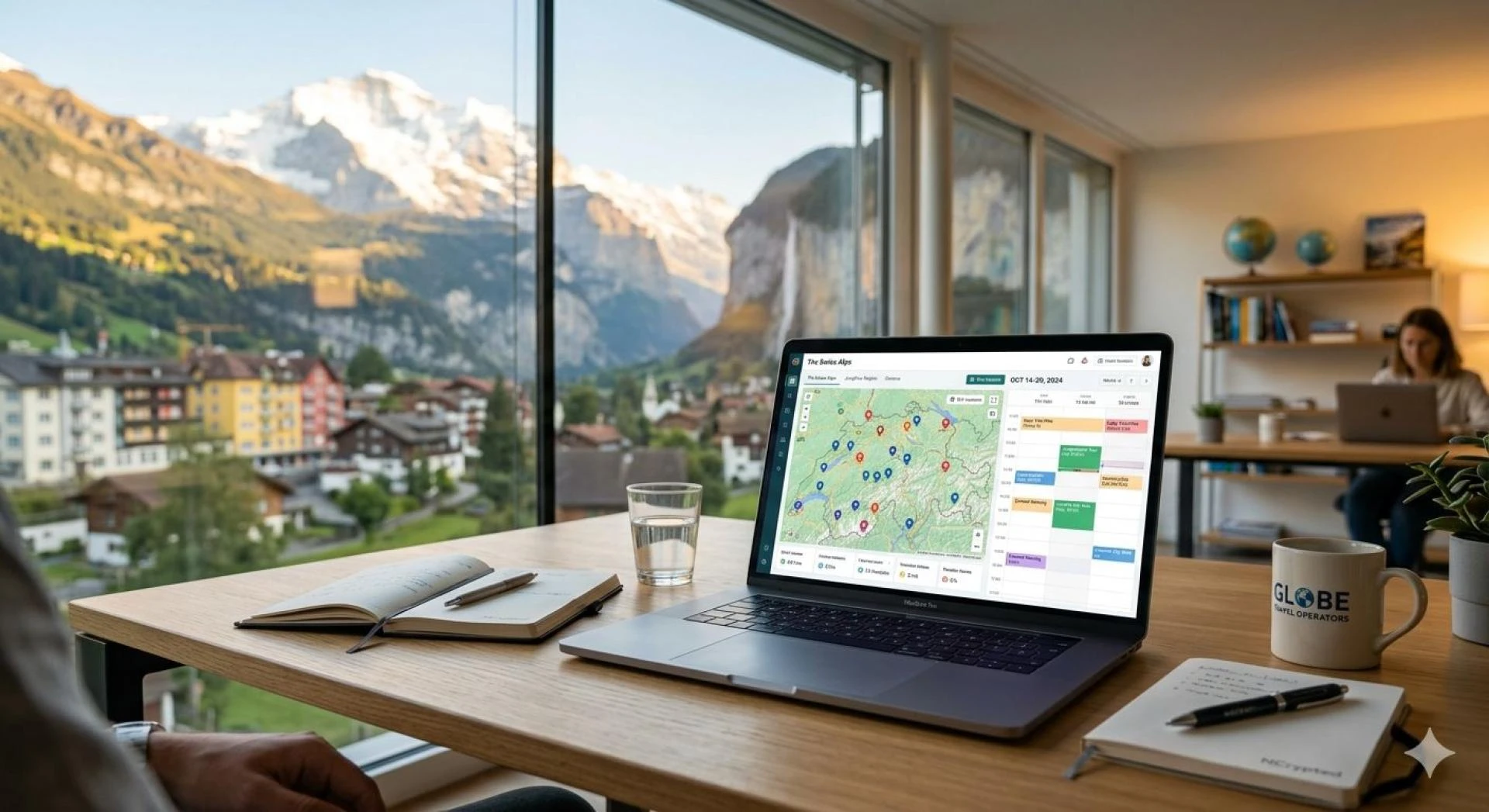

The travel industry has undergone a seismic shift where the traveler no longer seeks just a destination; they are chasing a feeling, a story, or a transformation. For tour operators and Destination Management Companies (DMCs), this means the back-office complexity has scaled exponentially. Managing a series of hotel bookings is one thing, but orchestrating a multi-day trek through the Andes or a curated culinary tour in Tuscany is another beast entirely.
When you set out to build or upgrade a travel software, the conversation often gets bogged down in coding languages and database structures. However, the real tech stack you need isn't just about software; it is about building a digital nervous system that understands the nuance of human experiences.
At the heart of any robust tour management system lies sophisticated inventory control, yet this is where many off-the-shelf solutions stumble. In the world of tours, inventory is not a static item on a shelf; it is a fluid combination of time, physical assets, and human availability. Your tech stack must be able to treat a kayak, a mountain bike, or a seat in a van as a finite resource that is intrinsically linked to a specific time slot.
A truly professional system prevents the nightmare of overbooking by creating a centralized logic where every asset is tracked in real-time. If a van is assigned to a city tour at 10:00 AM, the system should automatically "silence" that asset for any overlapping sunset excursions. This level of granular control is what separates a professional operation from one that relies on frantic, last-minute phone calls.
Beyond the physical assets, the most critical "resource" in travel is the human guide. Guide allocation is often the most manual part of a DMC’s day, yet it is ripe for automation. A modern tech stack should include a module that functions like a high-end scheduling engine, matching guides to tours based on language proficiency, specialized knowledge, or even physical fitness levels required for the trek.
When the software handles the logic of who is where and when, the operator is free to focus on the quality of the storytelling rather than the logistics of the schedule. This logic must extend to the mobile space; a guide should be able to check their roster, report a delay, or access guest dietary requirements from a smartphone in the middle of a rainforest.
The financial architecture of your system also requires a level of flexibility that traditional e-commerce platforms simply cannot provide. Tour pricing is rarely a flat rate. You need a stack that supports multifaceted pricing models, from fixed-price group departures to highly variable on-demand private tours.
The system needs to calculate "per person" costs that shift based on the total number of participants, seasonal surcharges, or early-bird incentives. This isn't just about a checkout page; it is about a complex pricing engine that can handle "if-then" scenarios without breaking.
When the software can automatically adjust a quote based on a traveler’s specific request for a luxury vehicle upgrade or a private translator, the sales cycle shortens, and the professional image of the DMC is solidified.
Ultimately, the goal of this technology is to make the complex feel effortless for the end-user. The logistics of a tour - the permits, the vouchers, the driver pickups, and the safety briefings are the invisible scaffolding that supports a traveler’s dream.
By investing in a tech stack that prioritizes inventory synchronization, intelligent guide matching, and flexible financial logic, tour operators can stop being administrators and return to being architects of experience.
The right software doesn't just manage a tour; it frees the humans behind the business to do what they do best: creating moments that stay with people long after they have returned home.



























Sign in to leave a comment.