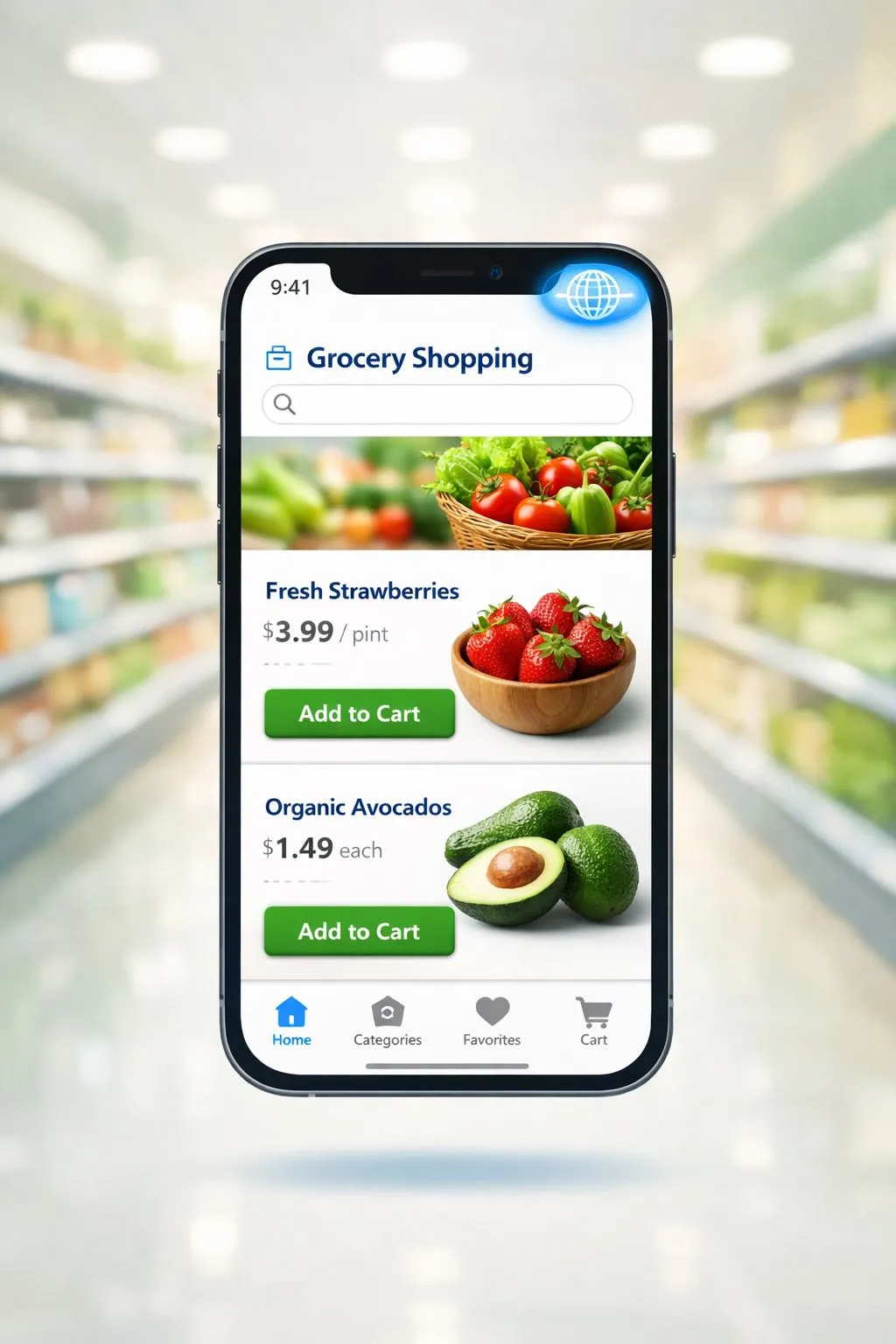

For a regional grocery store chain eyeing digital transformation, the default assumption often points toward commissioning separate native applications for iOS and Android. It feels like the complete solution, the full embrace of modernity. Yet a closer examination of the balance sheet and the customer journey reveals a compelling, and often financially smarter, first stride: the Progressive grocery app development. It is a strategic calibration that prioritizes revenue over vanity metrics and reduces the friction that kills early adoption rates.
The most immediate and persuasive argument for a grocery PWA is the economics of user acquisition. A regional chain does not possess the marketing war chest of a national big-box retailer to muscle its way to the top of the App Store or Google Play charts. Convincing a busy parent standing in the aisle to stop, unlock their phone, open the App Store, authenticate, download a 50MB file over spotty store Wi-Fi, and then finally log in, is a multi-step ordeal that hemorrhages users at every tap.
The PWA sidesteps this gauntlet entirely. A customer scans a QR code on a shelf tag or clicks a link in an SMS order reminder, and the app-like interface materializes instantly in their mobile browser. No download required; no storage space sacrificed; no update permissions needed. The barrier to that first digital cart is lowered from a climbing wall to a welcome mat. This translates directly into a lower cost per acquisition and a higher conversion rate for that crucial first delivery order.
Beyond the initial hurdle, the operational agility of a PWA aligns perfectly with the mercurial nature of grocery inventory. Consider the weekly flyer changeover or a sudden shortage of a specific produce item due to weather. In the native app ecosystem, pushing that update requires a build review cycle that can stall for hours or days; meanwhile, customers are adding out-of-stock avocados to their carts and growing frustrated.
A PWA offers the gift of instantaneity. When the produce manager updates the backend database, the PWA updates in real time, synchronously with the website, ensuring that what the customer sees is precisely what is available on the shelf right now. This reliability, free from the nagging badge of a pending "App Update Required" notification, builds a quiet but profound trust with a demographic that values accuracy and speed over flashy, lagging animations.
There is also the subtle but persistent friction of the device itself. A regional grocer's most loyal demographic may be using a device with limited storage or an operating system a generation behind the latest iOS release. Native apps can be exclusionary; they demand high-end hardware and the latest firmware. A PWA, by contrast, is radically inclusive. It runs on a $100 Android Go device with the same functional smoothness as on a flagship phone, provided there is a modern web view. This inclusivity widens the total addressable market without requiring the development team to maintain three separate codebases.
Now, the inevitable question from a stakeholder who values long-term asset protection is: "Are we throwing money away on a web wrapper when we might eventually need a native presence?" The answer lies in understanding the modern development roadmap. A PWA built by a focused custom development team is not a dead end; it is a foundational layer.
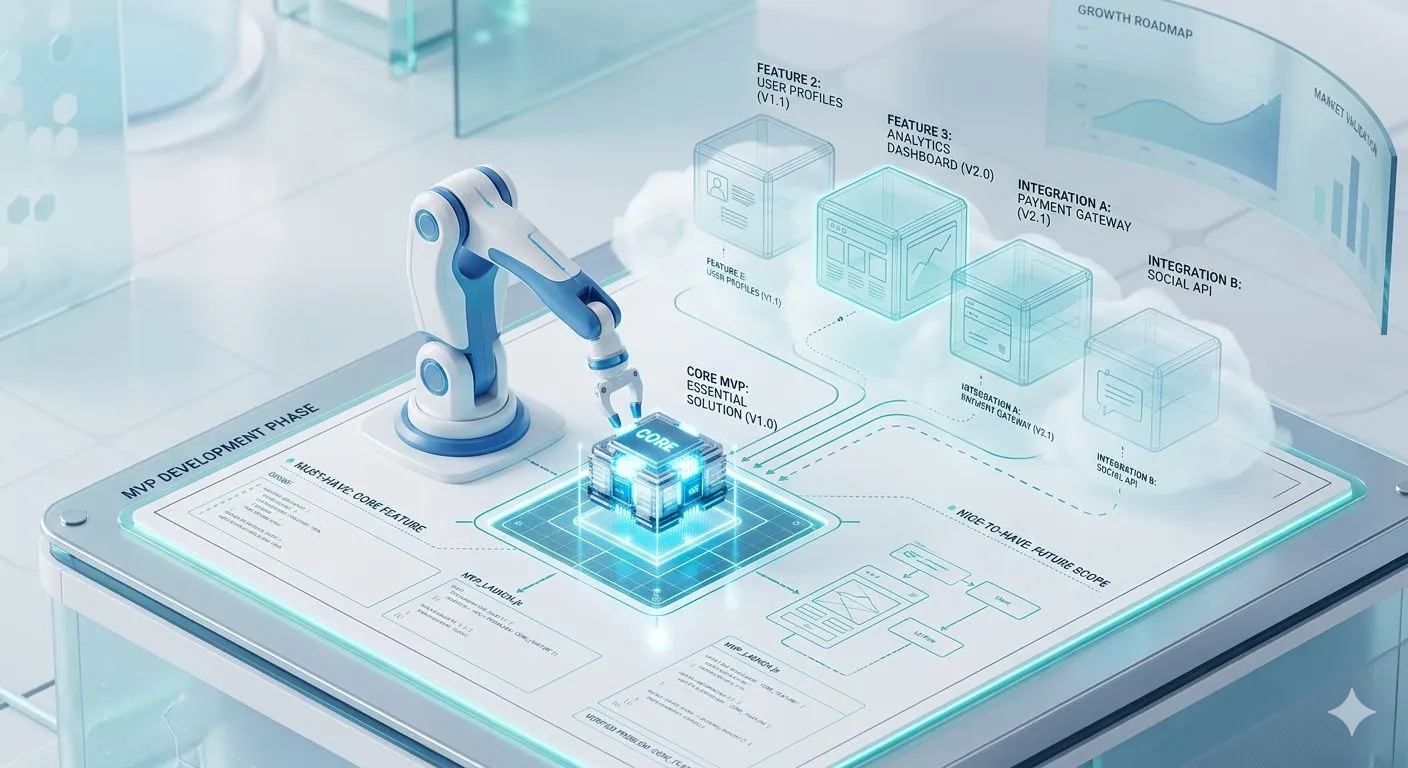
The technical architecture required for a robust, API-driven PWA, that sleek interface with offline cart capabilities and push notifications, is the identical architecture required for a native iOS or Android application. When the time is right, and the business data proves that a native app store presence offers a definitive, incremental return on investment, that same PWA engine can be wrapped and deployed to the stores via a lightweight native container like Capacitor or a Trusted Web Activity. The initial investment is not lost; it is repurposed. You gain the flexibility of a scalable roadmap without the financial sinkhole of maintaining three discrete platforms from day one. It is a thoughtful, phased approach that allows a regional chain to perfect the digital user experience on the web's open frontier before committing to the more regimented and expensive landscape of the app stores.
The smart money in regional grocery delivery is not on the fastest sprint to the App Store homepage; it is on the path of least resistance to the customer's cart. A Progressive Web App is that path: cost-conscious, instantly updateable, and entirely prepared to evolve into a native container when the market demands it. It is development done focusing first on serving the customer where they are and scaling the technology only when the numbers make sense.




























Sign in to leave a comment.