
For property owners and managers, the days of simply maintaining a digital calendar and hoping for the best are fading into a distant memory; the modern landscape demands a level of operational intelligence that basic booking platforms simply cannot provide. What was once a fragmented workflow of spreadsheets, manual emails, and conflicting reservation dates has now evolved into a centralized command center, all powered by a sophisticated vacation rental script.
This shift is not merely about digitizing an existing process; it is about fundamentally reimagining how a property management business operates, moving from a reactive stance to a proactive, data-driven strategy that attracts high-caliber professionals who manage portfolios, not just individual listings.
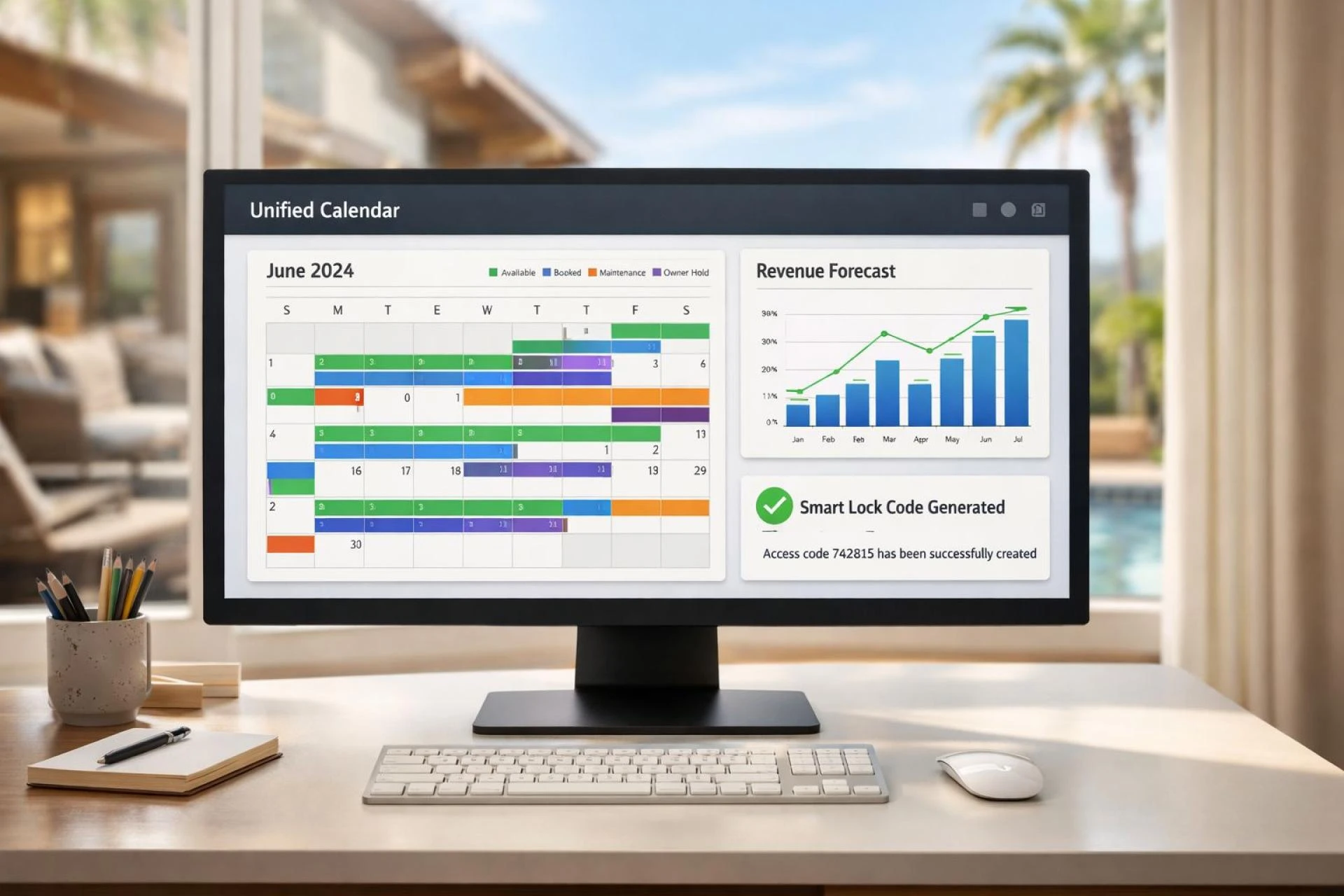
A truly advanced vacation rental script functions as the operational backbone, offering tools that go far beyond simple booking confirmations. Consider the complexity of revenue management; instead of relying on gut feeling or industry averages, property managers can leverage built-in forecasting tools that analyze historical data, seasonal trends, and local events to suggest optimal nightly rates. This predictive capability transforms pricing from a guessing game into a strategic lever, ensuring maximum occupancy and profitability without constant manual oversight.
Similarly, the automation extends into the physical world through smart lock integrations; the script can generate unique, time-sensitive access codes for each guest, automatically distributing them upon booking confirmation and revoking them at checkout. This eliminates the logistical nightmare of key handovers, enhances security, and allows guests to enjoy a seamless, self-service arrival experience that sets a professional tone from the very first moment.
Furthermore, the friction points that often derail smooth operations are systematically addressed through integrated maintenance request tracking. When a guest reports an issue, a manager can log, assign, and monitor the resolution within the same platform used for bookings and communication, ensuring nothing falls through the cracks. This centralized system not only improves response times and guest satisfaction but also builds a valuable historical record for each property, aiding in preventative maintenance and long-term asset management.
Perhaps one of the most critical tools for scaling a business is the multi-calendar sync, a feature that acts as a digital anchor. It aggregates availability from a manager’s own website, Airbnb, VRBO, and any other distribution channel into one unified view, instantly updating all platforms when a booking is made. This eliminates the dreaded double-booking scenario, preserves professional reputation, and frees up countless hours previously spent on manual reconciliation.
Ultimately, the value of this technology lies in its ability to reduce friction at every touchpoint, allowing property managers to shift their focus from administrative tasks to strategic growth and guest experience. By automating the repetitive, time-consuming elements of the job, these advanced tools empower professionals to manage larger, more diverse portfolios with greater efficiency and less stress.
It is this reduction in operational overhead that attracts high-quality property managers who understand that their competitive advantage lies not in the number of hours they work, but in the intelligence of the systems they employ. In this environment, a property manager is no longer just a coordinator of bookings; they become a curator of seamless experiences, a strategic revenue analyst, and a reliable custodian of high-value assets, all orchestrated from a single, elegantly designed dashboard that turns complexity into clarity.




























Sign in to leave a comment.