
In today\'s fast-paced digital world, customer experience reigns supreme. Businesses are constantly seeking innovative ways to engage with their audience, provide seamless support, and personalize interactions. This is where AI chatbots, powered by the magic of machine learning, step into the spotlight.
AI Chatbots: Your Conversational Powerhouse
Imagine a tireless assistant, available 24/7, who can answer customer queries, guide them through purchases, and even troubleshoot issues. That\'s the potential of an AI chatbot. These intelligent programs leverage machine learning to understand natural language, analyze user intent, and generate human-like responses.
The Power of Machine Learning in AI Chatbot Development
While traditional chatbots rely on predefined rules and responses, AI chatbots take it a step further. Machine learning algorithms empower them to learn and adapt over time, constantly improving their conversational abilities. Here\'s how various machine learning techniques fuel the fire of AI chatbot development:
- Natural Language Processing (NLP): The cornerstone of AI chatbots, NLP allows them to break down human language into its core components – words, phrases, and their meaning. Techniques like tokenization, stemming, and lemmatization help identify the intent behind user queries, enabling the chatbot to respond accurately.
- Supervised Learning: This technique involves training the chatbot on vast amounts of labeled data, such as past customer interactions or predefined responses. By analyzing these examples, the chatbot learns to map user input to the appropriate response, enhancing its ability to handle common inquiries.
- Unsupervised Learning: Not all conversations are neatly categorized. Unsupervised learning allows the chatbot to identify patterns and relationships within unlabeled data, such as chat logs or social media interactions. This helps it understand emerging trends and user preferences, leading to more dynamic and personalized interactions.
- Reinforcement Learning: This technique simulates a reward system. As the chatbot interacts with users and receives feedback (positive or negative), it learns to adjust its responses and conversation flow. This continuous learning loop allows the chatbot to become more effective and user-friendly over time.
- Deep Learning: Deep learning algorithms, particularly Recurrent Neural Networks (RNNs) and their advanced variants like Long Short-Term Memory (LSTM) networks, excel at understanding context in conversations. These algorithms can analyze sequential data, allowing the chatbot to remember past interactions and provide more relevant responses.
AI Chat Assistance: Applications Across Industries
The applications of AI chatbots extend far beyond simple customer service. Here are some specific examples of how AI chat assistance is revolutionizing various industries:
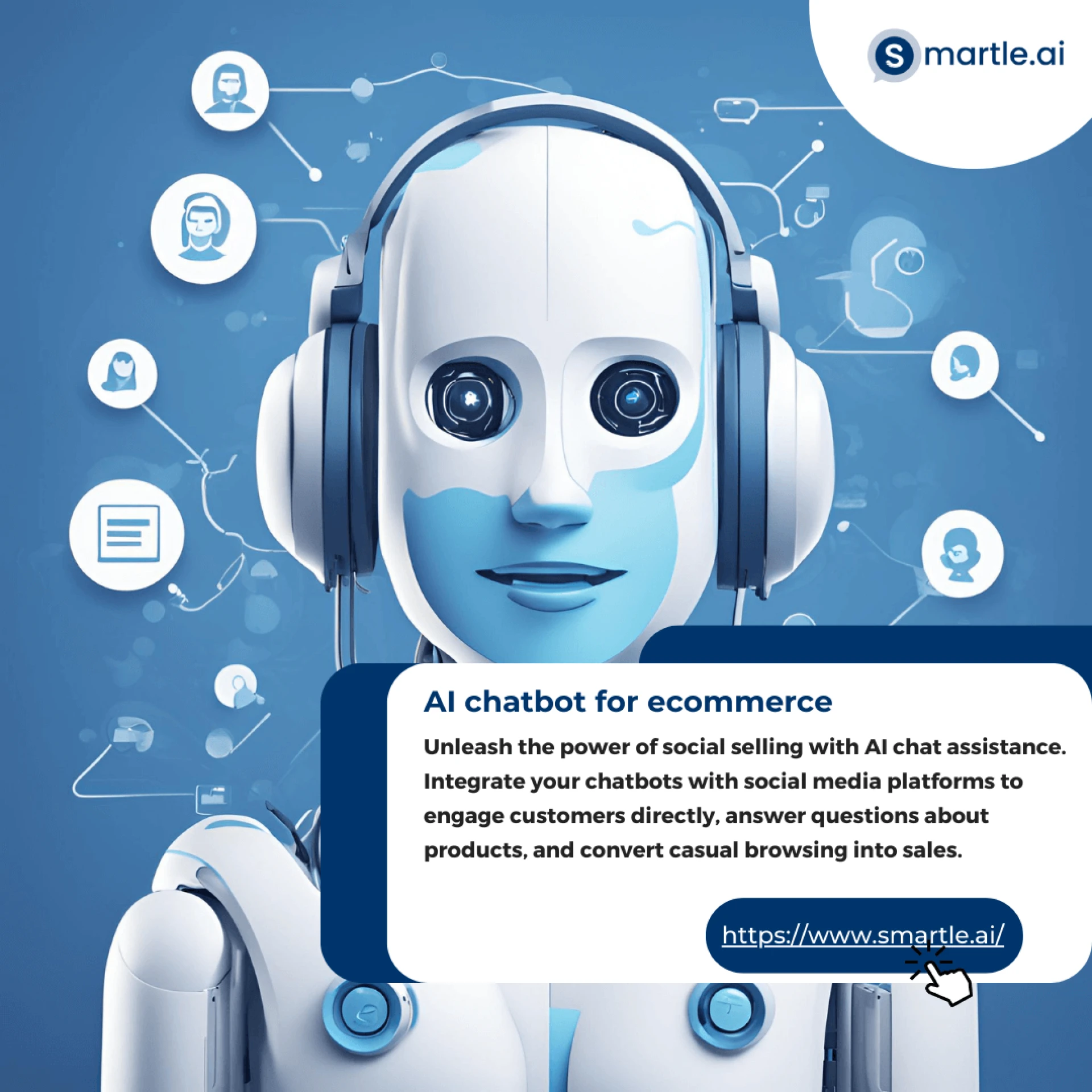
- Ecommerce: AI chatbots on e-commerce websites can guide customers through product searches, answer questions about features and specifications, and even offer personalized recommendations. This can significantly improve the customer journey and boost sales conversions [AI chatbot for ecommerce].
- Healthcare: AI chatbots can be deployed to answer patients\' basic medical questions, schedule appointments, and even provide preliminary symptom checks. This not only frees up healthcare professionals\' time but also empowers patients with readily available information.
- Travel and Hospitality: AI chatbots in the travel industry can assist users with booking flights, hotels, and attractions. They can also provide real-time updates on flight delays, weather conditions, and local events, enhancing the overall travel experience.
- Banking and Finance: AI chatbots can answer customer queries about account balances, transactions, and financial products. They can even assist with simple tasks like bill payments and transfers, making banking more convenient and accessible.
Building Your AI Chatbot: Key Considerations
Developing a successful AI chatbot requires careful planning and consideration. Here are some key factors to keep in mind:
- Define your goals: What problem are you trying to solve with your chatbot? Do you want to improve customer service, provide product information, or generate leads? A clear understanding of your objectives will guide the development process.
- Target your audience: Who are you building the chatbot for? Understanding your target audience\'s demographics, needs, and communication style will help tailor the chatbot\'s responses and ensure a smooth user experience.
- Data is king: Machine learning algorithms thrive on data. Ensure you have a robust dataset of labeled and unlabeled text to train your chatbot effectively. This data could include customer interactions, product descriptions, or industry-specific information.
- Choose the right platform: There are various chatbot development platforms available, each with its own strengths and weaknesses. Consider factors like scalability, ease of integration, and cost when making your choice.
- Prioritize user experience: Your chatbot should be easy to interact with and provide clear, concise answers. Regularly test and refine your chatbot\'s responses based on user feedback to ensure a positive and engaging experience.
The Future of AI Chatbots: A World of Personalized Connections
As machine learning continues to evolve, AI chatbots will become even more sophisticated and versatile. Here\'s a glimpse into what the future holds for AI chatbots:
- Omnichannel Engagement: AI chatbots will seamlessly integrate across different communication channels, be it websites, messaging apps, social media platforms, or even voice assistants. This will allow users to interact with the chatbot on their preferred platform, fostering a more convenient and natural experience.
- Sentiment Analysis and Emotional Intelligence: AI chatbots will become adept at recognizing and responding to user emotions. By analyzing language patterns and tone, they can tailor their responses to offer empathy, encouragement, or even humor depending on the situation. This will create a more human-like connection and enhance user satisfaction.
- Personalization on Steroids: AI chatbots will leverage user data and past interactions to personalize every aspect of the conversation. Imagine a chatbot that remembers your preferences, purchase history, and even your favorite jokes! This level of personalization will foster deeper customer relationships and drive brand loyalty.
- Proactive Assistance: AI chatbots won\'t just wait for users to initiate conversations. They will proactively reach out with relevant information, product recommendations, or appointment reminders based on user data and past interactions. This proactive approach can anticipate customer needs and create a more delightful user experience.
- Integration with Back-End Systems: AI chatbots will connect seamlessly with back-end systems like CRM platforms or inventory management software. This will allow them to handle complex tasks like order processing, appointment scheduling, or product returns directly within the chat interface. This streamlines processes and eliminates the need for users to switch between different applications.
The Ethical Considerations of AI Chatbots
While AI chatbots offer immense potential, it\'s crucial to address ethical considerations. Here are some key points to ponder:
- Transparency and User Trust: Users should be aware that they are interacting with a chatbot, not a human. Transparency builds trust and avoids unrealistic expectations.
- Data Privacy: AI chatbots collect and analyze user data. Ensuring data privacy and security is paramount. Users should have control over their data and be informed about how it\'s being used.
- Bias and Fairness: Machine learning algorithms can perpetuate biases present in the data they are trained on. It\'s critical to mitigate bias and ensure the chatbot\'s responses are fair and unbiased.
Conclusion: Building the Future of Customer Experience
AI chatbots powered by machine learning are transforming the way businesses interact with their customers. These intelligent assistants are not just here to answer simple questions; they are poised to revolutionize customer experience by offering personalized support, proactive assistance, and a seamless conversational flow.
By carefully considering the development process, focusing on user needs, and addressing ethical concerns, businesses can leverage AI chatbots to build stronger customer relationships, drive sales, and establish a competitive edge in the digital age. As AI technology continues to evolve, the possibilities for AI chatbots are truly infinite. They have the potential to become the cornerstone of a future where customer interactions are not just efficient, but also personalized, engaging, and even delightful.

























Sign in to leave a comment.