
Business is moving faster than ever. Customer behavior changes quickly, markets shift overnight, and competitors can appear from anywhere. In 2026, the companies that grow the fastest will not always be the biggest ones. They will be the ones that know how to use data in the right way.
Business analytics is no longer only for large enterprises with big budgets. Even small and medium businesses are now using analytics to improve decisions, reduce waste, and increase profits. The good news is that modern tools are becoming easier to use, more affordable, and more practical.
Let us explore the top business analytics trends in 2026 that can help businesses grow smarter and faster.
Why Business Analytics Matters More in 2026
Data is everywhere. Every website click, customer message, purchase, and delivery update creates valuable information. But data alone is not useful unless it is turned into clear insights.
In 2026, businesses are focusing more on analytics because it helps them answer important questions like:
What are customers really buying and why?
Customers do not always say what they want, but their actions reveal patterns. Analytics helps track those patterns and predict future behavior.
Where is money being wasted?
Many businesses lose money through slow processes, wrong inventory decisions, or weak marketing campaigns. Analytics helps spot these gaps early.
What should we do next?
Analytics supports better planning by showing what is working and what is not.
Top Business Analytics Trends in 2026
1. AI Powered Analytics for Faster Decision Making
Artificial intelligence is changing the way businesses use data. In 2026, AI based analytics tools can quickly study huge amounts of data and highlight what matters most.
Instead of waiting days for reports, businesses can now get real time insights. This helps leaders make decisions faster, especially in sales, marketing, and customer service.
How it boosts growth
AI analytics helps businesses improve pricing, reduce customer loss, and find new sales opportunities.
2. Predictive Analytics Becoming a Standard Tool
Predictive analytics is no longer a luxury. In 2026, it is becoming a normal part of business planning. It helps businesses forecast what may happen based on past and current data.
For example, a retail store can predict which products will sell more during a certain season. A service company can predict which customers might cancel soon.
Key business benefits
Predictive analytics helps reduce risk and improves planning. It also helps businesses stay ahead of competitors.
3. Customer Analytics Focused on Personal Experience
Customers now expect personalized service. They want offers that match their needs, emails that feel relevant, and quick support.
In 2026, customer analytics tools help businesses understand customer journeys better. This includes tracking how customers find your brand, what they do on your website, and what makes them buy or leave.
Why it matters
Better customer experience leads to more repeat purchases, stronger trust, and higher lifetime value.
4. Real Time Dashboards for Daily Business Monitoring
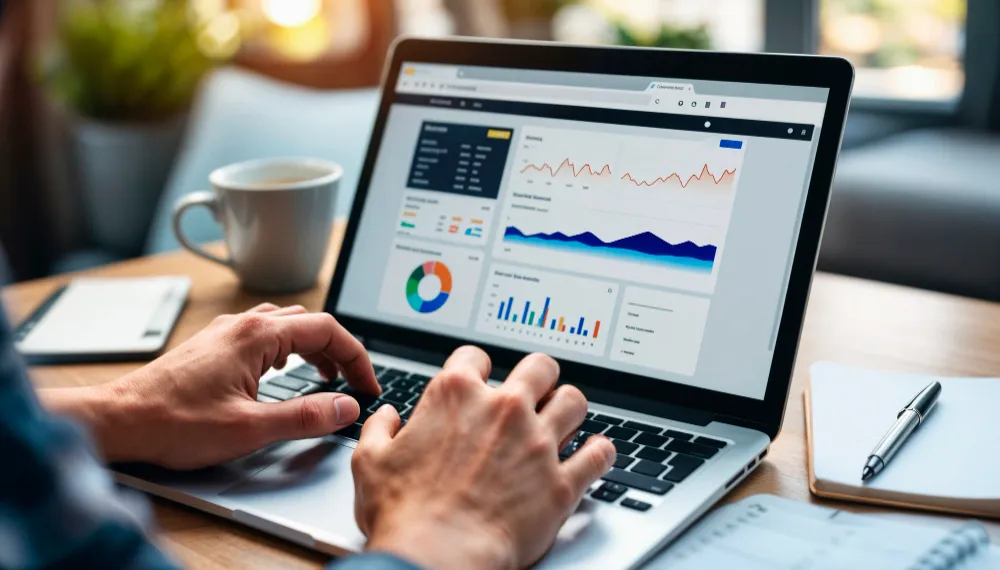
One of the biggest trends in 2026 is real time dashboards. These dashboards show live data updates in a simple format.
Businesses no longer want monthly reports that arrive too late. They want quick visibility into sales, website traffic, inventory, and customer complaints.
How this helps growth
Real time dashboards help teams act quickly. If sales drop suddenly, you can respond immediately. If a campaign is performing well, you can increase spending without delay.
5. Data Automation for Less Manual Work
Many businesses still waste time collecting and organizing data manually. In 2026, automation is reducing this burden.
Analytics tools can now connect with sales systems, accounting tools, customer support platforms, and marketing software. Data flows automatically into one place.
Benefits for business owners
Automation saves time, reduces errors, and allows teams to focus on strategy instead of spreadsheets.
6. Better Data Security and Privacy Analytics
With more data comes more responsibility. Customers are more concerned about privacy than ever. Governments are also introducing stricter rules.
In 2026, businesses are using analytics to track data access, detect suspicious activity, and ensure compliance.
Why this trend is important
Strong data security builds trust. Customers prefer brands that protect their personal information.
7. Self Service Analytics for Non Technical Teams
In the past, analytics required experts. Today, tools are becoming easier for everyone.
In 2026, more businesses are adopting self service analytics. This means marketing teams, HR departments, and sales managers can explore data without needing a data analyst.
How it supports growth
When teams can access insights on their own, decisions become faster. It also reduces delays and improves teamwork.
8. Analytics for Supply Chain and Inventory Planning
Supply chain issues have taught businesses an important lesson. Stock shortages and delivery delays can hurt revenue.
In 2026, analytics is helping companies track inventory levels, forecast demand, and manage suppliers more efficiently.
Growth advantage
Businesses that manage inventory well avoid lost sales and reduce storage costs.
You can also explore: What Modern Businesses Expect from Analytics Platforms in 2026
How to Use These Trends for Business Growth
Knowing the trends is helpful, but applying them is what brings results. Here are a few practical ways to start.
Start with clear business goals
Before using analytics tools, decide what you want to improve. It could be customer retention, sales growth, or cost reduction.
Choose tools that match your business size
Do not invest in complex platforms if your team cannot use them. Pick tools that are simple, scalable, and easy to integrate.
Focus on clean and useful data
Bad data leads to wrong decisions. Make sure your data is updated, accurate, and organized.
Train your team
Even simple analytics tools require basic understanding. Train employees to read dashboards and interpret trends.
Final Thoughts
In 2026, business analytics is not just about reports and numbers. It is about making smarter decisions, improving customer experience, and finding growth opportunities faster.
The biggest advantage comes from using analytics consistently, not occasionally. Businesses that embrace AI insights, predictive planning, automation, and real time monitoring will stay ahead in the market.
If you want growth in 2026, start treating data like a business asset. Because the businesses that understand their data will always understand their customers better.





























Sign in to leave a comment.