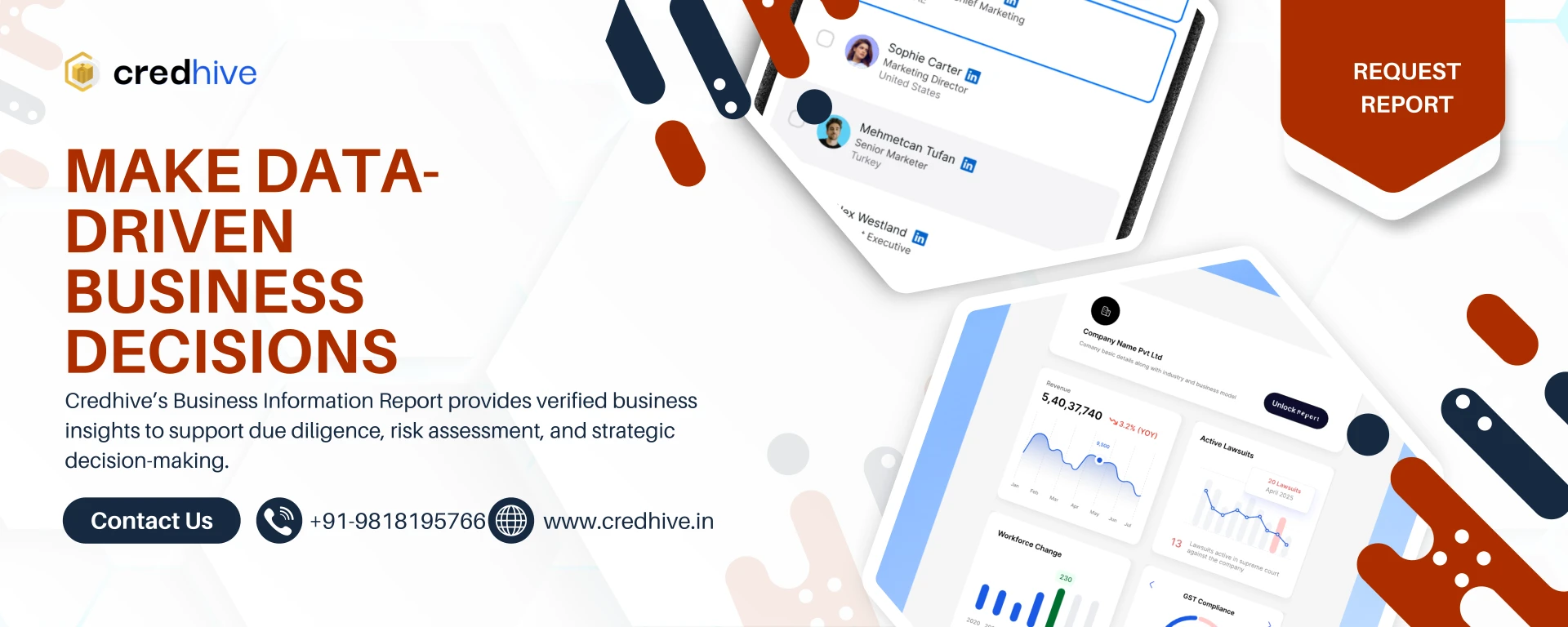

In today’s competitive and data-driven market, businesses rely on accurate information to make informed decisions. One of the most valuable tools for evaluating companies is a business information report. This report provides a detailed overview of a company’s background, financial health, management structure, and operational activities.
A business information report is widely used by businesses, investors, lenders, and professionals to assess the credibility of organizations before entering into partnerships or financial agreements. It helps reduce risks and ensures transparency in business dealings.
This article explains what a business information report is, its key components, and why it is essential for modern businesses.
What Is a Business Information Report?
A business information report is a structured document that compiles important data about a company from multiple reliable sources. It provides a comprehensive view of the company’s legal, financial, and operational status.
The report typically includes:
- Company registration details
- Director and management information
- Financial statements and performance
- Business activities and industry classification
- Compliance and legal records
By analyzing a business information report, stakeholders can evaluate whether a company is trustworthy and capable of fulfilling its commitments.
Why Is a Business Information Report Important?
A business information report plays a crucial role in supporting strategic decision-making and reducing business risks.
Risk Assessment
Before entering into agreements, businesses can use the report to identify potential risks such as financial instability or legal issues.
Business Verification
The report helps confirm whether a company is legally registered and actively operating.
Credit Evaluation
Financial institutions and suppliers rely on business information reports to assess a company’s creditworthiness.
Better Decision-Making
Access to accurate data allows businesses to make informed decisions based on facts rather than assumptions.
Key Components of a Business Information Report
A comprehensive business information report includes several essential sections that provide valuable insights.
Company Profile
This section contains basic company details such as name, registration number, incorporation date, and registered address. It confirms the company’s legal identity.
Director and Management Details
Information about directors and key executives helps evaluate the leadership and decision-making structure of the company.
Financial Information
Financial data such as revenue, profit and loss statements, assets, and liabilities provides insights into the company’s financial stability.
Legal and Compliance Records
This section includes details about regulatory filings, compliance status, and any legal disputes.
Business Activities
Information about the company’s products, services, and industry helps stakeholders understand its operations and market position.
Benefits of Using a Business Information Report
Using a business information report offers several advantages for businesses and professionals.
Improved Decision-Making
Detailed insights help organizations make strategic and informed decisions.
Reduced Risk
Businesses can avoid unreliable partners by analyzing company data.
Enhanced Transparency
Clear and verified information promotes trust between organizations.
Competitive Insights
Companies can analyze competitors and identify market opportunities.
Who Uses Business Information Reports?
A business information report is useful for a wide range of users.
Businesses
Companies use these reports to evaluate suppliers, clients, and partners.
Investors
Investors rely on these reports to assess financial performance and growth potential.
Financial Institutions
Banks and lenders use business information reports to determine creditworthiness.
Professionals
Consultants and analysts use these reports for research and business evaluation.
How to Access a Business Information Report
Businesses can access a business information report through various sources.
Government Databases
Official corporate registries provide verified company data and compliance records.
Business Intelligence Platforms
Modern platforms offer detailed reports with structured company information, making analysis easier.
Company Filings
Annual reports and financial statements provide additional insights into company performance.
Conclusion
A business information report is an essential tool for businesses, investors, and professionals who want to evaluate companies and make informed decisions. By providing detailed insights into company registration, financial performance, management structure, and compliance status, these reports help reduce risks and improve transparency.
In today’s fast-paced business environment, access to accurate and reliable information is critical. Organizations that leverage business information reports can build stronger partnerships, make better financial decisions, and achieve long-term success.



























Sign in to leave a comment.