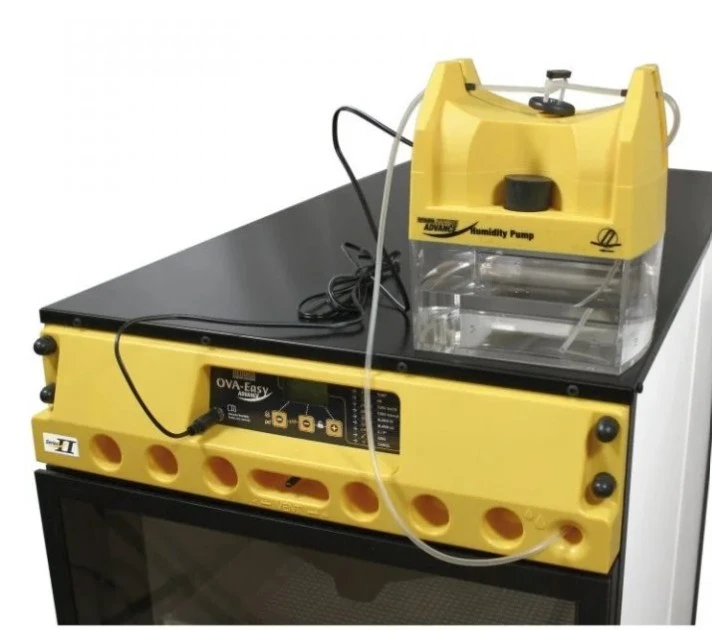

Raising poultry successfully requires more than just dedication; it demands the right environment for your eggs to thrive. For poultry enthusiasts and commercial breeders alike, ensuring optimal conditions during incubation can make the difference between healthy chicks and disappointing hatch rates. One solution that has gained widespread popularity is the Cabinet Incubator. This advanced tool provides a controlled environment, making it easier to manage temperature, humidity, and turning, all critical factors for successful hatching.
Understanding the Role of a Cabinet Incubator
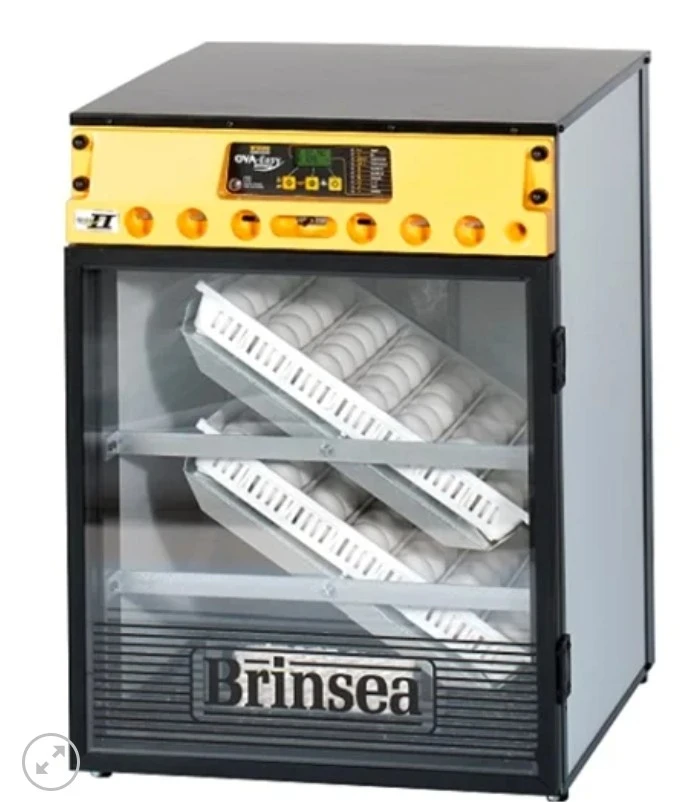
A Cabinet Incubator is essentially a temperature-controlled chamber designed specifically for hatching eggs. Unlike traditional methods, where eggs are incubated manually under a brooding hen or basic trays, this incubator offers precision and consistency. Maintaining a stable temperature is crucial, as fluctuations can impact embryonic development, leading to reduced hatch rates or weaker chicks. Similarly, proper humidity levels ensure that eggs lose moisture at a controlled rate, preventing dehydration or excess water retention.
The consistent environment provided by a Cabinet Incubator allows breeders to focus more on the health and care of their poultry rather than constantly monitoring eggs. This is particularly useful for individuals raising multiple species, as the incubator can often be adjusted to suit the specific needs of different eggs.
Features That Set Cabinet Incubators Apart
When comparing incubators, several features distinguish a high-quality Cabinet Incubator from basic alternatives. These include:
- Temperature Control: Digital thermostats and built-in sensors allow for precise adjustments, which is essential for sensitive eggs like quail or exotic poultry.
- Humidity Regulation: Automatic or manual humidity control systems ensure that eggs maintain the ideal moisture levels throughout the incubation period.
- Automatic Egg Turning: Turning eggs several times a day is critical to prevent the embryo from sticking to the shell. Cabinet incubators automate this process, reducing labor and human error.
- Spacious Design: Most models can accommodate a significant number of eggs, making them ideal for commercial poultry operations.
Investing in these features not only increases the success rate of hatching but also reduces the stress and effort involved in the process.
Importance of Using Quality Poultry Supplies
A Cabinet Incubator is only as effective as the surrounding conditions and tools used in conjunction with it. Integrating quality Poultry Supplies into your setup ensures that the chicks thrive from hatch to maturity. This includes clean water systems, appropriate feed, and bedding materials that promote healthy growth. Breeders who combine incubators with reliable Poultry Supplies often report higher survival rates and more robust chicks.
Using substandard supplies, on the other hand, can negate the benefits of an incubator. Even a well-regulated environment cannot compensate for poor nutrition or unclean living conditions. Therefore, sourcing high-quality equipment and feed is crucial for sustainable poultry farming.
Tips for Optimal Use of a Cabinet Incubator
While modern Cabinet Incubators are designed to be user-friendly, understanding best practices ensures maximum efficiency:
- Pre-warm the Incubator: Allow the incubator to reach the desired temperature before placing eggs inside. This prevents early-stage stress on the embryos.
- Monitor Humidity Levels Regularly: Even with automated systems, occasional checks ensure that the environment remains consistent.
- Keep a Hatch Calendar: Track each batch’s incubation period and expected hatch date to maintain organization and plan for post-hatch care.
- Avoid Frequent Disturbances: Constantly opening the incubator can cause temperature and humidity fluctuations, impacting the development of the embryos.
By adhering to these simple yet effective strategies, poultry breeders can make the most out of their investment and achieve reliable hatching results.
Advantages for Commercial and Hobby Breeders
Both commercial and hobby breeders benefit from using a Cabinet Incubator. For large-scale operations, these incubators reduce labor costs and improve predictability in hatch schedules, which is crucial for supply chain management. For smaller-scale or hobby breeders, they offer peace of mind and higher success rates without the need for constant manual oversight. Additionally, modern incubators often come with safety features such as alarms for temperature or humidity deviations, further protecting valuable eggs.
Choosing the Right Cabinet Incubator
Selecting the ideal incubator involves considering the number of eggs you intend to hatch, the species of poultry, and the available space. Key factors include:
- Capacity: Ensure the incubator can accommodate your typical batch size.
- Automation Level: Decide whether you need fully automated egg turning and humidity controls or prefer a more hands-on approach.
- Durability: Look for units made with sturdy materials to ensure long-term use.
By aligning your choice with your specific needs, you maximize both efficiency and hatching success.
Conclusion
A Cabinet Incubator offers a reliable and controlled environment that is essential for the successful hatching of eggs. When paired with high-quality Poultry Supplies, it becomes a cornerstone of effective poultry management, whether for commercial production or hobby breeding. By understanding its features, implementing best practices, and choosing the right model, breeders can enjoy higher hatch rates, healthier chicks, and a more streamlined incubation process. Investing time and effort into the right equipment ultimately pays off with thriving poultry and improved productivity.


























Sign in to leave a comment.