

Are you tired of the same old gym routines, dumbbells, and treadmills? Do you want to challenge your body in new and exciting ways? If so, calisthenics might be the perfect fit for you. Calisthenics, often referred to as "bodyweight fitness," is a workout approach that relies on using your own body weight for resistance and strength training. In this comprehensive guide, we will explore the world of calisthenics, from the basics to advanced techniques, and help you embark on your journey to a fitter, healthier you.
Table of Contents
What is Calisthenics?The Benefits of CalisthenicsGetting Started3.1 Setting Clear Goals3.2 Creating a Routine3.3 Warming Up and Cooling DownEssential Calisthenics Exercises4.1 Push-Ups4.2 Pull-Ups4.3 Squats4.4 PlanksProgression and Overcoming Plateaus5.1 Increasing Repetitions5.2 Variations and Advanced MovesNutrition and CalisthenicsRecovery and RestCommon Mistakes to AvoidConclusion1. What is Calisthenics?
Calisthenics is a form of strength training that relies on bodyweight exercises to build muscle, improve flexibility, and enhance overall fitness. Unlike traditional weightlifting, which uses external weights, calisthenics focuses on using your own body as resistance. This makes it accessible to almost anyone, as it requires minimal equipment and can be done anywhere.
2. The Benefits of Calisthenics
Calisthenics offers a wide range of benefits that make it an attractive fitness option for beginners and experienced athletes alike. Some of the key advantages include:
No Gym Required: Calisthenics can be done in the comfort of your home, at a park, or even during travel. You don't need access to a gym or expensive equipment.
Improved Functional Strength: Calisthenics exercises mimic real-life movements, enhancing your functional strength and making everyday tasks easier.
Enhanced Flexibility: Many calisthenics exercises require a full range of motion, which can improve your flexibility and joint mobility.
Balanced Muscle Development: Calisthenics helps build a balanced, aesthetically pleasing physique by targeting various muscle groups.
Weight Management: Regular calisthenics workouts can help with weight loss and management, as they burn calories and boost metabolism.
Mental Toughness: Achieving new calisthenics milestones can boost your self-confidence and mental resilience.
Injury Prevention: The focus on bodyweight exercises reduces the risk of injuries associated with heavy weights and improper lifting techniques.
Variety and Fun: Calisthenics offers a wide range of exercises and progressions, keeping your workouts exciting and engaging.
3. Getting Started
Before you dive into calisthenics, it's essential to establish a strong foundation and set clear goals. Here are the initial steps to help you get started on your calisthenics journey:
3.1 Setting Clear Goals
Your fitness journey should begin with a well-defined goal. Whether it's to build muscle, lose weight, improve mobility, or simply stay active, having a clear objective will help you stay motivated and track your progress.
3.2 Creating a Routine
Consistency is key in calisthenics. Create a workout routine that fits your schedule and goals. A basic routine might consist of three days of exercise per week, focusing on different muscle groups each day. Make sure to include rest days in your plan for recovery.
3.3 Warming Up and Cooling Down
Warming up is crucial to prevent injuries. Spend 5-10 minutes doing light cardio or dynamic stretches to prepare your muscles. After your workout, cool down with static stretches to enhance flexibility and reduce muscle soreness.
4. Essential Calisthenics Exercises
Calisthenics offers a wide array of exercises, but every beginner should start with the fundamentals. Here are four essential exercises to include in your routine:
4.1 Push-Ups
Push-ups are a classic bodyweight exercise that targets the chest, shoulders, triceps, and core. To perform a push-up:
Start in a plank position with your hands slightly wider than shoulder-width apart.Lower your body by bending your elbows while keeping your body in a straight line.Push back up to the starting position.Begin with standard push-ups and gradually progress to more challenging variations like diamond push-ups or one-arm push-ups.
4.2 Pull-Ups
Pull-ups are excellent for developing upper body strength, particularly the back and biceps. To perform a pull-up:
Find a horizontal bar or sturdy surface.Grip the bar with your palms facing away from you and hands shoulder-width apart.Hang from the bar with your arms fully extended.Pull your body up until your chin passes the bar, then lower yourself back down.Pull-ups can be challenging for beginners, so consider using resistance bands or an assisted pull-up machine until you build the required strength.
4.3 Squats
Squats are a fundamental lower body exercise that targets the quadriceps, hamstrings, and glutes. To perform a squat:
Stand with your feet shoulder-width apart.Lower your body by bending your knees and hips, keeping your back straight.Squat down until your thighs are parallel to the ground.Push through your heels to return to the standing position.Squats can be done with various modifications and progressions, such as pistol squats or jump squats.
4.4 Planks
Planks are exceptional for core strength and stability. To perform a plank:
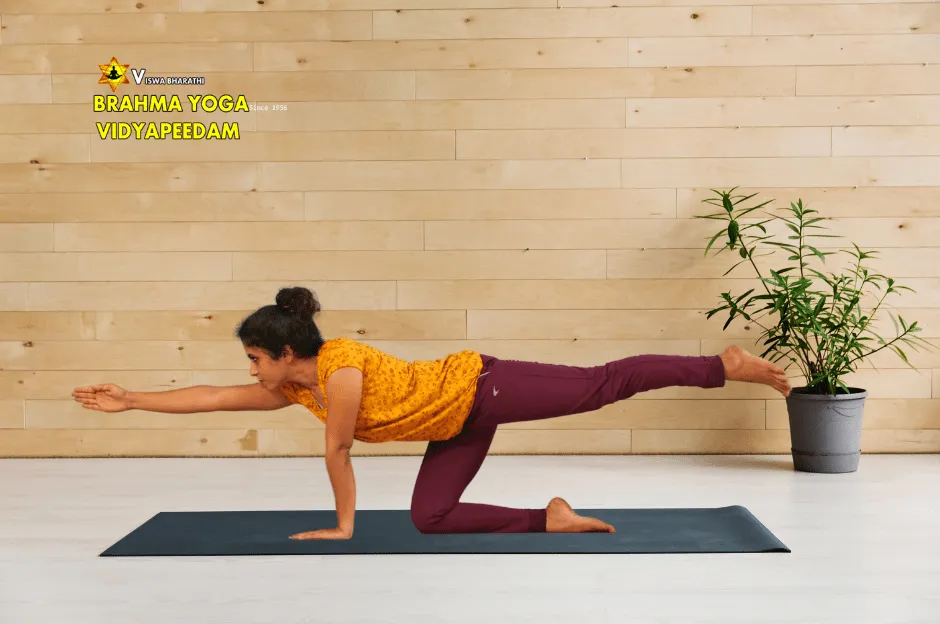
Lie face down on the ground.Support your body with your forearms and toes.Keep your body in a straight line from head to heels, engaging your core muscles.Hold this position for as long as you can, aiming to increase your time with each workout.Planks can be modified by raising one leg or arm for added difficulty.
5. Progression and Overcoming Plateaus
As you become comfortable with the basics, it's essential to challenge yourself to prevent plateaus and continue making progress. Here are some tips for progression:
5.1 Increasing Repetitions
One way to progress is by increasing the number of repetitions you perform for each exercise. For example, if you start with 10 push-ups, aim to gradually increase the count to 15 or 20 over time. This progressive overload helps build strength and muscle.
5.2 Variations and Advanced Moves
Calisthenics offers numerous advanced exercises and variations to keep your workouts exciting and challenging. For example, you can progress from standard push-ups to one-arm push-ups or from regular squats to pistol squats. Incorporate these advanced moves as you become more confident and stronger.
6. Nutrition and Calisthenics
Proper nutrition is a crucial component of any fitness journey, including calisthenics. To maximize your results, focus on a balanced diet that includes:
Lean Proteins: Essential for muscle recovery and growth. Include sources like chicken, fish, lean beef, and plant-based options like tofu and legumes.
Complex Carbohydrates: Provide energy for your workouts. Opt for whole grains, fruits, and vegetables.
Healthy Fats: Support overall health. Include sources like avocados, nuts, and olive oil.
Hydration: Staying hydrated is essential for optimal performance and recovery.
Micronutrients: Ensure you get a variety of vitamins and minerals from fruits and vegetables to support your overall health.
7. Recovery and Rest
Recovery is just as important as your workouts. Make sure to get enough sleep to allow your muscles to repair and grow. Additionally, consider incorporating activities like yoga or foam rolling to enhance flexibility and reduce muscle soreness.
8. Common Mistakes to Avoid
While calisthenics is a fantastic form of exercise, beginners can make some common mistakes. Here are a few to watch out for:
Neglecting Form: Proper form is essential for preventing injuries and achieving the best results. Focus on maintaining correct posture and technique during each exercise.
Skipping Warm-Up and Cool-Down: Failing to warm up and cool down can lead to muscle strains and injuries. Allocate time for these crucial steps in your routine.
Neglecting Progression: Many beginners stick to the same exercises and repetitions, hindering their progress. Don't be afraid to challenge yourself with new exercises and increased repetitions.
Not Resting Enough: Overtraining can lead to burnout and injuries. Allow your body time to recover between workouts.
9. Conclusion
Calisthenics is a versatile and effective way to achieve your fitness goals without the need for a gym membership or expensive equipment. Whether you're a beginner looking to improve your overall health or an experienced athlete aiming to enhance your strength and flexibility, calisthenics can be tailored to your needs. Remember, consistency, proper nutrition, and gradual progression are the keys to success in this exciting fitness journey. So, start today, and enjoy the benefits of calisthenics as you build a stronger, healthier body, one bodyweight exercise at a time.


























Sign in to leave a comment.