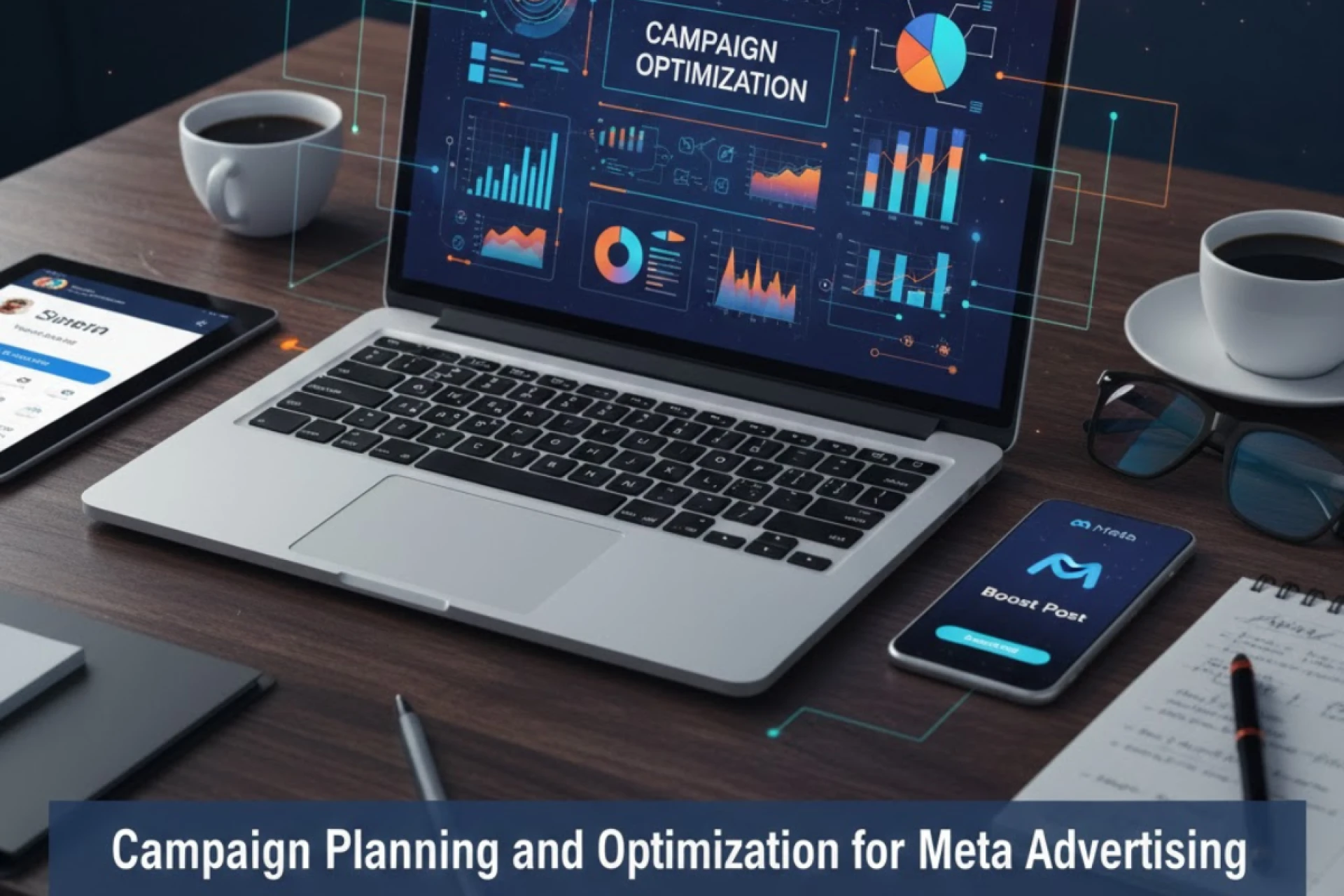

We have spent enough late nights staring at Meta Ads dashboards to know one thing—campaign planning here is not tidy. It never really is. There’s data flying everywhere, creatives behaving oddly, audiences reacting in ways that feel almost personal. Some days a campaign clicks instantly. Other days it sulks. That’s why our approach to meta ads management services is grounded in reality—we work with that chaos, not against it.
Campaign planning for Meta advertising starts well before any budget gets approved. We usually begin with intent. Not lofty mission statements. Actual intent. What action matters right now? A sign-up. A sale. A conversation. Without that clarity, performance slides quietly, and no one notices until spend piles up.
Somewhere in the middle of this early thinking, we often see brands reach out for meta ads management services because internal teams feel stretched. That makes sense. Meta’s ad system keeps changing, and pretending otherwise just slows things down.
Understanding Account Structure Without Overthinking It
We prefer clean account structures. Not fancy. Not stuffed with naming conventions nobody remembers. One campaign per goal. Ad sets split by audience logic that actually exists in real life. Ads that differ for a reason.
Too many accounts collapse under their own weight. Ten campaigns chasing the same outcome. Audiences overlapping like messy Venn diagrams. Results blur. Learning stalls.
We keep things readable. If someone opens the account six months later, they should understand what we were trying to do. That rule alone saves money. It also saves arguments.
Audience Planning That Feels Human
Audiences aren’t spreadsheets. They’re people scrolling in grocery lines, on couches, half-asleep. We plan with that picture in mind.
Cold audiences need space. They don’t know us. They don’t owe attention. We approach them gently. Broad targeting still works here, even now. Interest stacks still have a place, though they need restraint.
Warm audiences behave differently. They recognize the brand. They pause longer. Messaging can be more direct. Retargeting windows matter. Seven days feels very different from thirty. We test those gaps quietly and watch behavior shift.
Lookalikes still pull weight, though quality depends heavily on source events. A lookalike built from rushed traffic rarely holds. A lookalike from high-intent actions? That’s where things get interesting.
Budget Allocation That Matches Reality
We don’t spread budget evenly. That sounds fair but performs poorly. Some audiences deserve more room. Others need limits.
Early campaigns get modest spend. Enough to learn. Enough to fail safely. Once signals stabilize, budget increases follow patterns, not emotions. Sudden spikes still break delivery. We’ve seen it too often.
Daily budgets feel safer than lifetime ones in most cases. Control matters when variables keep shifting. We stay close to spend behavior, especially during the first two weeks.
Creative Planning Without Perfection Pressure
Creative work carries most of the weight in Meta advertising. We treat it like a living thing.
We don’t chase perfection. We chase honesty. Ads that feel slightly imperfect often outperform polished ones. A phone-shot video. A real voice. A pause that wasn’t edited out.
We plan creative batches. Static images. Short videos. Longer ones that ramble a bit. Hooks change fast. Formats fatigue. Rotation keeps delivery healthy.
Captions matter, though not in the way people think. Clear first lines help. Overwriting hurts. We let some ads breathe. White space is allowed. Silence too.
Copy That Sounds Like Someone Meant It
Ad copy should sound like a person talking, not a brand presenting. We write like that on purpose.
We avoid shouting. We avoid promises that feel thin. We say what’s true. Sometimes that honesty lowers clicks slightly. It raises conversion quality. We’ll take that trade.
Calls to action stay simple. One action. One direction. Confusion costs money fast.
Tracking Setup That Doesn’t Lie
Meta tracking still works, though it requires care. Pixel events need regular checks. Conversion APIs help stabilize data. We watch discrepancies closely.
We don’t chase perfect attribution. We watch trends. Direction matters more than precision. A rising pattern tells a clearer story than exact numbers.
Offline data uploads help certain industries. Lead quality feedback loops sharpen targeting over time. That part often gets skipped. It shouldn’t.
Reading Performance Without Panic
Not every dip needs action. Some days wobble. We’ve learned to wait.
We read metrics in context. CTR alone misleads. CPC lies sometimes. Conversion volume paired with cost per result tells a fuller story. Frequency whispers when creative fatigue starts creeping in.
We check comments too. Real feedback lives there. Ads get reactions before dashboards show problems.
Scaling Campaigns Without Breaking Them
Scaling is delicate. We move slowly. Budget increases stay incremental. Audience expansions happen after creative refreshes, not before.
Horizontal scaling works better than vertical in many cases. New ad sets. New angles. Same goal. That keeps learning stable.
We resist copying winners endlessly. What worked once usually fades when forced.
Ongoing Refinement as a Habit
Campaign planning doesn’t end at launch. It turns into a rhythm.
Weekly reviews. Creative swaps. Audience trims. Small changes compound. Big changes reset learning. We choose carefully.
We document patterns. What failed. What surprised us. Those notes guide future campaigns more than templates ever could.
Why Structured Planning Still Wins on Meta
Meta advertising rewards clarity. Clear goals. Clear audiences. Clear creative intent. Platforms change. Human behavior shifts. Fundamentals remain steady.
We plan campaigns with patience. We allow room for data to speak. We listen. Sometimes we doubt ourselves. That’s part of the work.
Results follow when planning respects both numbers and people. That balance keeps accounts healthy over time.





















Sign in to leave a comment.