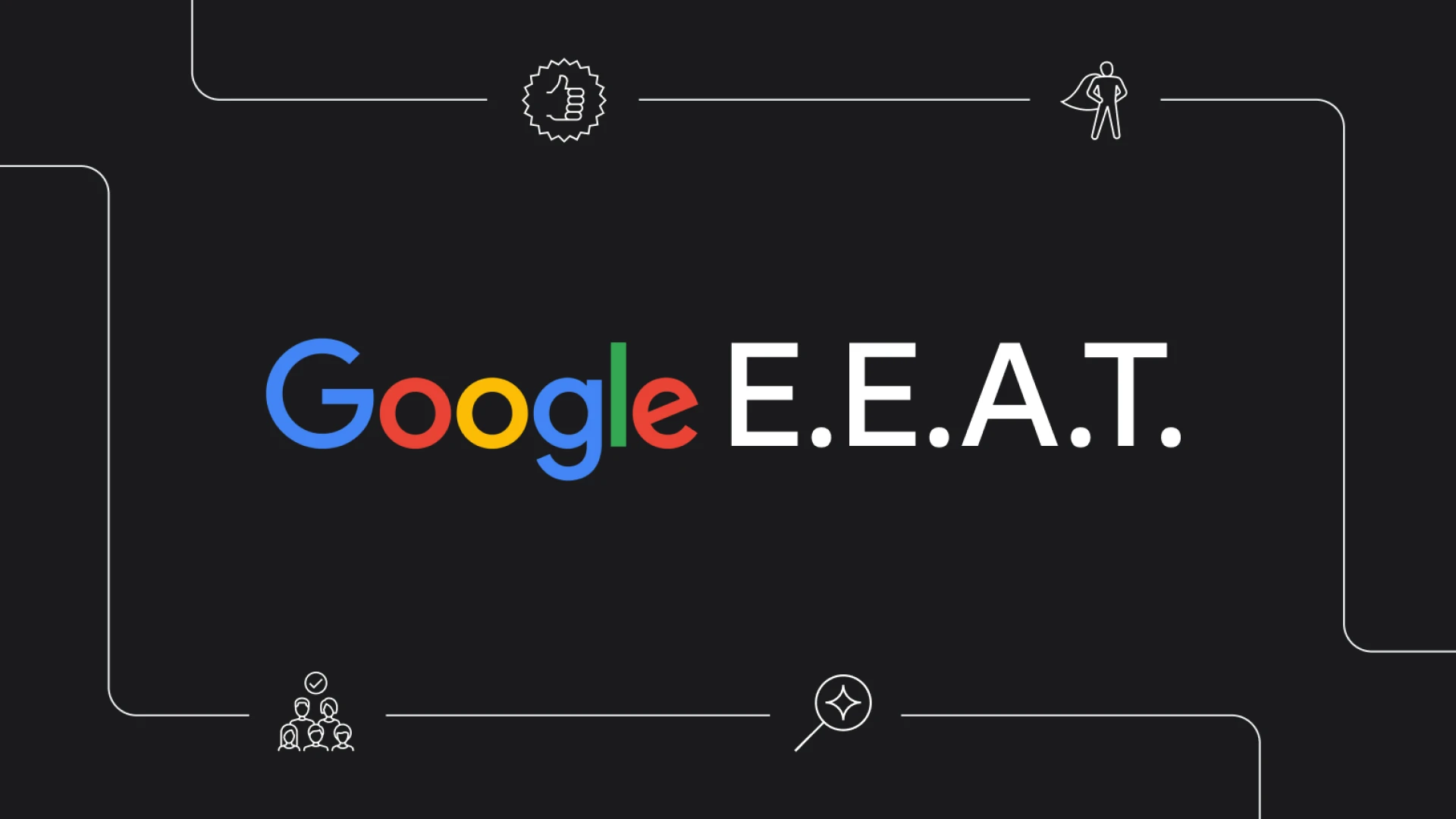

Search rankings in 2026 are no longer driven by keywords or backlinks. Google and AI-powered search engines are now focused on one critical factor that is trust.
This is where E-E-A-T—Experience, Expertise, Authoritativeness, and Trustworthiness—plays a decisive role.
As AI search, voice assistants, and answer engines grow, content that lacks credibility simply won’t surface. This guide explains what E-E-A-T means in 2026, why it matters more than ever, and how businesses can build real trust signals for both Google and AI search systems.
Why E-E-A-T Matters More in 2026
Search behavior has changed dramatically.
Today’s users:
- Ask complex, conversational questions
- Expect accurate, real-world answers
- Rely on AI summaries and voice results
- Trust brands that demonstrate authenticity
Search engines now act as gatekeepers of credibility, especially in industries like healthcare, finance, legal, and business services.
In 2026, ranking well means proving that your content comes from real experience, real expertise, and real authority.
What Is E-E-A-T? (Updated for 2026)
E-E-A-T stands for:
- Experience – First-hand knowledge or real usage
- Expertise – Subject-matter competence
- Authoritativeness – Recognition by others
- Trustworthiness – Accuracy, transparency, and reliability
Google added the extra “E” (Experience) to emphasize something critical:
content written by people who’ve actually done the thing performs better than theoretical content.
AI search engines follow the same logic.
1. Experience: Prove You’ve Actually Done It
Experience is now the strongest E-E-A-T signal.
What Google & AI Look For:
- Real examples and case studies
- First-hand insights, not generic advice
- Demonstrated outcomes and lessons learned
How to Build Experience Signals:
- Share real business use cases
- Include screenshots, data, or processes
- Write from a “we’ve done this” perspective
Content created from experience is harder for AI-generated spam to fake—which is why it ranks better.
2. Expertise: Go Beyond Surface-Level Content
Expertise isn’t about sounding smart—it’s about depth and accuracy.
Strong Expertise Signals:
- Clear explanations of complex topics
- Logical structure and reasoning
- Consistent topical coverage
How to Show Expertise in 2026:
- Create topic clusters instead of isolated blogs
- Answer advanced follow-up questions
- Update content regularly with new insights
AI search engines favor content that anticipates user questions, not just answers one keyword.
3. Authoritativeness: Be Recognized, Not Just Present
Authority comes from external validation.
What Builds Authority:
- Mentions from reputable websites
- Quality backlinks
- Brand searches and recognition
- Thought leadership content
How to Build Authority:
- Publish in-depth guides others reference
- Earn links naturally through value
- Maintain consistent branding across platforms
Authority tells search engines: “Others trust this source, so we can too.”
4. Trustworthiness: The Foundation of Rankings
Trust is non-negotiable in 2026.
Trust Signals Search Engines Evaluate:
- Clear author information
- Transparent business details
- Accurate, up-to-date content
- Secure website (HTTPS)
Practical Trust Builders:
- About, Contact, and Policy pages
- Real team profiles
- Honest claims (no exaggeration)
- Consistent facts across platforms
AI systems are designed to avoid misinformation—trust gaps reduce visibility instantly.
How AI Search Engines Evaluate E-E-A-T
AI search doesn’t just read content—it analyzes credibility patterns.
AI looks at:
- Who wrote the content
- Whether it aligns with other trusted sources
- If the brand is consistently reliable
- How users interact with the content
This means E-E-A-T is no longer page-level only—it’s brand-level.
E-E-A-T by Industry (Why Some Niches Matter More)
High-Sensitivity (YMYL) Industries:
- Healthcare
- Finance
- Legal
- Insurance
- Education
In these sectors, weak E-E-A-T = no rankings, regardless of SEO tactics.
Business & Marketing Sites:
Still require strong E-E-A-T, especially when offering advice that impacts revenue or strategy.
How Businesses Can Improve E-E-A-T in 2026
1. Show Real Authors
Use real names, bios, credentials, and experience—not anonymous content.
2. Build Content Around Real Problems
Focus on helping users make decisions, not just ranking.
3. Keep Content Fresh
Outdated content weakens trust—even if it once ranked well.
4. Strengthen Brand Signals
Consistency across website, social media, reviews, and mentions matters.
How Adsagenz Helps Build E-E-A-T
Adsagenz helps businesses strengthen search trust signals through:
- Experience-driven content strategies
- Authority-focused SEO planning
- AEO-optimized content for AI search
- Brand credibility and trust audits
The goal isn’t just rankings—it’s long-term visibility and trust.
Conversion-Focused CTAs
- Get an E-E-A-T & Trust Audit
- Improve Your Google & AI Search Visibility
- Book a Free Content Authority Consultation
- Build a Trust-First SEO Strategy
FAQs
1. What does E-E-A-T mean in SEO?
E-E-A-T stands for Experience, Expertise, Authoritativeness, and Trustworthiness. It’s how Google and AI search engines evaluate whether content comes from a credible, reliable source worth ranking.
2. Is E-E-A-T a ranking factor in 2026?
E-E-A-T itself isn’t a single ranking factor, but it strongly influences rankings through content quality, trust signals, and authority. In 2026, it plays a major role in AI-driven search results.
3. How does E-E-A-T affect AI search engines?
AI search engines prioritize sources that demonstrate real experience, consistency, and credibility. Content without strong E-E-A-T signals is less likely to appear in AI answers or summaries.
4. Can small businesses compete on E-E-A-T?
Yes. Small businesses can win by showcasing real experience, niche expertise, authentic content, and transparency. You don’t need to be big—you need to be trustworthy and useful.
5. How long does it take to build E-E-A-T?
E-E-A-T builds over time. Some improvements show results within months, but strong authority and trust usually develop through consistent, high-quality content and brand signals.
Final CTA
Want to future-proof your SEO for Google and AI search engines?
Book a free E-E-A-T strategy call with Adsagenz and start building real search trust.























Sign in to leave a comment.