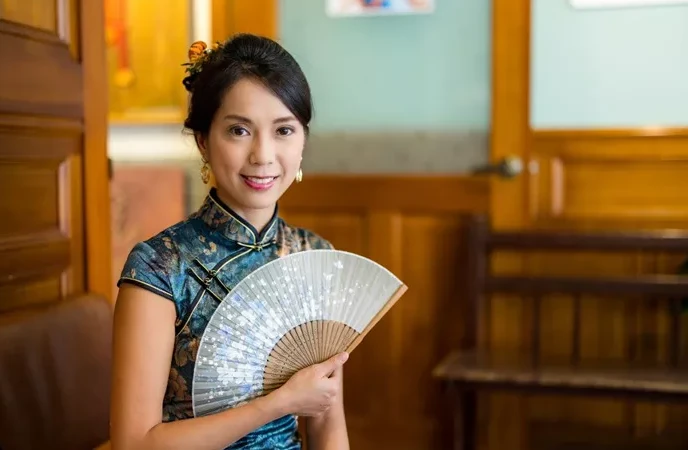

The qipao, also known as cheongsam, is one of the most iconic traditional Chinese dresses. It originated in the 1920s in Shanghai and quickly became a symbol of Chinese elegance, culture, and fashion. The qipao is characterized by its high collar, form-fitting silhouette, and intricate designs. Over the years, it has evolved from a simple daily wear garment to a sophisticated dress worn for special occasions.
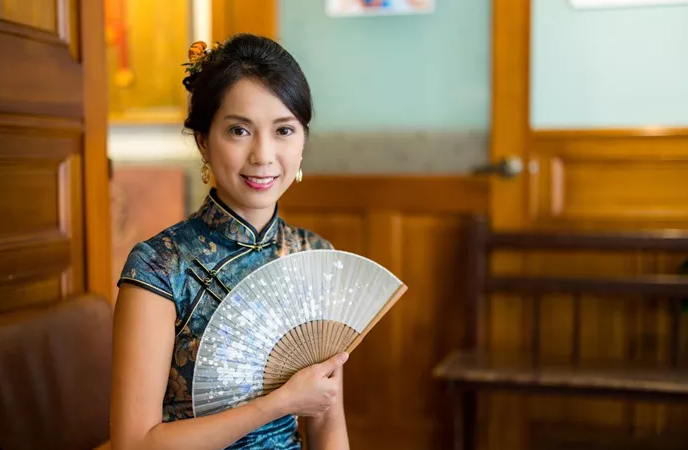
The qipao has not only a long history but also deep cultural significance. It represents Chinese craftsmanship, aesthetics, and a unique cultural identity. Today, it is often worn at weddings, festivals, formal events, and sometimes as fashion statements in modern cities around the world.
History of the Qipao
Origins in the Qing Dynasty
The qipao has its roots in the Qing Dynasty (1644–1912). During this period, the Manchu people wore a long robe called “changpao.” This garment was practical, loose-fitting, and often adorned with embroidery. Although the changpao was originally worn by men and women of the Manchu ethnic group, it gradually influenced Han Chinese clothing styles.
Modernization in the 1920s Shanghai
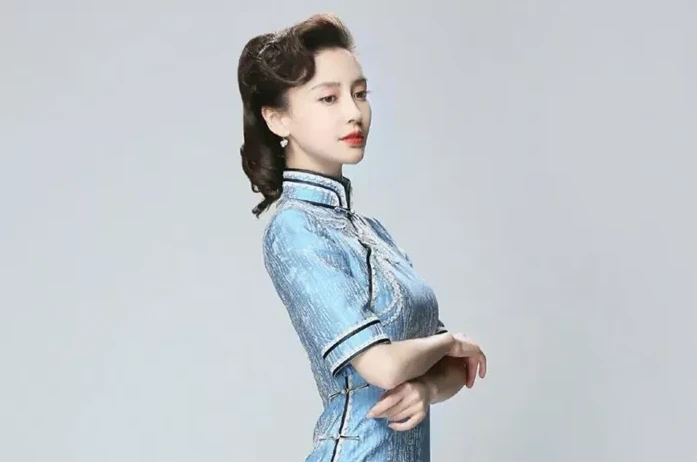
In the 1920s and 1930s, Shanghai became the fashion center of China. Women began to adapt the traditional changpao to create a more fitted and stylish dress that highlighted the female form. This adaptation is what we now know as the modern qipao. Silk, satin, and other luxurious fabrics became popular, often embroidered with flowers, birds, or abstract patterns. This period established the qipao as both a fashion statement and a cultural symbol.
The Qipao in Contemporary Culture
After the 1940s, the qipao became less common in everyday life due to political and social changes in China. However, it continued to be a popular choice for formal events and traditional celebrations. Today, the qipao is celebrated not only in China but around the world. Fashion designers incorporate modern cuts, fabrics, and patterns to make the qipao accessible and appealing to a global audience.
Cultural Significance of Wearing a Qipao
Symbol of Elegance and Femininity
The qipao emphasizes the wearer’s posture, grace, and elegance. It is designed to flatter the body while maintaining a sense of modesty. Traditionally, wearing a qipao conveys sophistication and cultural awareness. It is more than just a dress; it is a representation of cultural heritage.
Connection to Chinese Heritage
Wearing a qipao can be seen as a form of respect for Chinese history and culture. For Chinese people, the qipao evokes nostalgia for early 20th-century Shanghai, when women’s fashion became a blend of modernity and tradition. For non-Chinese individuals, wearing a qipao can also signify appreciation for Chinese art, craftsmanship, and history.
Can Non-Chinese People Wear a Qipao?
Understanding Cultural Appreciation
Yes, non-Chinese people can wear a qipao, but it is important to approach it with respect and cultural awareness. The qipao is a culturally significant garment. Wearing it without understanding its meaning or history may unintentionally appear disrespectful. Cultural appreciation involves learning about the origins, traditions, and symbolism of the qipao before wearing it publicly.
Occasions Where Non-Chinese Individuals Can Wear a Qipao
Non-Chinese people often wear qipao at formal events, weddings, cultural festivals, or photo shoots. These occasions provide opportunities to celebrate Chinese culture in an appropriate context. For example, wearing a qipao to attend a Lunar New Year celebration or a Chinese-themed event can demonstrate respect and cultural interest.
Common Misconceptions
Some people may worry about cultural appropriation. Wearing a qipao respectfully is generally considered acceptable, as long as it is not used to mock or stereotype Chinese culture. It is important to avoid pairing the qipao with caricatured accessories or using it as a costume for casual, insensitive purposes.
How to Wear a Qipao Respectfully
Choose the Right Fit and Style
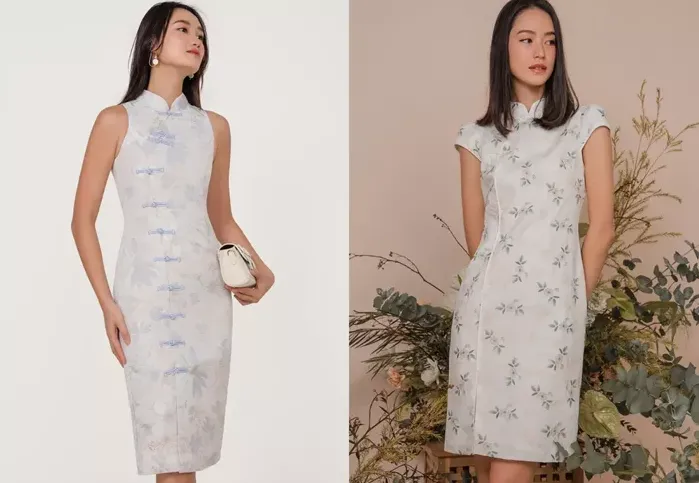
The traditional qipao is fitted and may include side slits, a high collar, and intricate embroidery. Non-Chinese wearers should choose a qipao that respects the original design. Avoid overly sexualized or exaggerated versions that distort the garment’s traditional elegance.
Learn About Traditional Patterns and Colors
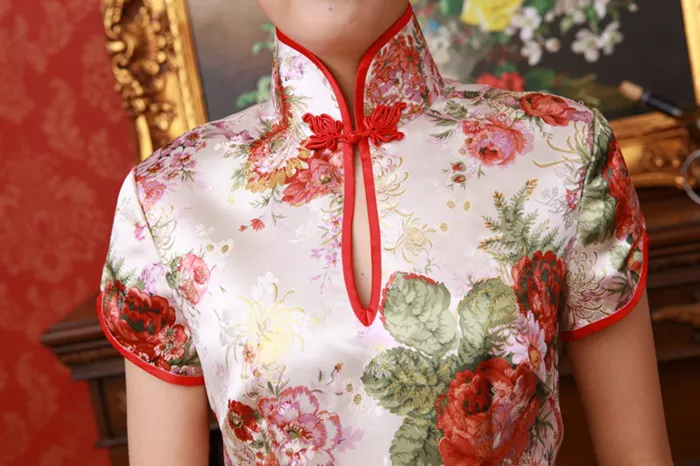
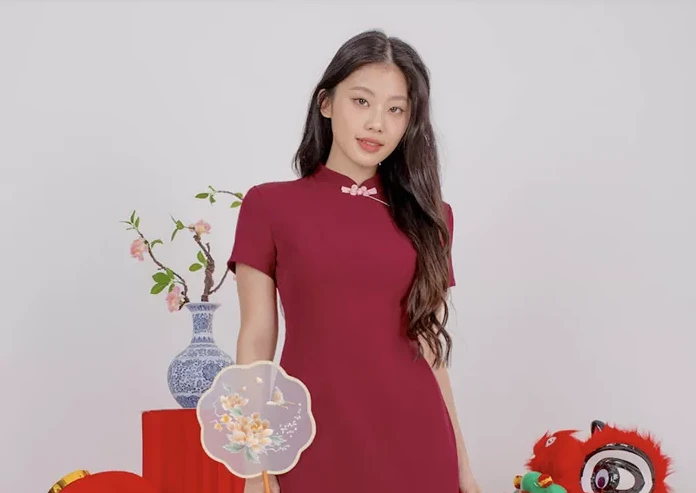
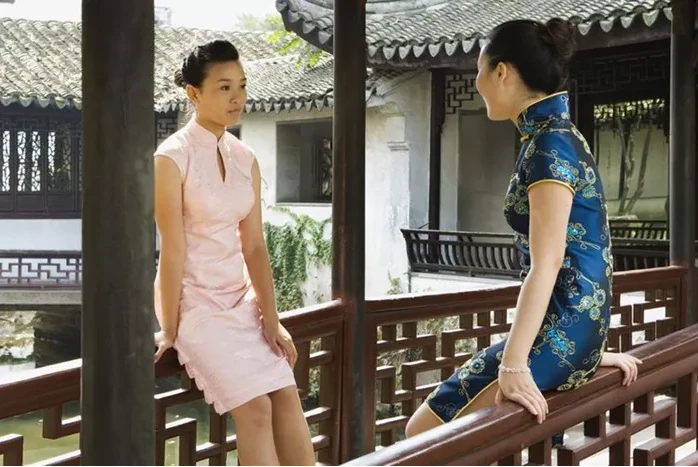
The patterns and colors of a qipao have cultural significance. Red symbolizes luck and happiness, often worn at weddings. Gold represents wealth and prosperity. Floral patterns may represent different virtues or seasons. Non-Chinese wearers should choose colors and designs appropriate for the occasion and understand their meaning.
Combine with Respectful Accessories
Accessories should complement the qipao rather than detract from it. Simple jewelry, traditional shoes, and minimalistic hairstyles are suitable. Avoid combining the qipao with items that trivialize or mock Chinese culture, such as exaggerated hairpieces or costume props.
Learning the History and Craftsmanship
Understanding the Fabric and Techniques
Traditional qipao are often made from silk, satin, or brocade. The fabric may feature intricate embroidery or weaving techniques that require expert craftsmanship. Appreciating these details allows wearers to understand the cultural and artistic value of the garment. Non-Chinese wearers can seek guidance from reliable sources or artisans when choosing authentic qipao.
Respecting the Tailoring and Fit
The cut and fit of a qipao are essential to its elegance. Traditional qipao highlight the body’s natural curves while maintaining modesty. Non-Chinese wearers should select a qipao that fits properly, avoiding ill-fitting versions that alter its cultural integrity. A well-fitted qipao reflects respect for the tradition.
Modern Adaptations and Global Influence
Fashion Designers and International Appeal
Modern designers have adapted the qipao for international markets. Some incorporate western fabrics, modern silhouettes, or creative patterns. While these adaptations may differ from traditional designs, they still honor the essence of the qipao. Non-Chinese wearers can enjoy modern qipao that blend global fashion with cultural heritage.
Qipao in Movies and Media
Films, television, and global fashion magazines have popularized the qipao worldwide. Celebrities and influencers sometimes wear qipao to red carpet events or photo shoots. This exposure helps non-Chinese audiences learn about the garment and encourages respectful appreciation.
Practical Tips for Wearing a Qipao
Choosing the Right Occasion
Wear a qipao to events where its elegance and cultural significance are appreciated. Avoid wearing it as casual clothing in contexts that may be culturally insensitive.
Pairing with Traditional Footwear
Traditional qipao are often paired with delicate silk or embroidered shoes. Modern adaptations may allow for simple heels or flats. Footwear should complement the qipao without overwhelming its elegance.
Maintaining Modesty and Elegance
The qipao is designed to balance form-fitting beauty with modesty. Avoid wearing versions that are excessively revealing or shortened inappropriately. Maintaining the balance shows respect for Chinese aesthetics and tradition.
Understanding the Controversy Around Cultural Appropriation
Difference Between Appropriation and Appreciation
Wearing a qipao with knowledge and respect is cultural appreciation. Using it as a costume, mockery, or in a trivializing context is cultural appropriation. Non-Chinese wearers should educate themselves about the history, symbolism, and etiquette of wearing a qipao.
Learning From Chinese Communities
Engage with Chinese communities to gain insight into the cultural significance of the qipao. Attend cultural festivals, visit museums, or consult experts. Listening to voices from the culture ensures respectful use and understanding.
Famous Non-Chinese Wearers of the Qipao
Celebrities and Influencers
Some international celebrities have worn qipao at formal events or film premieres. Their approach is often careful and respectful, showing appreciation rather than trivialization. They often acknowledge the garment’s history and significance, providing a model for non-Chinese wearers.
Global Fashion Shows
Fashion weeks around the world often feature models wearing qipao-inspired designs. These adaptations highlight the global influence of Chinese culture while maintaining respect for traditional aesthetics. Non-Chinese audiences can admire and learn about qipao through these fashion platforms.
Conclusion
In summary, a non-Chinese person can wear a qipao, but it requires cultural awareness, respect, and sensitivity. The qipao is more than a dress; it is a symbol of Chinese history, art, and tradition. Understanding its origins, symbolism, and craftsmanship ensures that wearing a qipao is an act of appreciation rather than appropriation.
When worn thoughtfully, the qipao can bridge cultures, celebrate heritage, and enhance elegance. By learning its history, respecting its form, and wearing it for meaningful occasions, non-Chinese individuals can honor this iconic garment and enjoy its beauty.




















Sign in to leave a comment.