What Is a Water Turbine and How Does It Work?
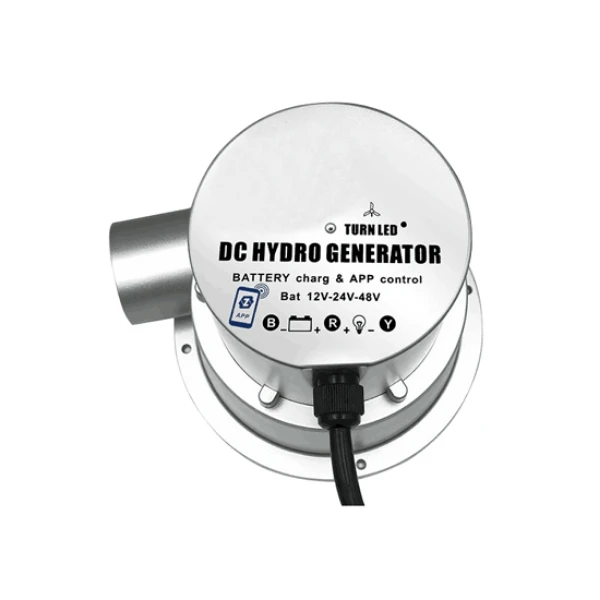
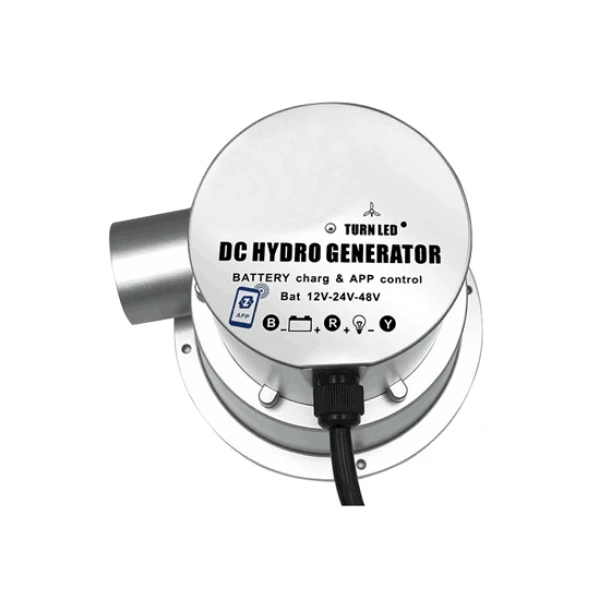
A water turbine converts moving water into rotational energy. When a stream of water hits the turbine blades, it causes them to spin, and that mechanical motion drives a generator to produce electricity. It’s a simple concept, but incredibly effective. A stream of water striking a stationary turbine isn't just a visual — it's the core of how hydroelectric power works. Today, modern turbines are more efficient and compact, especially those designed for small-scale or off-grid use.
Can a Water Turbine Power an Entire House?
Yes, it can — if your water source is steady and properly matched to your system. If you have a consistent stream, a moderate head (vertical drop), and sufficient flow, then a micro hydro setup can generate enough energy for a small house or cabin. The 36V Micro Hydroelectric Generator from PowerHome is designed specifically for this kind of setup. It's compact, off-grid ready, and outputs 36V DC that can be stored in a battery bank or converted to AC with an inverter. It's ideal for remote homes, mountain cabins, or even backup use on rural properties.
How a Water Turbine Works in Real Conditions
The way a turbine performs in real-world use depends heavily on your local water conditions. You need a good balance of head and flow. Even a few feet of drop can be enough if the water flow is steady. Unlike solar panels that rely on sun or wind turbines that wait for the right gust, water turbines can produce power day and night, as long as the stream doesn’t stop. That kind of consistency makes them especially appealing for off-grid users who can’t afford daily gaps in power.
Connecting a Water Turbine to Your Off-Grid System
Setting up a water turbine isn’t overly complex if you have basic site access. You’ll need to divert water through a pipe or chute, direct it to the turbine intake, and connect the generator’s DC output to your energy storage system. The 36V unit from PowerHome is designed to integrate easily into battery-based systems, and because it's enclosed and weather-resistant, it holds up well in outdoor environments. People often ask how turbine vents keep water out — the answer is smart design. Sealed housings and drainage points help prevent internal moisture buildup and protect components.
Final Thoughts
If you’ve got a flowing stream and you’re tired of relying on solar only or hauling fuel for generators, a micro hydro system might be the solution you didn’t realize you had. The 36V micro hydro generator from PowerHome offers a real opportunity to turn a natural resource into quiet, reliable, renewable energy. It’s not for every location — but for the right site, it just makes sense.


























Sign in to leave a comment.