Yes, professional air sealing is one of the most effective ways to reduce the transmission of outdoor allergens into your home. The primary way that pollen, dust, and other airborne pollutants enter a living space is through uncontrolled air leakage. A professional air sealing job finds and closes the thousands of hidden gaps and cracks in a home's structure, creating a continuous air barrier. This barrier effectively blocks the pathways that these allergens use to get inside, which can lead to a dramatic improvement in indoor air quality and a significant reduction in allergy and asthma symptoms for the home's occupants.
For homeowners who are tired of a constant battle with seasonal allergies, understanding the direct link between a leaky house and their symptoms is the first step toward a lasting solution. This guide will explain the science behind how allergens infiltrate a home and how a professional air sealing strategy can help. The information is based on the practical, hands-on experience of building performance experts who specialize in creating healthier indoor environments.
How Allergens Get Inside Your Home
While opening doors and windows is an obvious entry point, the vast majority of outdoor allergens get into a home in a much more subtle way: through the building envelope.
The Problem of the Leaky House
The average home is full of thousands of tiny, unsealed gaps and cracks. These leaks are commonly found:
- Around windows and doors.
- Where plumbing pipes and electrical wires enter the house.
- At the joint where the foundation meets the walls (the rim joist).
- At the joint where the walls meet the attic (the top plates).
- Around recessed light fixtures and attic access hatches.
When added together, these small leaks can be equivalent to leaving a window open 24/7.
The Forces That Drive Air Infiltration
Air is always trying to move from an area of high pressure to an area of low pressure. This movement is driven by two main forces:
- Wind: Wind blowing against the house creates a high-pressure zone on one side and a low-pressure zone on the other, which pushes and pulls air through these leaks.
- The Stack Effect: In the winter, the warm, buoyant air inside the house rises and pushes its way out through leaks in the attic. This creates a vacuum in the lower levels of the house, which in turn sucks cold outside air in through gaps in the foundation and walls.
This constant, uncontrolled flow of air is what carries pollen, dust, and other microscopic pollutants directly into your living space.
The Professional Air Sealing Solution
A professional air sealing job is a systematic process of finding and permanently sealing these hidden leaks. It is not just about caulking a few windows; it is a comprehensive, whole-home approach.
A Diagnostic Approach
The process often starts with a professional energy audit, which includes a blower door test. This test depressurizes the house, which makes it easy to find even the smallest leaks using tools like smoke pencils or an infrared camera. This diagnostic step ensures that the work is targeted at the biggest problem areas.
The Tools of the Trade
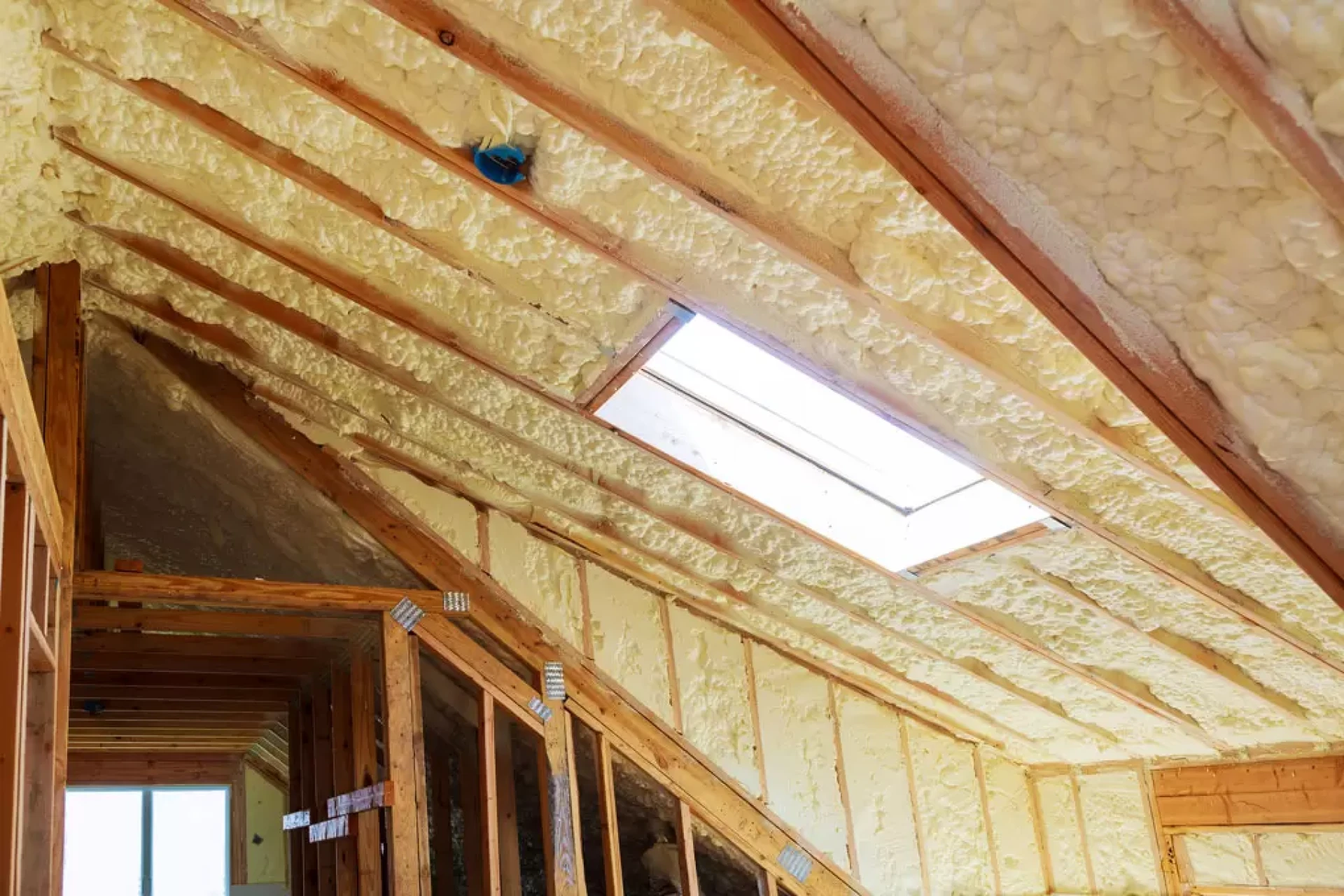
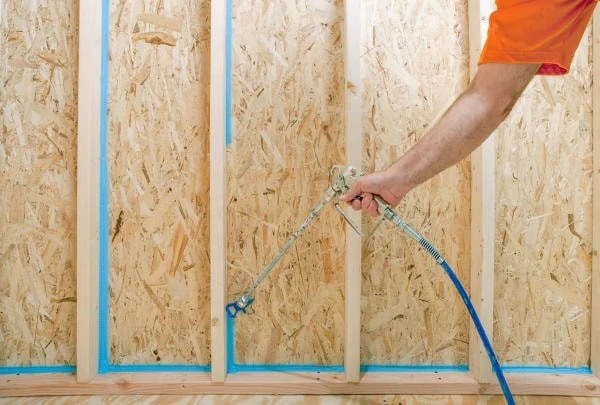
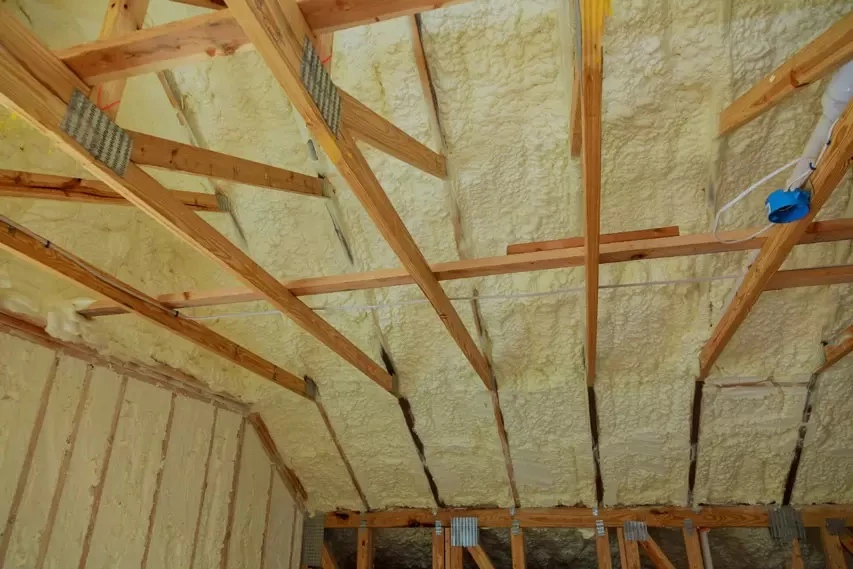
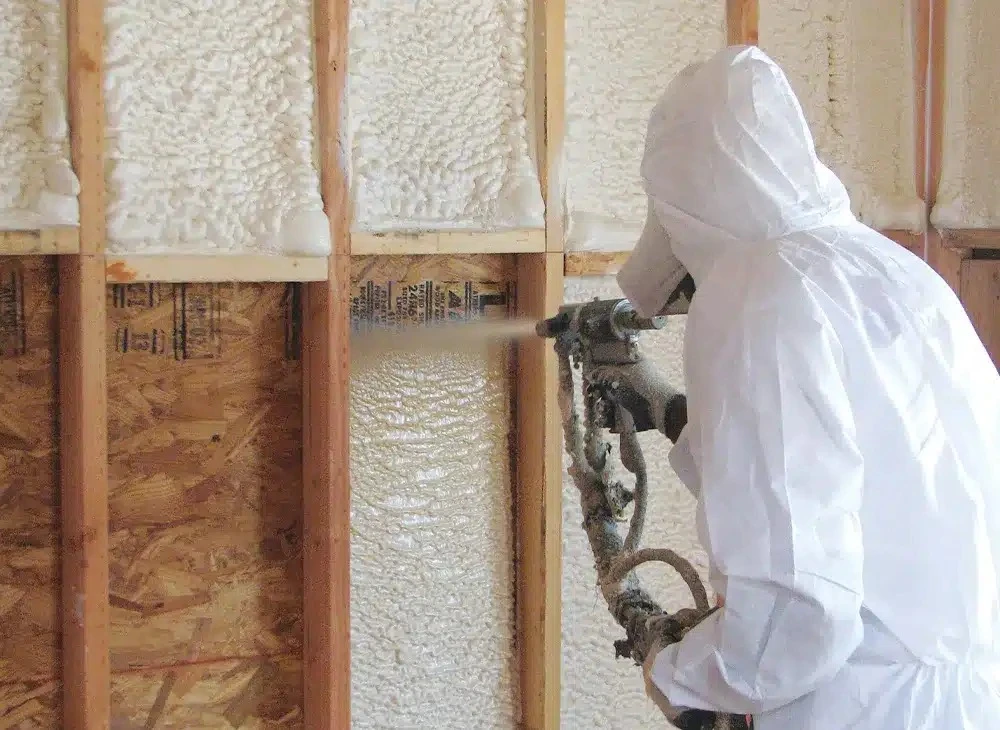
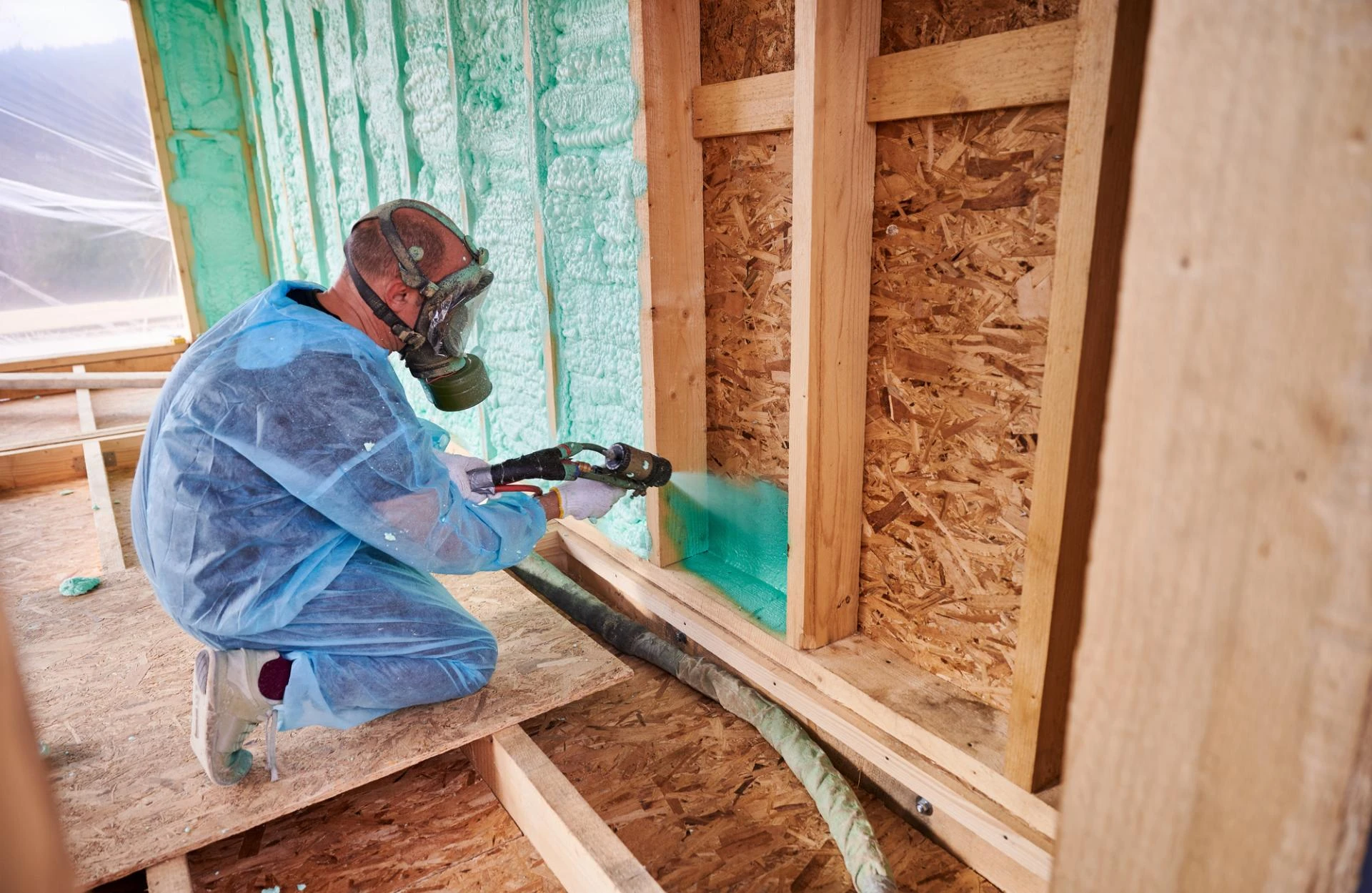
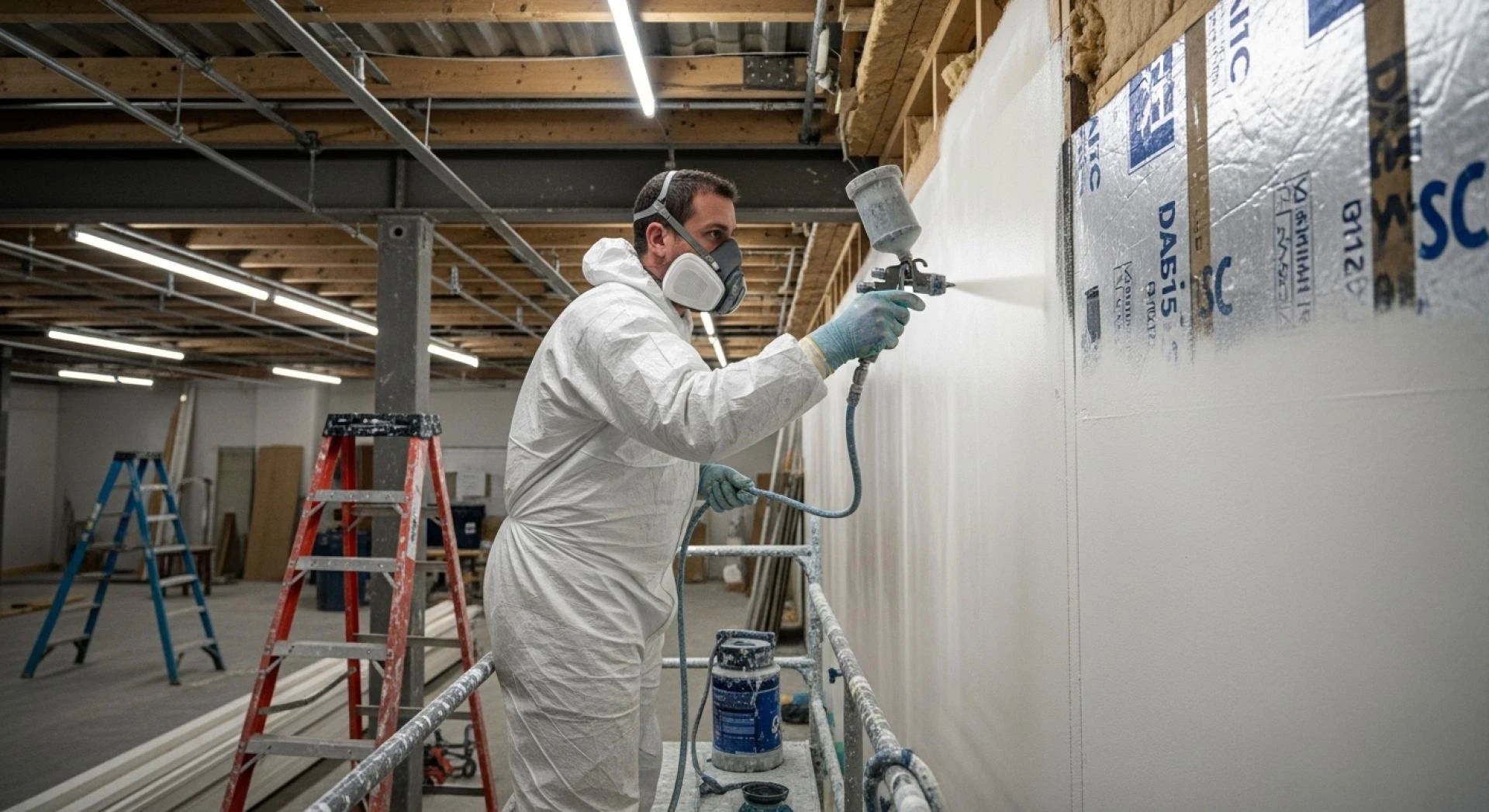
Professionals use a variety of high-quality, long-lasting materials to seal these leaks, but one of the most effective tools in their arsenal is spray foam insulation. A small amount of two-part, closed-cell spray foam is often used to seal the large, irregular gaps around pipes and wires in the attic and rim joist, as it expands to create a perfect, permanent, and airtight seal.
The Broader Benefits of a Sealed Home
The advantages of a professionally air-sealed home go far beyond just reducing allergens.
A More Comfortable and Energy-Efficient Home
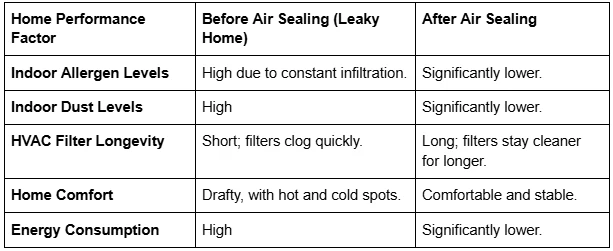
The same air leaks that bring in allergens are also a massive source of energy waste. By sealing them, you are also stopping the drafts that make a home uncomfortable and the constant loss of heated and cooled air that drives up your utility bills. An air-sealed home is a more comfortable and a more affordable home.
Putting Your HVAC Filter to Work
Beyond stopping drafts, sealing these leaks allows your HVAC system's filter to do its job properly. In a leaky house, the filter is fighting a constant, losing battle against an endless supply of incoming dirty air. It becomes overwhelmed and clogs up very quickly, and it can never truly clean the air.
In an air-sealed home, the HVAC system is now primarily re-circulating and cleaning the air that is already inside the house. This allows the filter to work much more effectively, capturing the dust and dander that are generated indoors and leading to a much cleaner and healthier environment.
To illustrate the difference, the table below compares key performance factors in a home before and after air sealing:
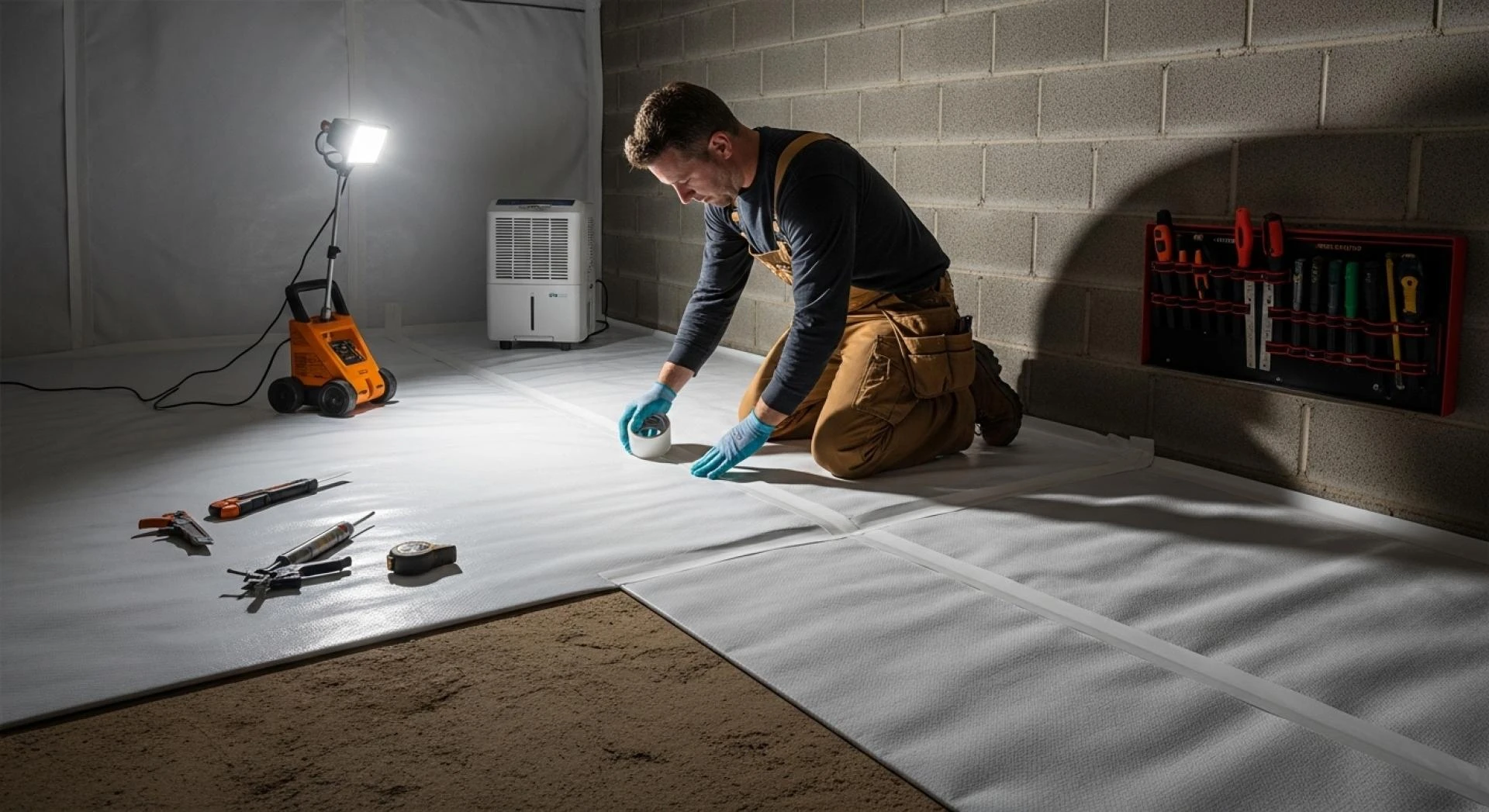
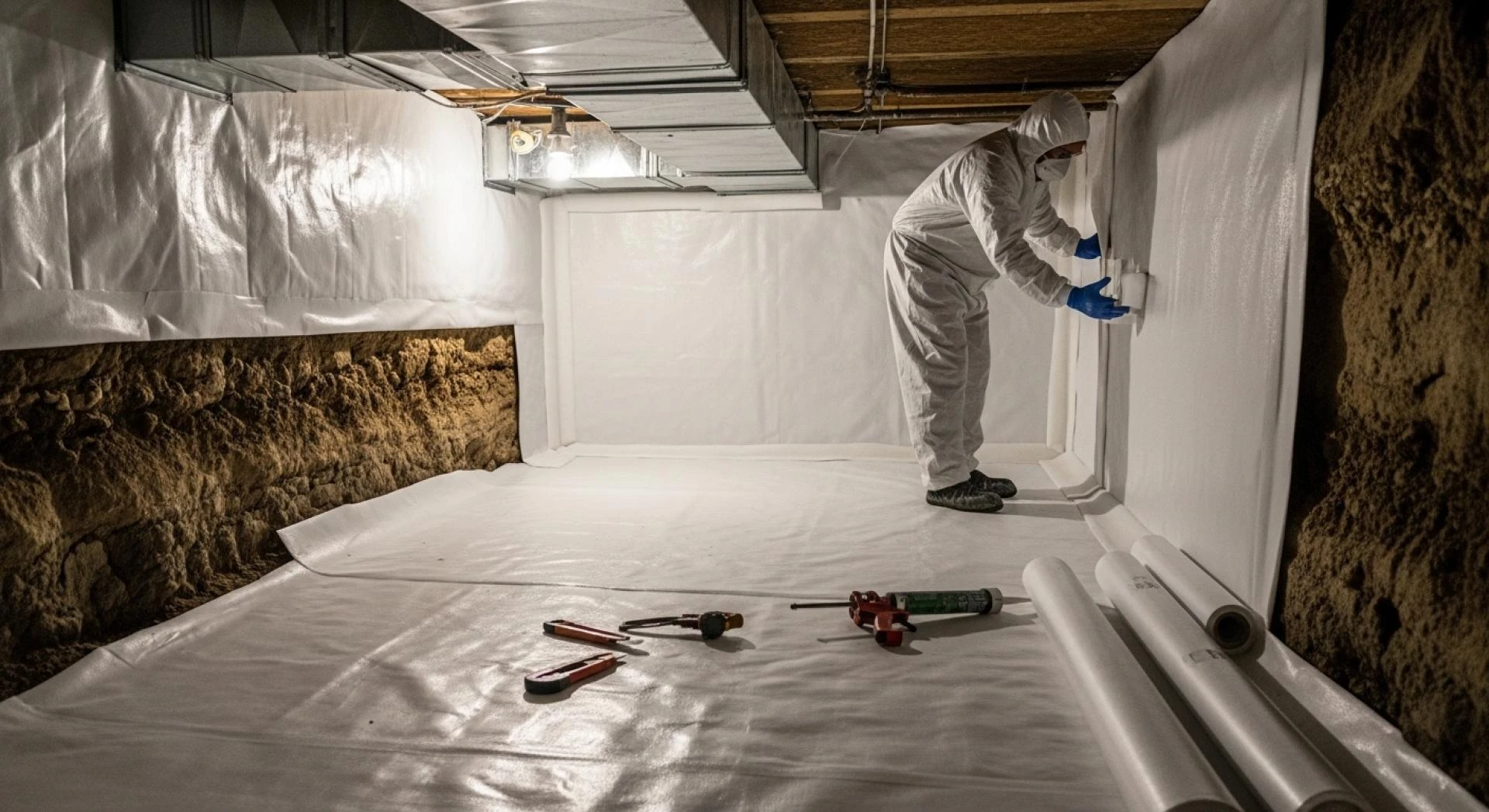
Bonus Tip: A major and often overlooked source of indoor air pollution is a dirt crawl space. The damp earth can release mold spores and musty odors that get drawn up into the house. A professional can solve this by "encapsulating" the crawl space with a heavy-duty vapor barrier and then air sealing the perimeter.
Things to Consider for a Healthier Home
While tackling specific issues is effective, it's best to view the home as a complete system.
- A Systems-Based Approach is Key: A healthy home is a system. When you make a home very airtight, you must also have a plan for providing fresh, filtered air through a controlled, mechanical ventilation system. This is a much healthier way to live than breathing unfiltered air that has been pulled in through a dusty attic or a damp crawl space.
- A Professional Partner is a Must: A thorough and effective air sealing job requires a deep understanding of building science. It is essential to hire a certified, experienced contractor who has the diagnostic tools and the right materials to do the job correctly.
- Air Sealing and Insulation Go Hand-in-Hand: For the absolute best performance, a professional air sealing job should be paired with a high-quality insulation upgrade. The air sealing stops the air movement, and the insulation stops the heat transfer, creating a complete and high-performing thermal envelope.
Final Thoughts on a Breath of Fresh Air
For homeowners who suffer from seasonal allergies, the home should be a refuge, a place where they can escape from the pollen and dust that make them miserable. A professional air sealing project is the most effective way to create that refuge. It is a proactive, one-time investment that can permanently improve a home's indoor air quality, providing a healthier and more comfortable living environment for years to come.
Get a Professional Home Health and Air Quality Assessment
To get a clear and accurate picture of how leaky your home is and to develop a prioritized plan for fixing it, the first step is a professional evaluation. An experienced home performance contractor can provide a comprehensive energy audit and a detailed proposal. For homeowners looking for an expert opinion, the team at Premier Insulation has deep expertise in all aspects of modern building science and home performance. They can be reached for a consultation by email at [email protected] or by phone at (229) 554-3939.
Reviewer: Jack Parker, a spray foam professional with 7 years of experience, reviewed this post and helped improve sections dealing with brand clarity and customer communication.























Sign in to leave a comment.