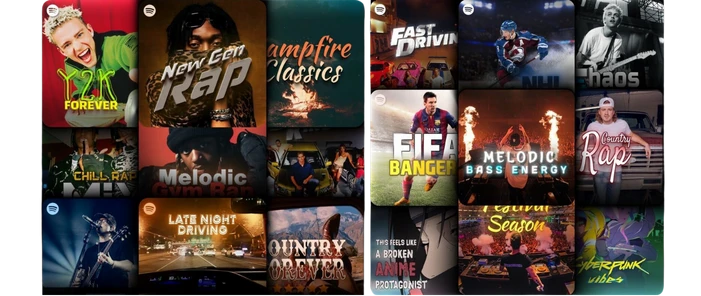

For decades, major record labels controlled who got heard, who got funded, and who made it into the spotlight. Radio, physical distribution, and industry connections gave labels an undeniable advantage. But in 2026, the music industry looks very different.
Today, independent artists have access to the same streaming platforms, the same distribution tools, the same marketing methods, and the same global audience as major labels. Spotify, in particular, has become a level playing field, at least on the surface.
This leads to one of the most important questions modern artists ask:
Can an emerging artist really compete with major labels on Spotify in 2026? Or do labels still hold all the power?
The short answer is: Yes, emerging artists can compete, but only if they understand how Spotify actually works.
And that means understanding algorithms, playlists, audience behavior, and modern music marketing services.
This blog breaks down:
- The real advantage (and limitations) of record labels
- How Spotify’s algorithm has changed the game
- Why marketing and strategy matter more than deals
- How independent artists are building real growth
- And how emerging artists can use Spotify music promotion, playlist marketing, and organic Spotify growth to compete in 2026.
The Traditional Power of Record Labels
Record labels historically offered three main advantages:
- Funding
- Distribution
- Access to audiences
Even in 2026, many labels still:
- Own 50% of masters and derivatives
- Control marketing budgets
- Influence playlist pitching and industry placements
Signing with a label can provide:
- Credibility
- Exposure
- Industry validation
- Access to networks and opportunities
For many new artists, being selected by a label feels like a “stamp of approval.” It signals quality and opens doors.
But here’s the truth that many artists don’t realize:
Signing with a label does not guarantee success. It only guarantees release and potential exposure.
Plenty of label artists still struggle to break through.
The Reality of Label Deals in 2026–2027
According to current industry analysis, including insights from The Truth About Record Labels in 2026:
- Labels typically own around 50% of the master recordings and derivatives
- Artists often contribute 100% of the creative work
- Marketing support varies widely by label
- Smaller labels may offer very limited audience reach
This creates a harsh reality for many artists:
You give up half your ownership, but you might not receive half the results.
This is why more artists are questioning:
“Is an artist label actually necessary anymore?”
Why Spotify Changed the Power Structure
Spotify didn’t just become another streaming platform; it became a discovery engine.
Spotify’s algorithm does not care if you are:
- Signed
- Unsigned
- Independent
- Major label backed
It cares about:
- Listener behavior
- Engagement
- Saves
- Repeat streams
- Playlist activity
This is the single biggest reason emerging artists can now compete.
Spotify rewards performance, not paperwork.

The Algorithm Advantage: Where Emerging Artists Can Win
Spotify’s algorithm is driven by:
- Skip rate
- Save rate
- Listening duration
- Repeat listens
- Playlist adds
- Listener similarity
If an independent artist gets:
- High engagement
- Strong saves
- Repeat listeners
- Playlist traction
Spotify will push that track.
This leads to:
- Discover Weekly playlist boost
- Release Radar promotion
- Radio & autoplay placement
- Daily Mix inclusion
These algorithmic placements can generate tens or hundreds of thousands of streams, without a label.
This is where Organic Spotify growth becomes more powerful than label affiliation.

The Role of Playlists: Where the Real Battle Is Fought
Major labels still have advantages when it comes to:
- Editorial playlist pitching
- Industry relationships
- Media coverage
But playlist marketing is no longer exclusive to labels.
Independent artists now have access:
- User-curated playlists
- Niche genre playlists
- Mood playlists
- Influencer playlists
With the right strategy, Spotify playlist placements can generate sustained streams.
This is why playlist promotion for artists is one of the most important tools for competing in 2026.
Free Music Promotion vs Label Marketing
Labels often handle:
- Press
- Playlist pitching
- Radio
- Ads
But they also:
- Control budgets
- Prioritize certain artists
- Drop underperforming acts quickly
Independent artists, on the other hand, can:
- Choose their strategy
- Control their budget
- Test multiple approaches
- Pivot quickly
With modern music marketing tools, indie artists can now run:
- TikTok music ads
- Meta ads for music promotion
- Playlist campaigns
- Data-driven promotions
This flexibility is a major competitive advantage.
Why Marketing Matters More Than Being Signed
One of the biggest misconceptions is:
“If I get signed, everything will work.”
In reality:
- Labels still expect traction
- Labels still rely on algorithms
- Labels still test songs before investing heavily
If your song does not perform, the label often does not push it.
This is why:
High-quality marketing and strong promotional strategy are often more important than the deal itself.
This is also why data-driven music marketing is reshaping the industry.
The Transition Problem: Moving Listeners Between Platforms
One of the hardest challenges for both labels and independent artists is:
Transitioning listeners from one platform to another.
For example:
- TikTok → Spotify
- Instagram → Spotify
- YouTube → Spotify
This is where many artists fail.
They get:
- Views
- Likes
- Comments
But no streams.
Labels struggle with this, too.
This is why Spotify Targeted Integration System strategies and funnel-based promotion matter, because the goal is not attention, it’s conversion.

Why Independent Artists Are Gaining Ground
Independent artists in 2026 have:
- Global distribution access
- Direct fan communication
- Control over branding
- Access to affordable promotion tools
- Real-time data
- Freedom to experiment
This makes Independent artist promotion more powerful than ever.
An indie artist with:
- Good music
- Strong playlist placement
- Smart ads
- Consistent releases
…can outperform a label artist who lacks engagement.
Spotify does not care about your contract.
It cares about your audience’s behavior.
How Emerging Artists Are Competing with Labels on Spotify
Let’s break it down practically.
1. Playlisting Strategy
Emerging artists are using:
- Niche playlists
- Mood playlists
- Genre playlists
- Influencer playlists
This creates:
- Consistent streams
- Repeat exposure
- Algorithm signals
This is why safe Spotify playlisting is critical.
Fake playlists destroy profiles.
Real playlists build careers.
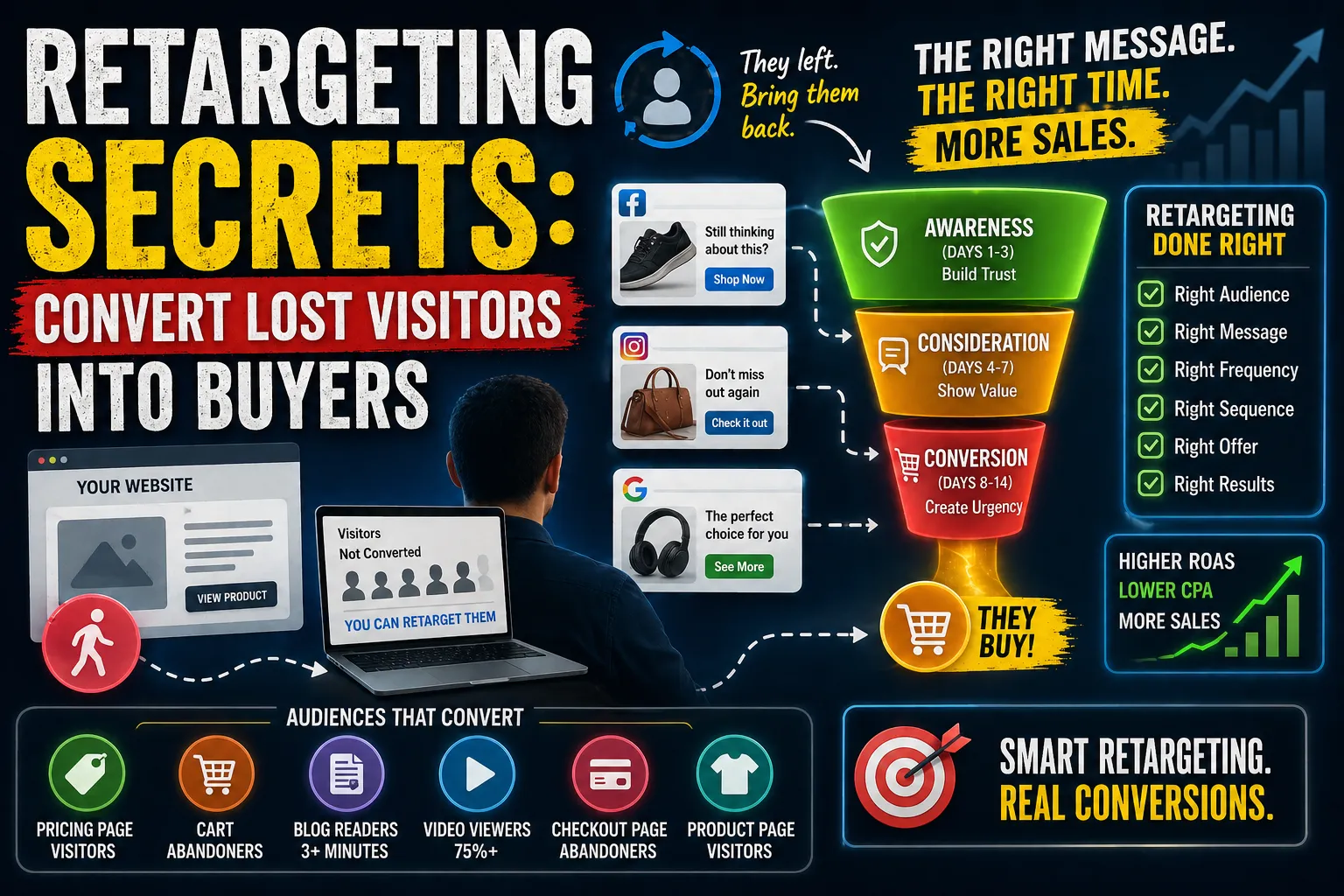
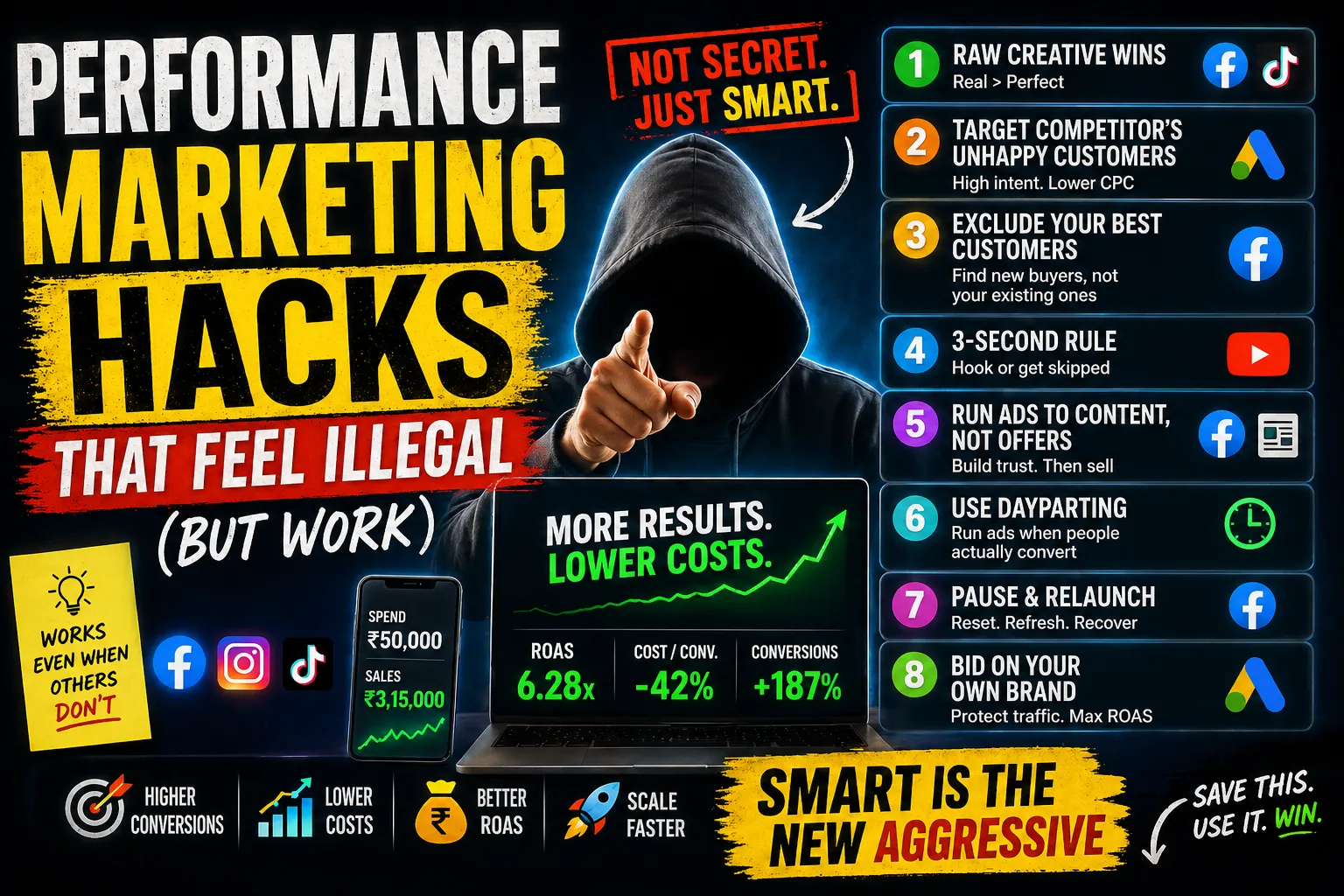
2. TikTok Music Ads
TikTok has become the most powerful discovery tool.
Smart indie artists use:
- Short clips
- Hook-based content
- Paid TikTok music ads
To drive:
- High-intent listeners
- Spotify streams
- Algorithm confidence
3. Meta Ads for Music Promotion
Meta ads allow:
- Precise targeting
- Retargeting of viewers
- Follower growth
- Spotify link traffic
This gives independent artists label-level targeting ability.
4. Release Strategy
Labels are released strategically.
Indie artists now do too.
By:
- Releasing every 4–6 weeks
- Pre-saving campaigns
- Teaser content
- Playlist pitching
Indie artists trigger Release Radar promotion just like labels.
5. Data-Driven Decision Making
Labels use data.
Indie artists can now, too.
With analytics, artists can:
- Identify top countries
- Track listener behavior
- Optimize campaigns
- Scale what works
This is data-driven music marketing in action.
The Pros and Cons of Signing in 2026
Pros of Signing
- Industry validation
- Credibility
- Access to larger audiences
- Performance opportunities
- Collaboration potential
Cons of Signing
- Loss of ownership
- Revenue split
- Creative restrictions
- Possible lack of support
- Risk of being deprioritized
This is why many artists now:
- Build independently first
- Grow audience
- Prove demand
- Then negotiate from strength
Spotify allows this approach.
Why Spotify Is the Great Equalizer
Spotify doesn’t ask:
- Who is your label?
- Who is your manager?
- Who do you know?
It asks:
- Are people listening?
- Are they saving?
- Are they coming back?
This is why music audience growth is more important than industry politics.
How to Grow Spotify Streams as an Emerging Artist
If you want to compete with labels, you must master:
- Playlist Marketing
- Meta Ads
- Organic Content
- Networking and collaborations
This is done through:
- Consistent promotion
- Smart ads
- Playlist placements
- Engagement-focused campaigns
Not through:
- Buying streams
- Joining fake networks
- Chasing shortcuts
That is how artists lose.
The Role of Discover Weekly & Release Radar
These two features are where independent artists often beat labels.
Because:
- Discover Weekly is algorithm-driven
- Release Radar is follower-driven
An indie artist with:
- Strong engagement
- Loyal listeners
- High save rate
…can outperform a label artist in these placements.
This is how small artists go big.
Why “Non-Botted Spotify Streams” Matters More Than Ever
Labels avoid bots because they understand risk.
Indie artists must do the same.
Fake streams lead to:
- Algorithm suppression
- Profile damage
- Lost trust
- Career risk
This is why No bot Spotify streams is not optional.
It is survival.

How Artists Actually Make Money on Spotify
To answer the questions:
- How to make money from my music?
- How to make money on Spotify?
You need:
- Volume (streams)
- Consistency
- Algorithm support
- Catalog depth
Labels push this with money.
Indie artists push this with strategy.
Both paths can work.
Affordable Music Promotion vs Label Budgets
Labels have big budgets.
Indie artists have to be smarter.
Smart artists use:
- Small, testable campaigns
- Retargeting
- Playlist stacking
- Content funnels
This gives label-level results at indie-level budgets.
Real Spotify Promotion vs Industry Hype
The industry loves hype.
Spotify loves behavior.
Real Spotify Promo focuses on:
- Listener intent
- Engagement
- Retention
Not on:
- Vanity metrics
- Fake followers
- Empty numbers
This is why emerging artists can now outperform labels.
Ways Emerging Artists Can Compete Right Now
Here are practical Ways to promote my music and Ways to market on Spotify:
- Playlist marketing
- TikTok music ads
- Meta ads for music promotion
- Pre-save campaigns
- Influencer marketing
- Artist collaborations
- Consistent release schedules
- Algorithm optimization
- Data analysis
- AMV campaigns
These are Ways to promote your music online that actually work.
The Big Shift: From Gatekeepers to Systems
The old model:
- Labels controlled access
The new model:
- Systems control access
Algorithms are the new gatekeepers.
Artists who understand systems win.
Can Emerging Artists Really Compete with Major Labels in 2026?
Yes.
But not by copying labels.
By:
- Being smarter
- Being more agile
- Being data-driven
- Being audience-focused
Emerging artists are not trying to outspend labels.
They are trying to out-strategize them.
And on Spotify, that is possible.
Why GPM Music Group’s Approach Aligns with the New Reality
GPM Music Group operates where modern artists need to be:
- Spotify music promotion
- Organic Spotify growth
- Spotify playlist placements
- Meta ads and TikTok ads
- No artificial streaming
- Data-driven music marketing
- Spotify Targeted Integration System
- Affordable Music Promotion
- AMV campaigns
This is the toolkit emerging artists need to compete with labels.
Not hype.
Not shortcuts.
Systems.

Final Thoughts: The Power Has Shifted
Major labels still have power.
But they no longer have a monopoly.
In 2026, power belongs to:
- Artists who understand the algorithm
- Artists who build real audiences
- Artists who market strategically
- Artists who stay consistent
The question is no longer:
“Can I compete with a label?”
The question is:
“Am I using the tools correctly?”
Because on Spotify, the playing field is more level than ever.





















Sign in to leave a comment.