

By Dr. Aman Kumar, Vitreo Retinal and Cataract Surgeon
One of the most common questions patients ask after cataract surgery is, "Can cataracts come back?" The simple answer is no. Once a cataract is removed, it cannot grow back because the cloudy natural lens has been permanently replaced with an artificial intraocular lens (IOL).
However, some people experience blurred vision months or even years after surgery and mistakenly believe their cataract has returned. In most cases, this is due to a condition called Posterior Capsule Opacification (PCO), often referred to as a "secondary cataract."
Why Does Vision Become Blurry Again?
During cataract surgery, the cloudy lens is removed, but a thin membrane called the posterior capsule is left intact to support the artificial lens. Over time, this capsule may become cloudy, causing symptoms similar to a cataract.
This condition is not a new cataract—it is simply a clouding of the capsule behind the implanted lens.
Symptoms of a Secondary Cataract
If you develop posterior capsule opacification, you may notice:
- Blurred or hazy vision
- Glare or halos around lights
- Difficulty driving at night
- Reduced contrast sensitivity
- Faded colors
These symptoms can gradually affect your daily activities if left untreated.
Who Is at Risk?
Secondary cataracts can develop in anyone who has had cataract surgery, but they are more common in:
- Younger cataract patients
- People with diabetes
- Patients with certain inflammatory eye conditions
- Individuals who have undergone retinal surgery
Regular follow-up appointments help detect the condition early.
How Is It Treated?
Fortunately, treatment is quick, safe, and painless.
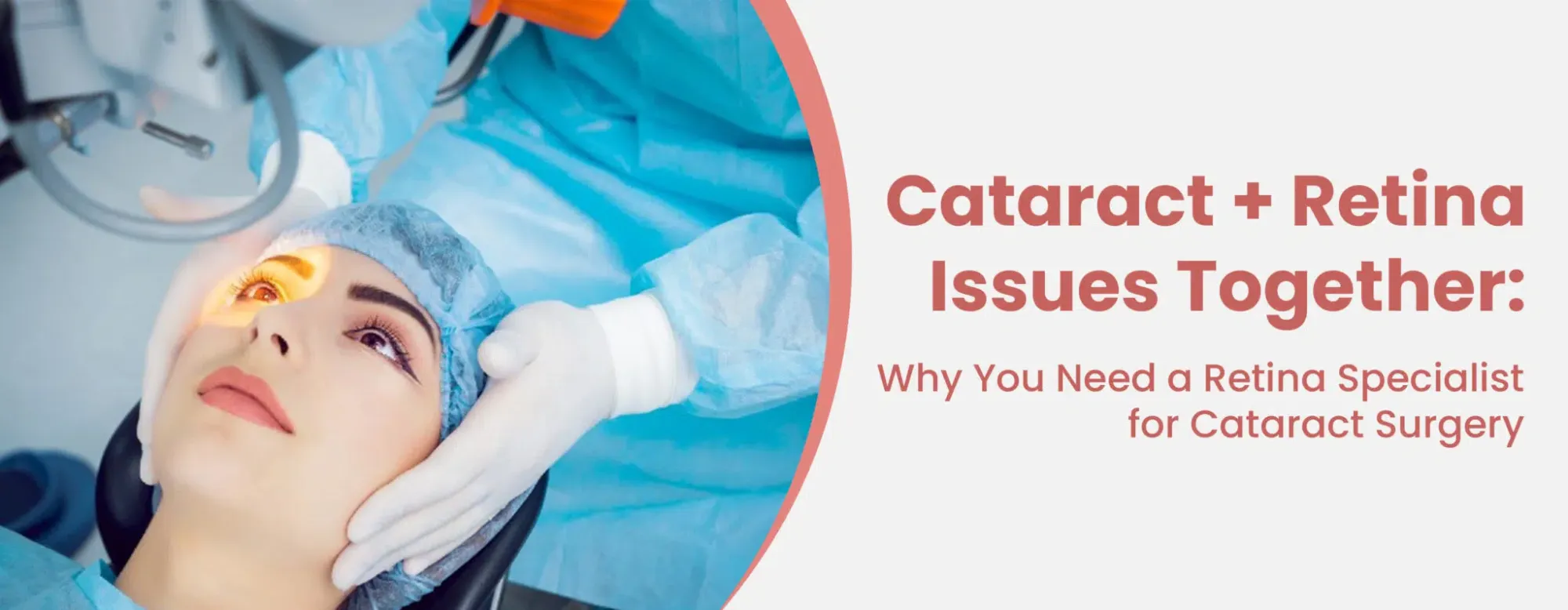
An ophthalmologist performs a YAG laser capsulotomy, a simple outpatient procedure that creates a small opening in the cloudy capsule, allowing light to pass through clearly again.
The treatment usually takes only a few minutes, and most patients notice significant improvement in their vision shortly afterward.
Can It Be Prevented?
Although posterior capsule opacification cannot always be prevented, advances in cataract surgery techniques and modern intraocular lenses have reduced its occurrence.
Choosing an experienced Best Cataract Surgeon Delhi and following post-operative care instructions can contribute to better long-term outcomes.
When Should You Visit Your Eye Doctor?
After cataract surgery, seek medical advice if you experience:
- Gradual blurring of vision
- Sudden vision loss
- Flashes of light
- New floaters
- Eye pain or redness
While blurred vision may simply be due to a secondary cataract, these symptoms could also indicate retinal conditions that require immediate evaluation by a retina specialist in Delhi.
Why Retinal Evaluation Is Important
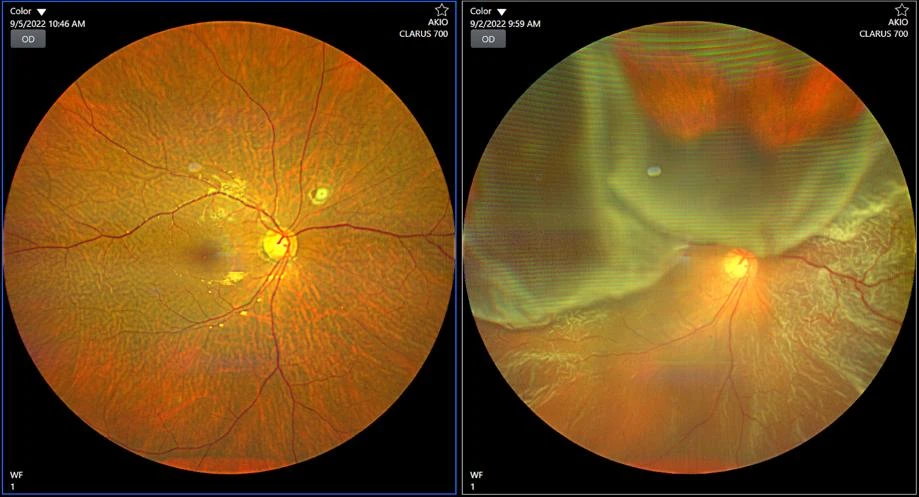
Some patients develop retinal diseases after cataract surgery that may not be related to the surgery itself. Conditions such as retinal tears, retinal detachment, or diabetic retinopathy require prompt diagnosis and treatment.
This is why comprehensive eye examinations remain important even after successful cataract surgery.
Patients with retinal concerns may benefit from evaluation by a Best Cataract and Retina Surgeon in Delhi, who can assess both the front and back of the eye.
Maintaining Healthy Vision After Surgery
To keep your eyes healthy:
- Attend scheduled follow-up appointments.
- Manage diabetes and blood pressure.
- Wear sunglasses outdoors.
- Protect your eyes from injury.
- Report any sudden changes in vision immediately.
These simple steps can help maintain excellent vision for years after cataract surgery.
Conclusion
A cataract does not come back after surgery. If your vision becomes blurry again, it is often due to posterior capsule opacification, a common and treatable condition. With a quick laser procedure and regular eye check-ups, most patients regain clear vision and continue enjoying the benefits of cataract surgery.
If you notice changes in your eyesight after surgery, consult an experienced ophthalmologist promptly. Early evaluation helps identify the cause and ensures you receive the most appropriate treatment to protect your vision.



























Sign in to leave a comment.