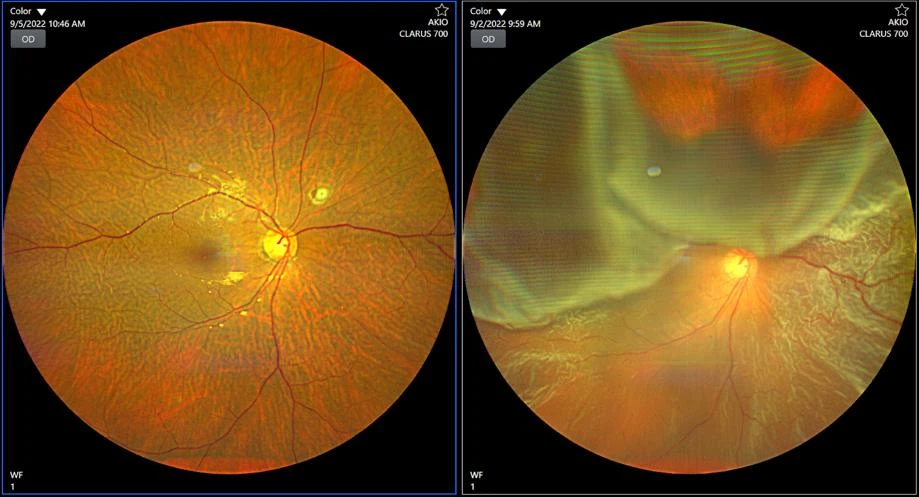

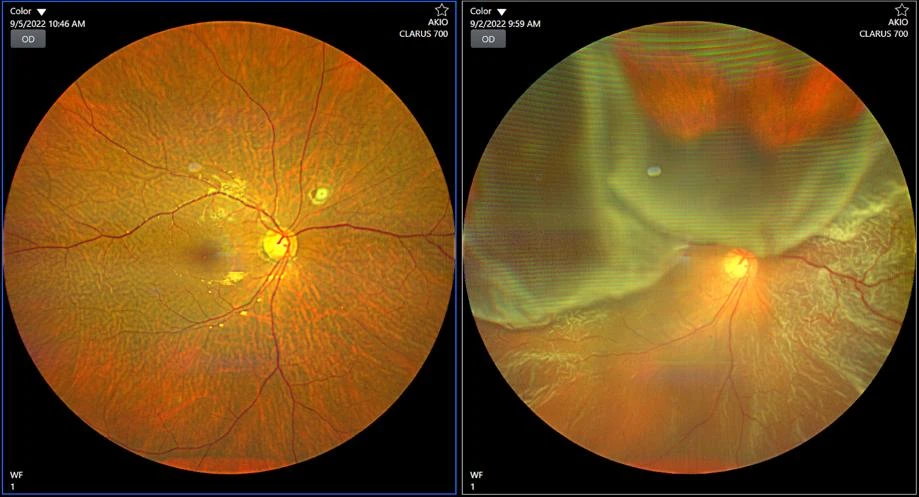
Maintaining good vision is essential for a healthy and active life. Many people experience vision problems due to issues related to the retina, the light-sensitive layer at the back of the eye that plays a crucial role in seeing clearly. Consulting a retina specialist in Delhi becomes important when symptoms like blurred vision, floaters, flashes of light, or sudden vision loss appear. These experts are trained to diagnose and treat complex retinal conditions that general eye care may not fully address.
Understanding the Role of the Retina
The retina works like a camera sensor inside the eye. It captures light and sends signals to the brain, allowing us to interpret images. When the retina becomes damaged or diseased, vision can be affected significantly. Conditions such as retinal detachment, diabetic retinopathy, macular degeneration, and retinal vein occlusion require specialized medical attention.
Early diagnosis plays a major role in protecting eyesight. Many retinal diseases develop slowly and may not show obvious symptoms in the beginning. Regular eye checkups and timely consultation with a specialist help detect these problems before they progress into serious vision complications.
Why Specialized Retina Care Matters
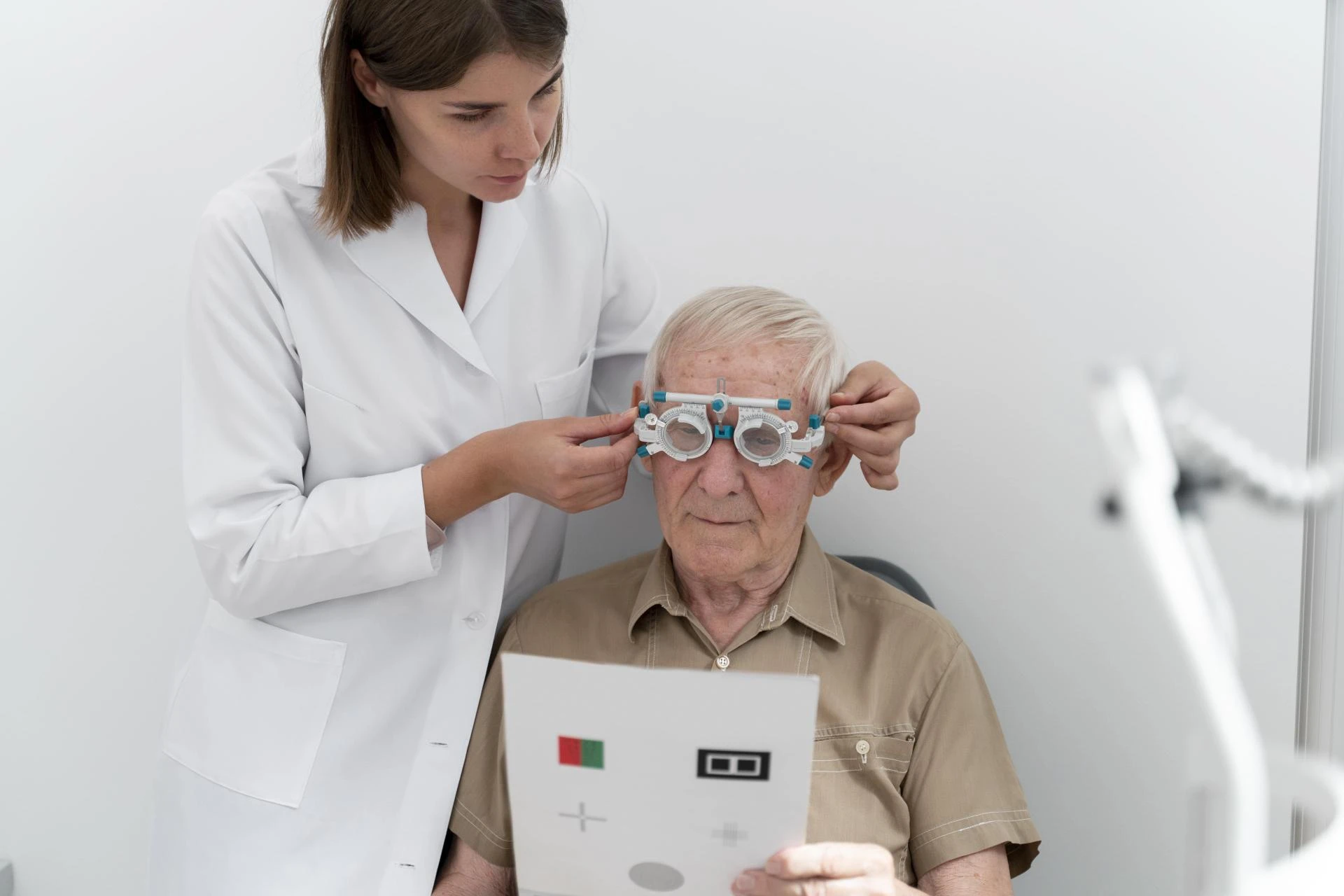
Advanced eye problems often require the expertise of a Best Retina Doctor who has specialized training in diagnosing and treating retinal disorders. These specialists use modern diagnostic tools such as optical coherence tomography (OCT), fundus photography, and retinal scans to examine the back of the eye in detail.
With the help of advanced imaging techniques, retinal specialists can detect even minor abnormalities that might otherwise go unnoticed. Treatments may include laser therapy, injections, medication, or surgical procedures depending on the condition. Having access to specialized care increases the chances of preserving vision and preventing further damage.
Also Read: - Why Some Retinal Detachments Happen Without Warning
Common Retinal Conditions People Experience
Several retinal conditions can affect individuals at different stages of life. One of the most common is diabetic retinopathy, which occurs when high blood sugar damages the tiny blood vessels in the retina. If left untreated, this condition can lead to serious vision loss.
Another condition is macular degeneration, which affects the central part of the retina responsible for sharp vision. This can make activities like reading, driving, or recognizing faces difficult. Retinal detachment is another serious problem where the retina separates from its underlying layer, requiring immediate medical attention.
People who experience symptoms such as sudden floaters, flashes of light, distorted vision, or dark spots in their vision should seek professional evaluation quickly. Early intervention significantly improves treatment outcomes.
How Retina Specialists Diagnose Eye Problems
A comprehensive retinal examination involves several steps. Doctors typically begin with a detailed eye examination followed by specialized imaging tests to study the retina. These tests allow doctors to evaluate blood vessels, nerve layers, and retinal tissues in great detail.
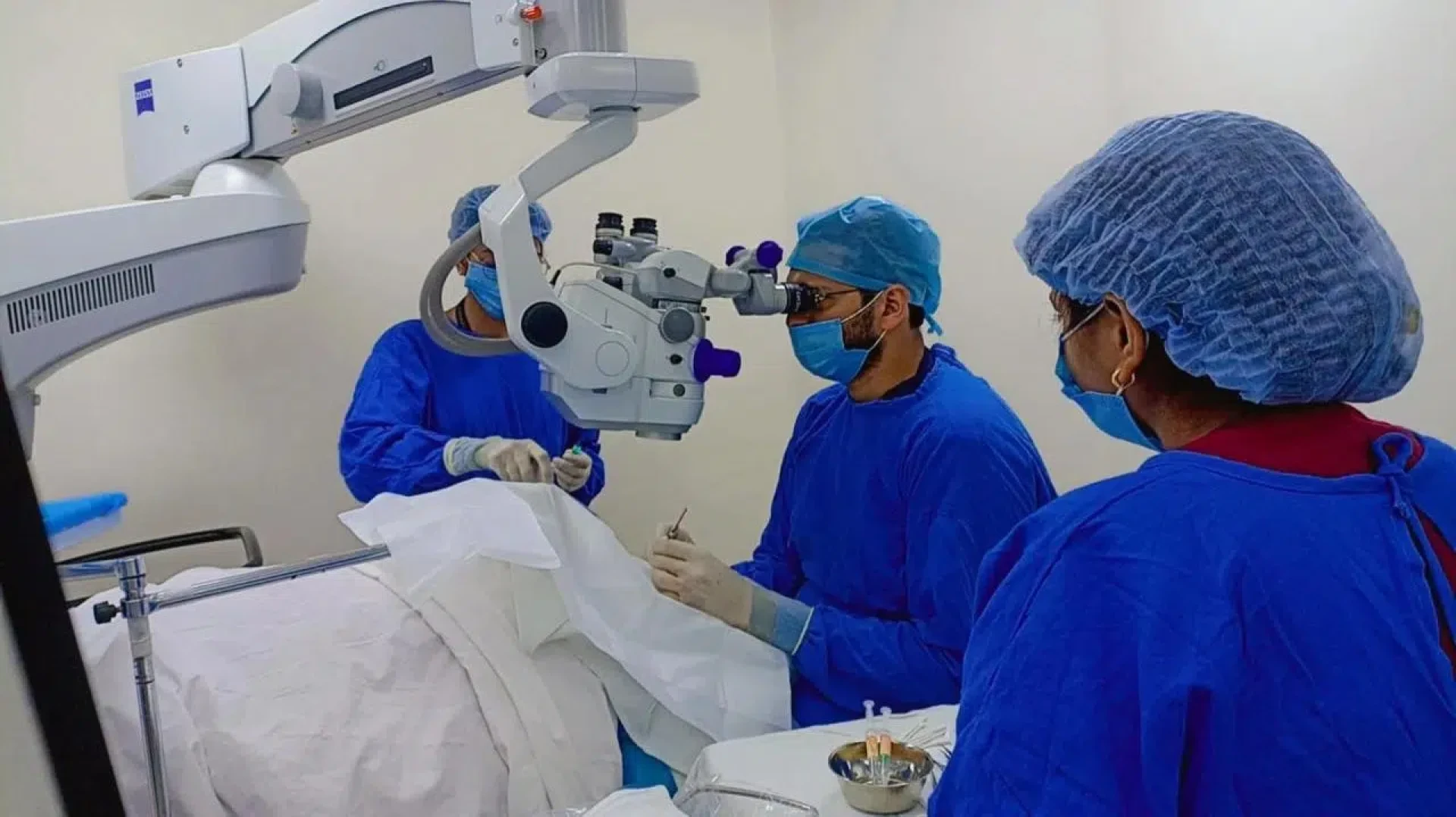
Depending on the diagnosis, treatment plans may include laser procedures to seal leaking blood vessels, injections to control swelling, or surgery to repair retinal detachment. Technological advancements have made these treatments more precise and effective, helping patients recover vision and maintain eye health.
Tips to Protect Retina Health
While medical treatment is essential for retinal diseases, preventive care also plays an important role. Maintaining healthy blood sugar levels is critical for individuals with diabetes. Wearing protective eyewear, maintaining a balanced diet rich in vitamins, and getting regular eye examinations can help reduce the risk of retinal damage.
Lifestyle habits such as quitting smoking, managing blood pressure, and limiting screen strain can also contribute to long-term eye health. Regular monitoring ensures that any developing issues are detected early and treated effectively.
Finding the Right Eye Care Facility
Choosing a reliable healthcare facility is an important step in managing retinal conditions. Patients should look for experienced specialists, advanced diagnostic technology, and comprehensive treatment options. Visiting the best eye hospital in delhi for retina ensures access to specialized care, modern equipment, and experienced professionals who focus on protecting vision and improving overall eye health.
FAQs
1. When should I visit a retina specialist?
You should consult a specialist if you notice blurred vision, floaters, flashes of light, or sudden vision changes.
2. What diseases does a retina specialist treat?
They treat conditions like diabetic retinopathy, retinal detachment, macular degeneration, and retinal vein occlusion.
3. Are retinal diseases treatable?
Many retinal conditions can be managed or treated effectively if diagnosed early.
4. Is retinal treatment painful?
Most procedures are minimally invasive and performed with proper anesthesia for comfort.
5. How often should I get my retina checked?
People with diabetes or vision problems should have regular eye exams as recommended by an eye specialist.























Sign in to leave a comment.