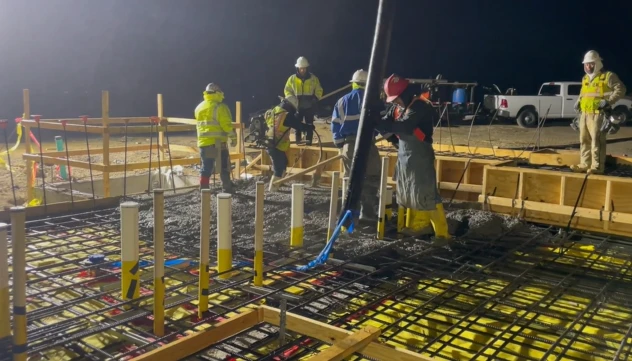

Structural repairs rarely begin with a major failure. A small crack in the slab, a sticking door, or uneven flooring often signals a deeper issue below the surface. In areas with expansive soil, these early signs tend to repeat and worsen over time. Soil movement does not stop, and structures built without isolation absorb that movement directly.
Expansive soils expand when wet and shrink when dry. This constant cycle creates pressure under foundations and slabs. Traditional construction methods transfer that pressure into the structure, which leads to cracks, misalignment, and damage to utilities. Over time, repair costs increase because the root cause remains unaddressed.
How Isolation Framing Changes Structural Behavior?
An isolation framing system separates the structural frame from soil movement. Instead of transferring stress directly into the building, it redirects and manages that force. The system creates a controlled interface between the ground and the structure, allowing movement without damage.
The mudskipper framing system applies this concept through engineered framing components designed for stability. It incorporates adjustable supports and structural elements that maintain alignment even as the soil shifts. This design protects both the structure and the systems within it.
Key performance characteristics include:
- Structural alignment remains consistent despite ground movement.
- Load transfer occurs through engineered framing, not unstable soil.
- Plumbing and utilities stay protected from slab distortion.
- Movement is managed in a controlled and predictable manner.
This approach focuses on prevention. It limits the conditions that lead to structural failure rather than reacting after damage occurs.
Direct Impact on Repair Costs
Lower structural repair costs come from reducing the frequency and severity of damage. Isolation framing addresses the source of stress, which changes how often repairs are needed.
Cracking in slabs and walls reduces because the system absorbs soil movement instead of transferring it. The mudskipper framing system remains aligned, which prevents secondary issues such as door and window misalignment. Plumbing systems benefit from stable positioning, reducing the risk of leaks caused by shifting slabs.
Interior finishes also last longer. Flooring, drywall, and fixtures depend on a stable structure. When movement is controlled, these elements experience less stress. Maintenance shifts from reactive repairs to planned upkeep, which improves cost predictability over time.
Technical Overview of System Performance
The performance difference between traditional construction and isolation framing becomes clear when comparing how each handles soil movement.
| Aspect | Conventional Approach | Advanced/Controlled System |
| Soil Interaction | Direct load transfer | Controlled separation |
| Structural Stability | Affected by ground movement | Maintained alignment |
| Plumbing Integrity | High risk of displacement | Protected within the system |
| Repair Frequency | Repetitive and reactive | Reduced and planned |
| Long-Term Cost Control | Uncertain | More predictable |
This comparison reflects how design decisions influence long-term outcomes. Structural isolation reduces exposure to the primary cause of damage.
Designed for Expansive Soil Conditions
Expansive soils create ongoing movement that affects foundations throughout the life of a building. Seasonal moisture changes lead to repeated expansion and contraction. Structures that remain directly connected to this movement face continuous stress.
The mudskipper framing system is designed to perform under these conditions. It maintains consistent load paths and structural alignment even as soil conditions change. The system does not attempt to stop soil movement. It ensures that movement does not compromise the structure.
This makes the system suitable for:
- Residential construction in expansive soil regions
- Light commercial buildings with slab foundations
- Projects requiring long-term durability and cost control
- Developments with varying soil conditions across the site
Integration with Building Systems
Isolation framing works alongside standard construction practices while improving overall performance. It integrates with foundation systems, framing layouts, and utility installations. Proper coordination during design ensures that all components function together.
Plumbing systems benefit from reduced stress and movement. Mechanical and electrical systems remain aligned because the structural frame stays stable. This reduces the likelihood of system failures caused by shifting foundations.
Early planning is critical. Integrating the system during the design phase allows for efficient installation and avoids costly modifications later. Builders can incorporate isolation framing without disrupting project timelines when planned correctly.
Long-Term Value for Property Owners
Structural repair costs often accumulate over time. Initial construction decisions influence how frequently those costs occur. Isolation framing shifts the focus from short-term savings to long-term performance.
Property owners benefit from fewer major repairs and lower maintenance disruptions. Buildings remain functional and structurally sound for longer periods. This improves asset value and reduces unexpected expenses.
The mudskipper framing system also supports predictable maintenance planning. Instead of responding to sudden structural issues, owners can schedule routine inspections and minor upkeep. This approach improves financial planning and reduces operational risk.
Conclusion
Structural repair costs often reflect how well a building manages ground movement. Traditional methods allow soil conditions to dictate structural performance. Isolation framing changes that relationship by controlling how movement affects the structure.
The mudskipper framing system offers a practical solution for reducing long-term repair costs. It protects structural integrity, maintains alignment, and supports reliable building performance in challenging soil conditions.
For projects built on expansive soil, early evaluation of isolation framing can prevent recurring structural issues. A design that addresses soil movement from the start leads to fewer repairs, lower costs, and a more stable building over time. Assess site conditions carefully. Plan for long-term performance. And choose systems that reduce risk before it becomes a recurring expense.

























Sign in to leave a comment.