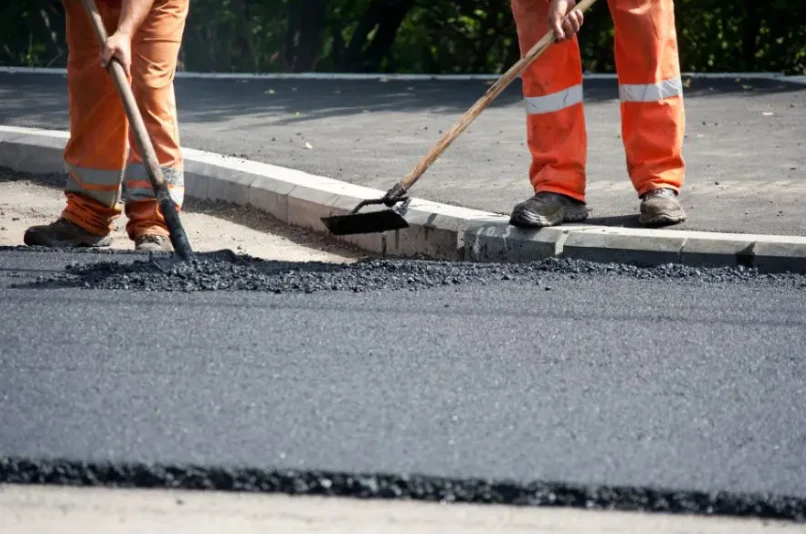

In today’s competitive business environment, the appearance and functionality of your commercial property matter more than ever. One critical yet often overlooked element is pavement condition. Commercial pavement reconstructions can dramatically improve curb appeal, enhance safety, and ensure your property meets necessary standards. Taking a proactive approach to pavement care helps protect your investment and keeps your business looking professional.
Understanding Commercial Pavement Reconstructions
Commercial pavement reconstruction involves a complete renewal of existing pavement structures. Unlike simple repairs, reconstruction addresses deeper structural issues by removing and replacing damaged layers. This process restores strength, durability, and overall performance.
Over time, pavements deteriorate due to heavy traffic, weather exposure, and poor drainage. Cracks, potholes, and surface failures are signs that reconstruction may be necessary. By investing in a well-planned reconstruction strategy, property owners can significantly extend pavement lifespan and reduce ongoing maintenance issues.
Why Opt for Reconstruction?
Cost Efficiency
Although reconstruction may seem like a large upfront expense, it often saves money in the long term. Constant repairs on failing pavement can quickly add up, whereas reconstruction provides a more permanent solution.
Enhanced Safety
Damaged pavement creates hazards for both pedestrians and vehicles. Uneven surfaces, potholes, and cracks increase the risk of accidents. Reconstruction eliminates these issues, creating a safer and more reliable environment.
Improved Aesthetics
A smooth, freshly reconstructed pavement instantly improves the appearance of your property. This creates a positive first impression for customers, tenants, and visitors, reinforcing your brand image.
Best Practices for Pavement Maintenance
Maintaining commercial pavement requires a consistent and proactive approach. Following best practices helps maximize durability and performance.
Regular Inspections
Routine inspections are essential for identifying early signs of damage. Look for cracks, drainage issues, and surface wear. Catching problems early allows for quick and cost-effective solutions.
Sealcoating
Sealcoating is one of the most effective ways to protect asphalt surfaces. Applying a protective layer every few years helps shield pavement from UV rays, water, and chemical damage while improving its appearance.
Prompt Repairs
Small issues like cracks and potholes should never be ignored. Addressing them quickly prevents further deterioration and reduces the need for more extensive repairs.
Proper Drainage
Water is one of the biggest threats to pavement. Poor drainage can lead to erosion, cracks, and structural failure. Ensuring proper water flow helps preserve the integrity of your pavement.
The Role of ADA Compliance in Pavement Design
Accessibility is a key responsibility for commercial property owners. Meeting accessibility standards ensures that all individuals, including those with disabilities, can safely navigate your property.
Accessible Pathways
Walkways should be smooth, wide, and free from obstructions to accommodate wheelchairs and mobility devices.
Clear Signage
Proper signage helps guide visitors to accessible entrances, parking spaces, and facilities.
Tactile Surfaces
Textured warning surfaces near ramps and crossings improve safety for visually impaired individuals.
Maintaining these features not only ensures compliance but also demonstrates a commitment to inclusivity and user-friendly design.
Enhancing Curb Appeal Through Pavement Maintenance
A well-maintained exterior plays a major role in how your property is perceived. Pavement is often one of the first things people notice.
Line Striping
Fresh, visible markings improve traffic organization and enhance safety while giving your property a clean, professional look.
Landscaping Integration
Adding greenery around paved areas softens the overall appearance and creates a more inviting environment.
Lighting
Proper lighting improves visibility and security, especially during nighttime hours, making your property safer and more appealing.
Future Trends in Pavement Maintenance
The pavement industry continues to evolve with new technologies and sustainable practices.
Sustainable Materials
Eco-friendly materials, including recycled asphalt, are becoming more widely used, helping reduce environmental impact.
Smart Technology
Advanced monitoring systems can track pavement conditions in real time, allowing for better maintenance planning and efficiency.
Recycling Practices
Reusing existing materials during reconstruction reduces waste and lowers project costs, making it a practical and sustainable solution.
Conclusion
Investing in commercial pavement reconstructions is a smart move for any property owner looking to improve safety, appearance, and long-term value. By following best practices such as regular inspections, sealcoating, prompt repairs, and proper drainage management, you can extend the life of your pavement and reduce costly issues.

























Sign in to leave a comment.