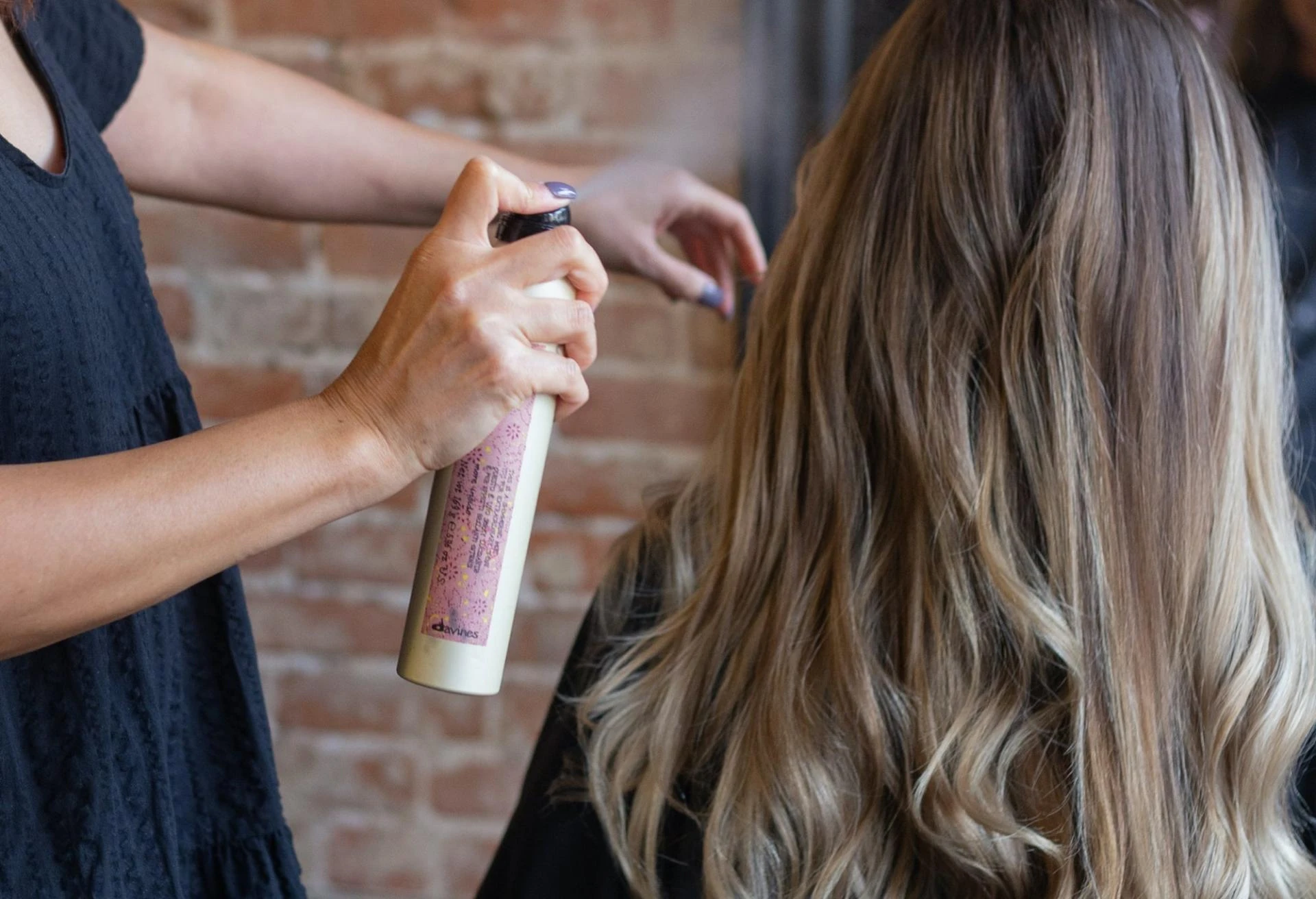

Hard water is water that contains high levels of dissolved minerals, such as calcium and magnesium. These minerals can come from a variety of sources, including the rocks and soil that the water flows through. Hard water is most common in areas where the water supply comes from wells or aquifers.
How does hard water affect your hair?
Hard water can have a number of negative effects on your hair, including:
Dryness: The minerals in hard water can bind to the proteins in your hair, making it dry and brittle.Dullness: Hard water can also leave a film on your hair, which can make it look dull and lifeless.Frizziness: Hard water can also make your hair frizzy and difficult to manage.Breakage: Dry, brittle hair is more prone to breakage.Can hard water cause hair loss?
While there is no direct evidence that hard water can cause hair loss, it can contribute to hair damage and breakage, which can lead to hair loss over time. Additionally, hard water can irritate the scalp and cause dandruff, which can also lead to hair loss.
How to protect your hair from hard water
There are a few things you can do to protect your hair from the damaging effects of hard water:
Install a water softener: A water softener can remove the minerals from your water, making it soft.Use a clarifying shampoo: A clarifying shampoo can help to remove the mineral buildup from your hair.Use a leave-in conditioner: A leave-in conditioner can help to hydrate and protect your hair from the elements.Rinse your hair with filtered water: If you can't install a water softener, you can rinse your hair with filtered water to remove the minerals.Home remedies for hard water hair
There are a number of home remedies that you can use to help protect your hair from hard water, including:
Apple cider vinegar rinse: Mix one part apple cider vinegar with two parts water and rinse your hair with the mixture after shampooing. Apple cider vinegar can help to remove the mineral buildup from your hair and restore its natural pH balance.Lemon juice rinse: Mix one part lemon juice with three parts water and rinse your hair with the mixture after shampooing. Lemon juice is a natural clarifying agent that can help to remove mineral buildup and dandruff.Baking soda rinse: Mix one part baking soda with four parts water and rinse your hair with the mixture after shampooing. Baking soda can help to remove the mineral buildup from your hair and soften it.Tips for managing hard water hair
If you have hard water hair, here are a few tips to help you manage it:
Wash your hair less often: Washing your hair too often can strip the natural oils from your hair and make it dry and brittle. Try to wash your hair every other day or every third day.Use a moisturizing shampoo and conditioner: Look for a shampoo and conditioner that are specifically designed for dry or damaged hair. These products will help to hydrate and nourish your hair.Avoid heat styling: Heat styling can further damage your hair. If you must use heat styling tools, be sure to use a heat protectant spray first.Get regular trims: Regular trims can help to remove split ends and keep your hair healthy.Conclusion
While hard water cannot directly cause hair loss, it can contribute to hair damage and breakage, which can lead to hair loss over time. If you have hard water, there are a number of things you can do to protect your hair from its damaging effects. By following the tips above, you can keep your hair healthy and looking its best.




























Sign in to leave a comment.