

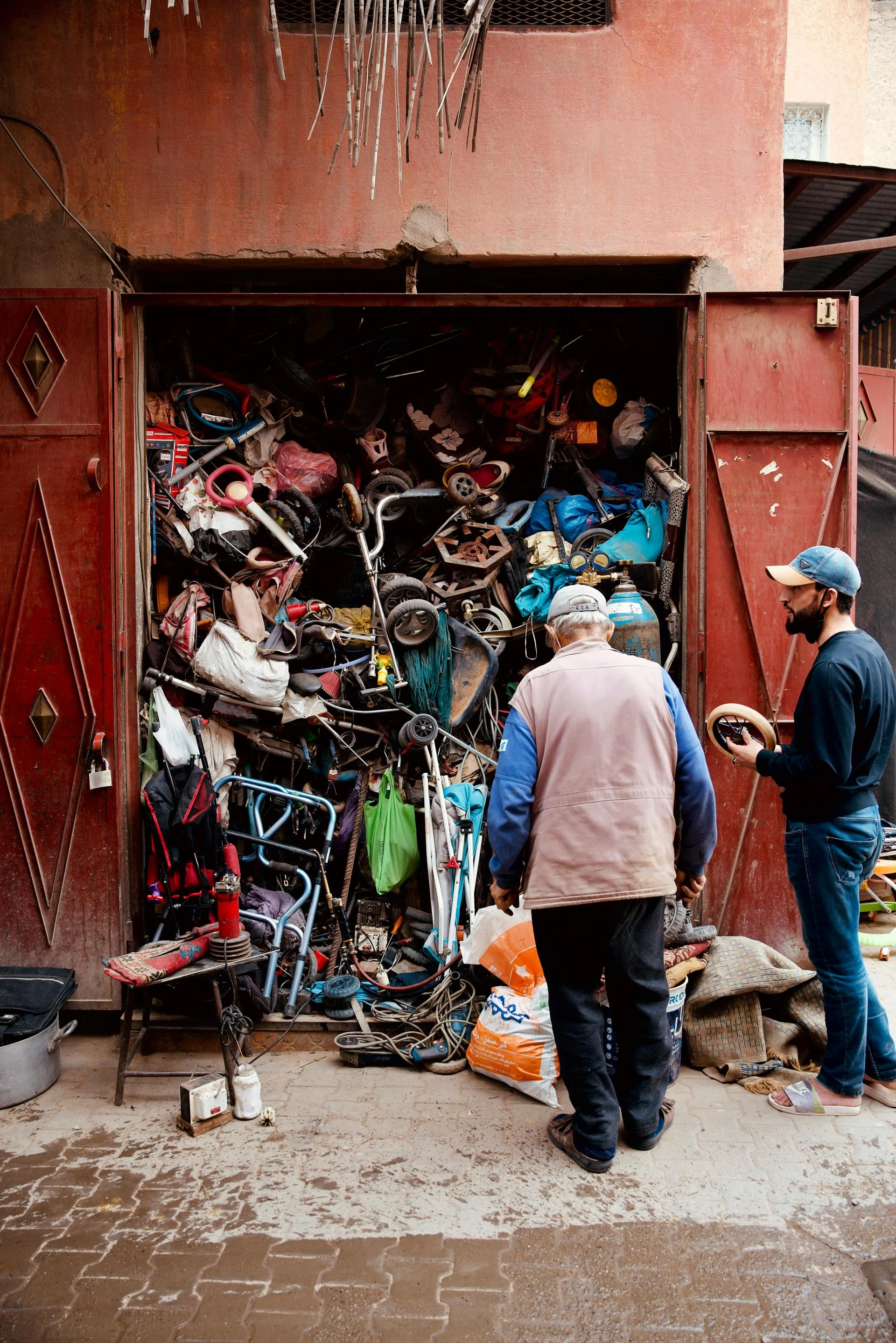
On moving day, a living room can look like an archaeological dig: a couch with a mysterious wobble, a television that has outlived three remotes, and a tangle of cords that once connected something to something else. At the office, the scene is just as familiar: aging desks, out-of-warranty computers, and pallets that multiplied in the stockroom when nobody was looking. In both places, the question is the same. When you book junk removal, what will they actually take—and what needs special handling?
What junk removal usually takes: the household edition
Most residential pickups are straightforward. Crews are set up for bulky items, mixed household loads, and donation-eligible pieces. The goal is to clear space quickly and responsibly without turning your weekend into a multi-stop errand run.
Furniture and soft goods: the “make-space-now” category
- Crews can remove sofas, sectionals, loveseats, recliners, dining tables, dressers, and bookcases as long as access is safe.
- They can take mattresses, box springs, area rugs, and headboards, and they will carry these out carefully to protect walls and doors.
- If the item can be donated, reputable teams will often separate it for reuse when the condition allows.
Appliances: heavy but manageable with the right gear
- Standard removals typically include refrigerators, freezers, washers, dryers, stoves, dishwashers, microwaves, and small kitchen appliances.
- Teams bring appliance dollies and lifting straps, which makes removal safe for both the crew and your floors.
- Working appliances may be routed to donation partners when possible, while non-working units are directed to proper recycling streams.
Yard waste and outdoor items: the post-project cleanup
- Pickups can include bagged leaves, branches, shrubs, fencing sections, weathered patio furniture, grills, and yard tools.
- Crews will stage organic waste separately from scrap metal or plastics to ensure it heads to the correct downstream facility.
- For oversized outdoor items like playsets or hot tubs, many providers offer disassembly for an additional fee.
Renovation debris: wrapping up the “last mile”
- Typical loads include drywall, lumber offcuts, cabinets, doors, trim, tiles, carpet, and padding that remain after a remodel.
- Professionals will keep job sites tidy by staging material, loading in a safe sequence, and sweeping so the area is immediately usable.
- They will separate recyclables where local facilities accept construction materials.
What junk removal usually takes
Commercial pickups focus on speed, coordination, and building compliance. The best crews understand loading-dock schedules, elevator reservations, and the need to keep operations moving while the cleanout happens.
Office furniture and fixtures: decommissioning without disruption
- Services can include disassembling and removing desks, credenzas, conference tables, cubicle panels, rolling chairs, and whiteboards.
- Crews protect lobbies, corridors, and elevators with floor and wall guards, which keep property managers happy and projects on schedule.
- Items that are suitable for reuse may be diverted for donation.
Electronics (e-waste): the responsible path for devices
- Most providers collect towers, laptops, monitors, printers, copiers, routers, and peripherals as a separate “e-waste” stream.
- Many offer basic item logging and can arrange certified recycling partners, which is helpful for compliance.
- When requested, providers can coordinate data-destruction certificates for storage devices through accredited vendors.
Retail, warehouse, and back-of-house clutter: space equals money
- Teams clear racks, fixtures, broken pallets, damaged stock, and packaging that clog receiving areas and slow inventory flow.
- Staggered pickup windows can be scheduled to avoid peak hours, which keeps your staff focused on customers and operations.
- Crews will sort cardboard and metal to simplify recycling and reduce disposal costs.
Items that are restricted or require special handling
Junk removal does not mean “anything goes.” Some materials are regulated, hazardous, or simply outside the scope of a standard truck. Knowing these categories in advance saves you time and keeps everyone safe.
Household hazardous waste: save this for designated facilities
- Wet paint, paint thinners, solvents, pesticides, and automotive fluids typically require municipal collection events or specialty drop-offs.
- Many services cannot transport these items due to local and federal regulations that govern flammability and toxicity.
- A quick call to your city or county website can reveal the nearest safe disposal option and the event calendar.
Pressurized cylinders and fuels: a hard “no” for safety reasons
- Propane tanks, oxygen cylinders, butane canisters, and fuel cans are generally excluded from standard pickups.
- These containers present explosion or fire risks if mishandled, punctured, or compacted.
- Gas suppliers and hazardous-waste facilities are the correct endpoints for safe return or disposal.
Medical, biological, and sharps waste: keep it out of the general stream
- Used needles, lancets, medical tubing, and biohazard materials cannot ride on junk trucks.
- Pharmacies, hospitals, or dedicated mail-back programs are the appropriate channels for safe handling.
- Many local health departments maintain lists of approved drop-off sites.
Asbestos, lead, and other regulated building materials: call specialists
- Older insulation, pipe wrap, floor tiles, and certain textured ceilings may contain asbestos and require licensed abatement.
- Lead-paint debris and mercury-containing devices also demand specialized protocols that standard crews cannot perform.
- If you suspect these hazards, schedule an assessment before any removal work begins.
Items that depend on condition, access, or volume
Some items are not automatically accepted or rejected. The decision depends on weight, dimensions, safety, and disposal options in your area. A couple of photos and a short description help your provider say yes—or suggest an alternative.
Pianos, safes, and oversized equipment: heavy but possible
- Very heavy items are often removable with the right manpower and equipment, but they may require a site visit and a custom quote.
- Crews will evaluate stair turns, floor load limits, and door widths before confirming the plan.
- Additional fees typically apply due to labor, rigging, or specialized dollies.
Hot tubs, sheds, and playsets: disassembly may be required
- These structures are removable when crews can safely break them down and stage components for hauling.
- Access, electrical disconnects, and water lines need to be addressed in advance.
- Pricing will reflect the extra time and disposal volume.
Large piles of dirt, concrete, or roofing: check the load rules
- Many providers handle these “heavy debris” materials, but trucks have weight limits that cap how much can go at once.
- Some cities require disposal tickets or route these items through specific facilities, which can affect pricing and scheduling.
- Expect a per-yard or per-ton charge and possibly multiple trips.
How booking, pricing, and pickup usually work
A smooth experience follows a simple rhythm: share details, set a window, and confirm on site. Clarity up front helps the crew arrive prepared and helps you avoid last-minute surprises.
Estimates and scope: set expectations in minutes
- Providers can give ballpark estimates from photos and a short list describing items, access, stairs, and parking.
- Pricing often depends on how much of the truck your load occupies, with surcharges for unusually heavy material or complex disassembly.
- Written estimates or text confirmations help keep everyone aligned.
Scheduling and arrival windows: match the day to your calendar
- Home pickups often happen in evening or weekend windows so decision-makers can be present.
- Office cleanouts are scheduled around building hours, dock reservations, and elevator bookings to reduce disruption.
- Crews will text or call ahead and then start with a quick walkthrough on arrival.
On-site process and finish: safe, tidy, and fast
- Teams protect floors and doorways, then remove items in a sequence that keeps corridors clear and neighbors happy.
- They separate donation-eligible items and recyclables when possible, and they do a final sweep so the space is immediately usable.
- At the end, they confirm the final volume and price before processing payment.
How to prepare: quick steps that save time and money
A little prep goes a long way. These simple actions make the day smoother for you and faster for the crew, which can shorten the visit and keep costs predictable.
Five smart prep moves
- Label the obvious “go” items so decisions do not need to be remade at the doorway.
- Group small, loose items into boxes or bags so they can be moved safely and efficiently.
- Clear pathways and measure tight corners so large pieces do not stall at the first turn.
- Reserve a parking spot or loading area close to the door to shorten carries and protect your building.
- Set aside anything hazardous or restricted so it does not get mixed into the main load.
Savannah-specific tips: timing, weather, and buildings
Every city has quirks. In Savannah and coastal Georgia, humidity, historic buildings, and sudden storms can influence how and when you schedule your pickup.
Plan for the local rhythm
- In historic homes, narrow staircases and delicate plaster mean crews should plan extra protection and time.
- Afternoon pop-up storms can complicate outdoor pickups, so morning windows often work best in summer.
- If you live in a building with a shared elevator or in a district with strict curb rules, secure approvals and time slots in advance.
Book confidently and keep it responsible
A good provider will tell you clearly what rides on the truck, what gets donated or recycled, and what needs another path. Your role is simple. Share photos, be honest about access, and flag anything unusual before the crew arrives.
When those pieces are in place, junk removal becomes a painless exchange: you trade clutter for calm, and your home or workplace gets back to the business of being useful.


























Sign in to leave a comment.