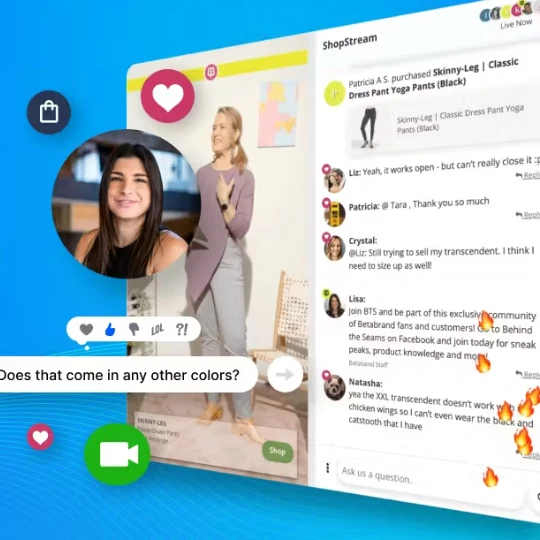

The e-commerce landscape is evolving rapidly, and Shopify merchants are exploring new ways to connect with customers. One of the most exciting innovations in recent years is live streaming shopping—a method where sellers broadcast in real-time, showcasing products, engaging with audiences, and facilitating instant purchases. But can this approach truly replace traditional online shopping? Let’s dive in.
The Rise of Live Streaming in E-Commerce
Live shopping platform has been a game-changer in markets like China, where platforms like Taobao Live have revolutionized the shopping experience. On Shopify, live shopping integrates similar concepts, allowing store owners to demonstrate products, answer questions instantly, and create a sense of urgency through limited-time offers. Unlike standard e-commerce, which relies on static images and product descriptions, live streaming offers real-time interaction that builds trust and excitement.
Interactive Shopping Experience
One key advantage of Shopify live streaming is the interactive experience it provides. Customers no longer passively scroll through product pages—they can ask questions, request demonstrations, and get immediate answers. This interaction mimics an in-store shopping experience, giving customers confidence in their purchase decisions. Additionally, live streaming encourages community-building, where viewers feel part of an exclusive event, fostering brand loyalty.
Real-Time Urgency and Sales Boost
Live streaming also introduces a sense of urgency that traditional online shopping often lacks. Limited-time discounts, flash deals, and live-only offers can drive impulse purchases and increase conversion rates. Shopify merchants leveraging live shopping report higher engagement, longer viewing times, and better sales performance. Traditional e-commerce stores typically struggle to replicate this level of excitement, as standard websites rely on passive browsing rather than active participation.
Limitations of Live Shopping
Despite its benefits, live streaming is unlikely to completely replace traditional online shopping. Not every product or audience suits live selling—high-value items, complex services, or products requiring detailed comparison may still perform better in a traditional format. Additionally, live streaming demands preparation, technical setup, and a host who can engage effectively with viewers. Smaller businesses may find these requirements challenging to maintain consistently.
Complementing Traditional E-Commerce
Instead of viewing live streaming as a replacement, Shopify merchants should consider it a powerful complement to their existing online stores. Combining live sessions with traditional product pages allows customers to research products in-depth after seeing them demonstrated. Live shopping can drive awareness, engagement, and initial interest, while the traditional store ensures accessibility and convenience for more deliberate buyers.
The Future of Online Shopping
The future likely lies in a hybrid shopping model. Shopify live streaming is reshaping how consumers interact with brands, bringing energy, immediacy, and personalization to the forefront. While it may not fully replace traditional online shopping, it certainly redefines expectations for engagement and experience. Brands that embrace both approaches will have the advantage of capturing a wider audience and delivering a richer, more immersive shopping journey.
Conclusion
Live streams on Shopify is more than a trend—it’s a transformative tool that enhances customer interaction and boosts sales. While traditional online shopping remains essential for detailed browsing and convenience, live streaming introduces a dynamic, interactive element that elevates the e-commerce experience. The key is integration: brands that seamlessly combine live engagement with traditional shopping channels are likely to lead the future of online retail.


























Sign in to leave a comment.