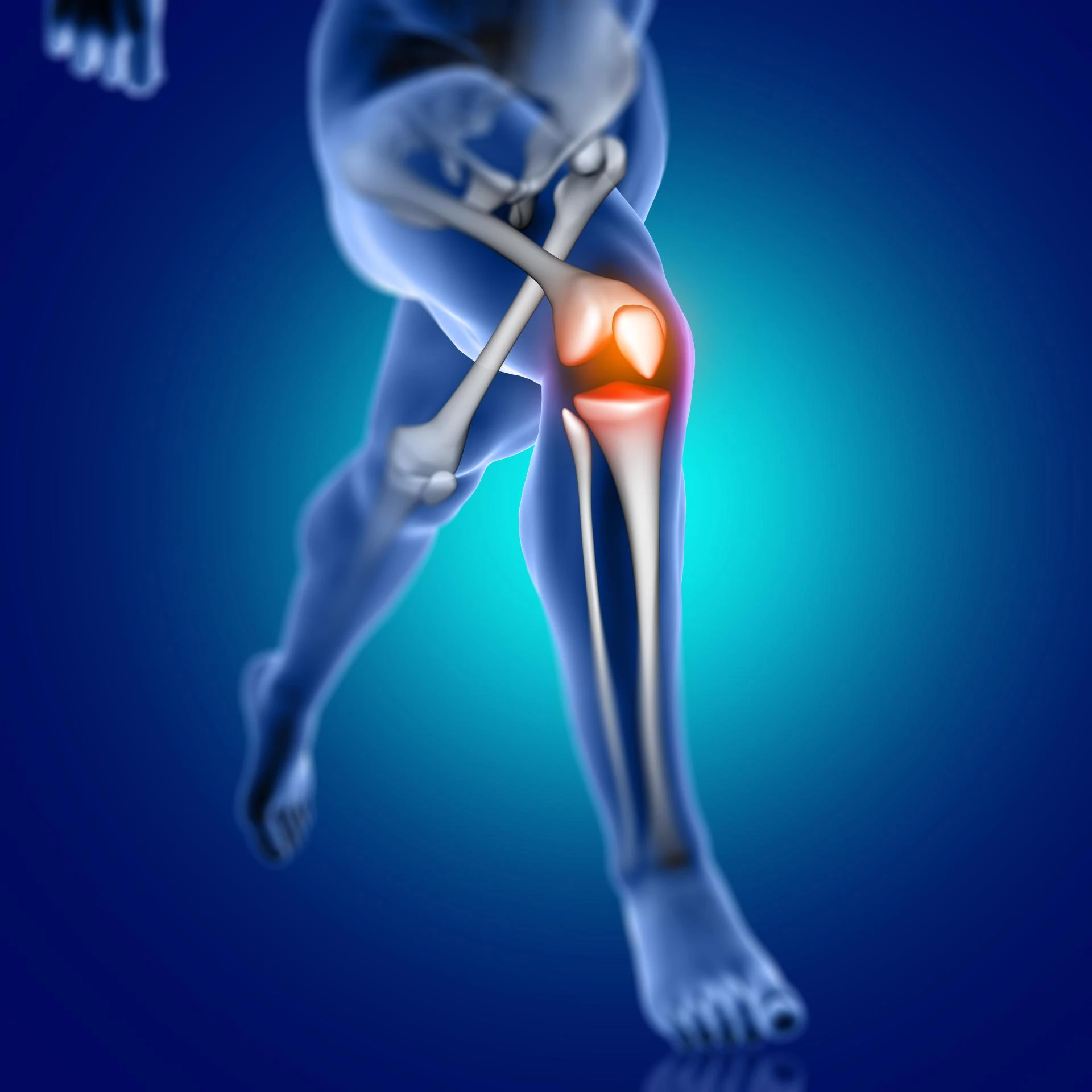

Ligament injuries are common. They can happen during sports, workouts, accidents, or even from daily activities like slipping or twisting the wrong way. When a ligament is injured, recovery can feel slow and frustrating. This is why many people look for supplements that may support faster healing. One nutrient that often comes up in this discussion is Vitamin C.
So, can Vitamin C supplements really help speed up ligament healing? Let’s break it down in simple terms.
Understanding Ligaments and Healing
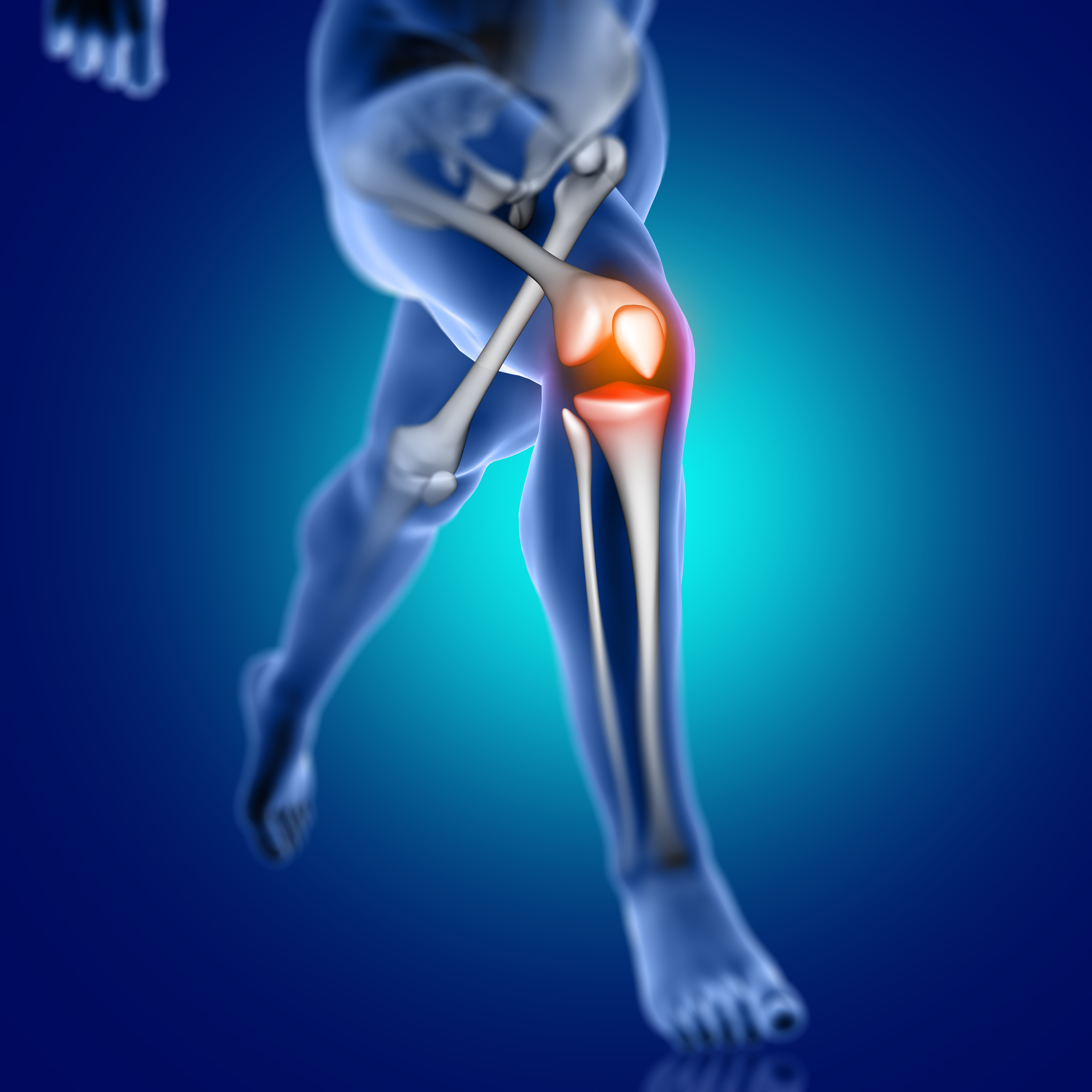
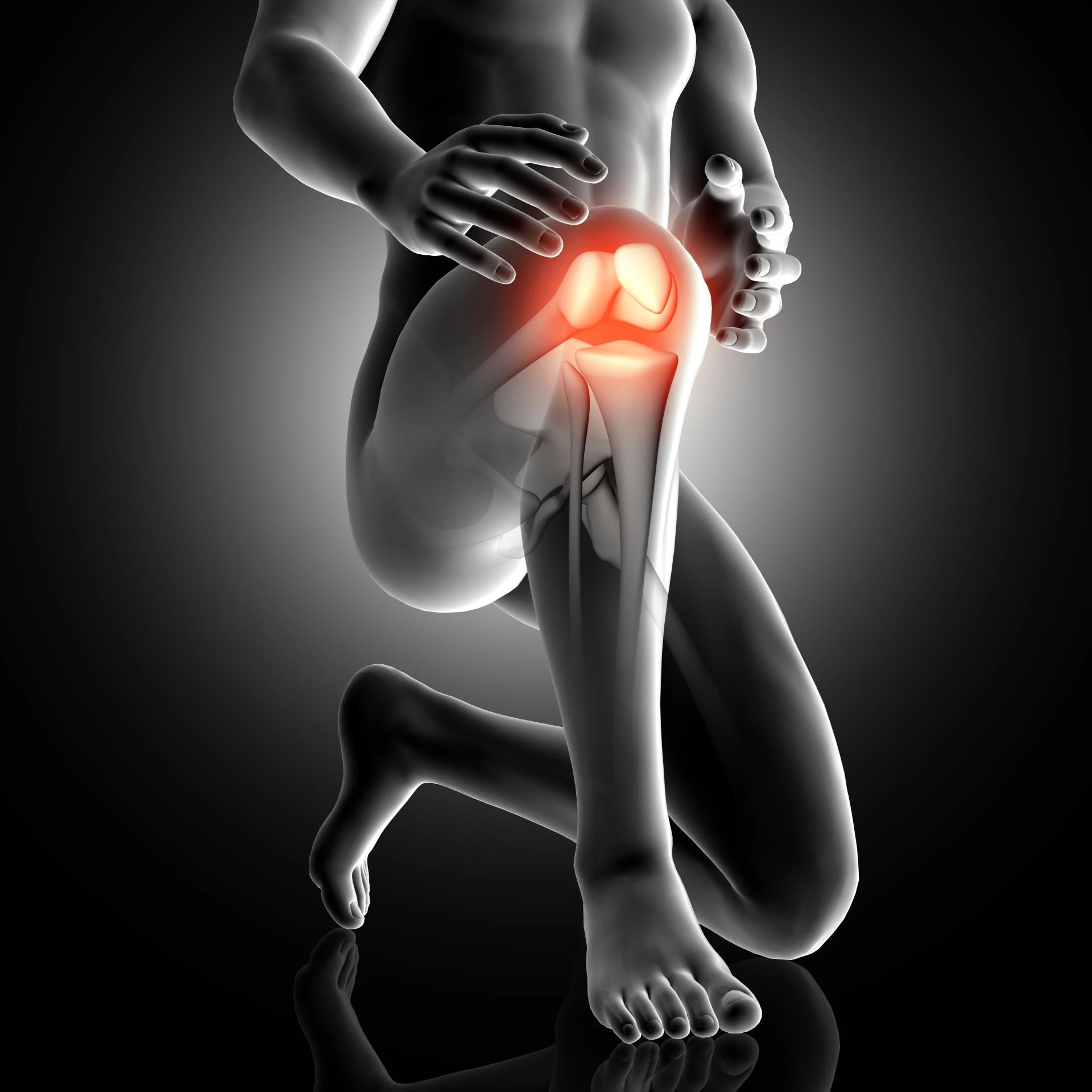
Ligaments are strong bands of tissue that connect bones to each other. They help stabilize joints like the knee, ankle, shoulder, and wrist. When a ligament is stretched or torn, the body needs time to repair the damaged fibers.
Healing happens in stages:
- Inflammation – swelling and pain right after injury
- Repair – the body rebuilds damaged tissue
- Remodeling – the ligament slowly becomes stronger
Nutrition plays a big role during the repair and remodeling stages. This is where Vitamin C becomes important.
Why Vitamin C Matters for Ligament Health
Vitamin C is best known for boosting immunity, but its role goes far beyond fighting colds. One of the key vitamin C benefits is its involvement in collagen production.
Collagen is the main protein found in ligaments, tendons, skin, and connective tissues. Without enough Vitamin C, the body cannot properly form or repair collagen fibers. This means healing can be slower and tissues may remain weak.
In simple words, Vitamin C helps “glue” ligament fibers back together.
How Vitamin C Supports Ligament Healing
Here are the main ways Vitamin C helps injured ligaments recover:
1. Supports Collagen Formation
Vitamin C is essential for making new collagen. When you take it as part of a tendon ligament supplement, it helps your body rebuild damaged ligament fibers more effectively.
2. Reduces Oxidative Stress
Injuries create inflammation and oxidative stress in the body. Vitamin C is a powerful antioxidant that helps neutralize harmful molecules, allowing the healing process to move forward smoothly.
3. Helps Tissue Repair
Vitamin C supports wound healing by helping cells grow and repair themselves. This is important not only for skin injuries but also for internal connective tissues like ligaments.
4. May Reduce Healing Time
While Vitamin C alone is not a miracle cure, studies suggest that adequate intake may support faster recovery when combined with proper rest, physiotherapy, and overall nutrition.
Is Vitamin C Alone Enough?
This is an important point. Vitamin C works best when it is part of a complete tendon ligament supplement formula. Ligament healing requires several nutrients, including:
- Protein and amino acids
- Zinc and copper
- Magnesium
- Collagen or gelatin
- Omega-3 fatty acids
Vitamin C acts like a “helper nutrient.” It improves how well the body uses other building blocks needed for repair. Taking it alone is helpful, but combining it with other supportive nutrients gives better results.
Vitamin C From Food vs Supplements
You can get Vitamin C from foods like:
- Oranges and lemons
- Amla (Indian gooseberry)
- Kiwi
- Bell peppers
- Strawberries
However, during injury recovery, the body’s demand for Vitamin C increases. This is why many doctors and nutritionists recommend supplements to ensure consistent intake.
A good tendon ligament supplement often includes Vitamin C in a dose that supports healing without overloading the body.
How Much Vitamin C Is Safe?
For general health, moderate doses of Vitamin C are enough. During injury recovery, slightly higher doses may be recommended, but more is not always better. Excessive Vitamin C can cause stomach upset or digestive issues in some people.
It’s always best to:
- Follow recommended dosages
- Choose high-quality supplements
- Consult a healthcare professional if you have medical conditions
Who Can Benefit the Most?
Vitamin C supplements may be especially helpful for:
- Athletes and active individuals
- People recovering from ligament sprains or tears
- Older adults with slower tissue repair
- Individuals with poor dietary intake
Because of its wide range of vitamin C benefits, it supports not just ligaments but overall joint and connective tissue health.
Final Thoughts
So, can Vitamin C supplements speed up ligament healing? The short answer is: they can support the process, but they are not a magic fix.
Vitamin C plays a crucial role in collagen formation, tissue repair, and reducing oxidative stress. When used as part of a well-balanced tendon ligament supplement, it can help the body heal more efficiently and strengthen connective tissues over time.
For best results, combine Vitamin C supplementation with proper rest, guided physiotherapy, hydration, and a nutrient-rich diet. Healing takes patience, but giving your body the right nutritional support can make the journey smoother and more effective.






























Sign in to leave a comment.