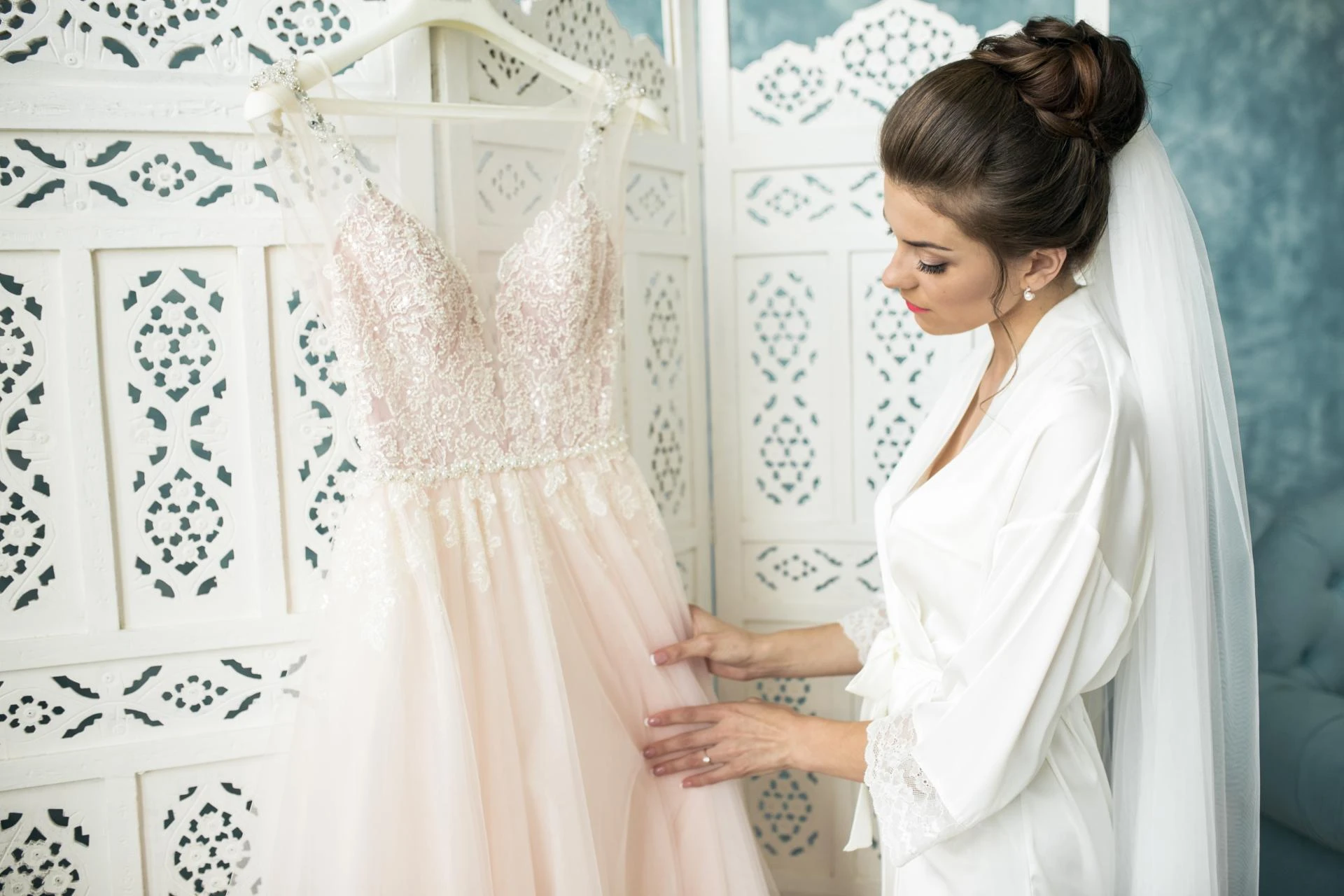

Introduction: When a Full Closet Feels Empty
Open your wardrobe on a typical morning and you’ll probably recognize the feeling: hangers packed tight, shelves stacked high — yet somehow nothing feels right to wear.
Modern fashion moves faster than ever. Trends change weekly, social feeds showcase endless outfit inspiration, and many of us accumulate pieces that look exciting individually but don’t function together. The result isn’t abundance — it’s decision fatigue.
A versatile wardrobe isn’t about owning more clothes. It’s about owning clothes that cooperate.
Instead of chasing trends or decluttering every season, a smarter approach is building a wardrobe ecosystem: a small collection of well-considered pieces that mix effortlessly, adapt across occasions, and reflect who you are.
Below is a practical guide to creating outfits you’ll actually wear — without constantly buying more.
Why Most Closets Feel Full But Have Nothing to Wear
The problem usually isn’t quantity — it’s compatibility.
Many wardrobes are built through emotional purchases:
- A dress bought for one event
- A top loved in the store but hard to pair
- A trend item worn twice
- Multiple “almost matches”
These pieces live side-by-side but don’t work together. Think of it like owning puzzle pieces from different puzzles — you technically have many pieces, but no complete picture.
Common causes:
1. Occasion-based buying
We shop for moments, not lifestyles. Real wardrobes need weekday outfits, errands outfits, relaxed evenings, and semi-polished looks — not just special-occasion clothing.
2. Trend over function
If every item is a statement piece, nothing becomes wearable daily.
3. Lack of color strategy
Clothes match best when chosen within a palette. Random colors reduce outfit combinations dramatically.
4. Duplicate silhouettes
Five similar tops still equal one type of outfit.
The fix isn’t minimalism — it’s coordination.
Understanding Wardrobe Foundations
A functional wardrobe is structured in layers, not categories.
Instead of thinking: tops, dresses, pants, think:
1. Core Basics
Neutral, adaptable pieces worn weekly.
2. Outfit Builders
Items that add personality but still combine easily.
3. Accent Pieces
Statement items worn occasionally.
Most people overbuy the third category and underbuild the first.
When browsing collections like womens Clothing store ireland, notice how outfits are styled — rarely around one dramatic item, but around simple, repeatable foundations.
Your wardrobe should behave the same way: outfits built from reliable anchors, not individual heroes.
The Essential Pieces Every Woman Needs
A versatile wardrobe isn’t universal, but certain roles appear in almost every functional closet.
Everyday Tops (5–7 pieces)
These carry most of your outfit rotation. The key is variety in structure, not print.
Include:
- A fitted neutral tee
- A relaxed tee
- A structured blouse
- A lightweight layering top
- A slightly elevated everyday top
When selecting womens tops online ireland, prioritize sleeve shapes and fabric weight rather than bold patterns — these determine how many outfits you can build.
Dresses That Work Beyond Events (2–4 pieces)
The mistake: buying dresses for occasions.
The smarter move: buying dresses for adaptability.
Choose dresses that can be:
- casual with trainers
- polished with boots
- layered with knitwear
Browsing women dresses online ireland is useful for spotting cuts that transition between seasons rather than staying locked into one context.
Reliable Bottoms (3–5 pieces)
Bottoms define practicality more than any other category.
You only truly need:
- One relaxed trouser
- One structured trouser
- One denim option
- One comfort-fit piece
When evaluating Women Trousers store ireland, think about movement — sitting, walking, commuting — not just silhouette.
Knitwear Layers (2–4 pieces)
Layers multiply outfits more than buying more clothes ever will.
Explore a women jumpers store ireland mindset: different warmth levels rather than different colors. A lightweight knit and a chunky knit function as separate tools.
How to Mix & Match Outfits Efficiently
Outfit versatility comes from predictable formulas.
The Rule of Three
Every outfit works when composed of:
- Base (top or dress)
- Structure (bottom or layer)
- Texture (knit, jacket, accessory)
Example rotation from five tops + three bottoms:
5 × 3 = 15 outfits
Add 2 layers → 45 outfits
You don’t need more clothes — you need interaction between them.
Build a Color System
Pick:
- 2 neutrals (e.g., black + beige)
- 1 anchor color (navy, olive, chocolate)
- 1 accent color (seasonal)
Every new item must match at least two existing items.
This single rule eliminates 80% of unworn purchases.
Outfit Planning Trick: The “Two Match Rule”
Before buying anything, mentally pair it with:
- one existing bottom
- one existing layer
If you can’t, it’s not versatile — it’s decorative.
Seasonal Layering Strategies
Layering isn’t about warmth — it’s about extending wardrobe life.
Spring & Autumn
Light knit over dress
Shirt under jumper
Blazer over tee
Winter
Dress + tights + knit
Tee + jumper + coat
Layered textures create visual interest without new clothing.
Summer
Lightweight overshirt replaces jacket
Sleeve rolling replaces outfit change
Fabric weight matters more than style
Instead of buying seasonal wardrobes, adapt the same pieces.
The most functional wardrobes change appearance, not content.
Smart Shopping Habits (Avoid Impulse Buying)
The difference between a stylish wardrobe and a crowded one is rarely budget — it’s timing.
Use the 48-Hour Rule
If you still imagine 3 outfits after two days, the piece is functional.
Replace Categories, Not Moods
Never buy because:
- you’re bored
- it’s trending
- it’s discounted
Buy because a category is missing.
Track Cost-Per-Wear
A frequently worn simple item often outperforms special pieces dramatically.
Shop with a List
Before browsing:
Write the outfits you cannot currently build.
Then search for solutions — not inspiration.
Building Confidence Through Personal Style
Confidence doesn’t come from more options — it comes from predictability.
When your wardrobe works together:
You dress faster
You second-guess less
You repeat outfits comfortably
Personal style emerges not from experimentation alone, but from repetition. Wearing variations of outfits you enjoy teaches your brain what feels authentic.
A versatile wardrobe isn’t restrictive — it’s freeing.
You stop managing clothes and start expressing yourself.
And ironically, the moment you buy less…
You start liking what you wear more.
Conclusion
The goal of a great wardrobe isn’t variety — it’s reliability.
When pieces combine easily, mornings become simpler, decisions lighter, and style more consistent. Instead of constantly refreshing your closet, you refine it.
You don’t need fewer clothes.
You need clothes that understand each other.

























Sign in to leave a comment.