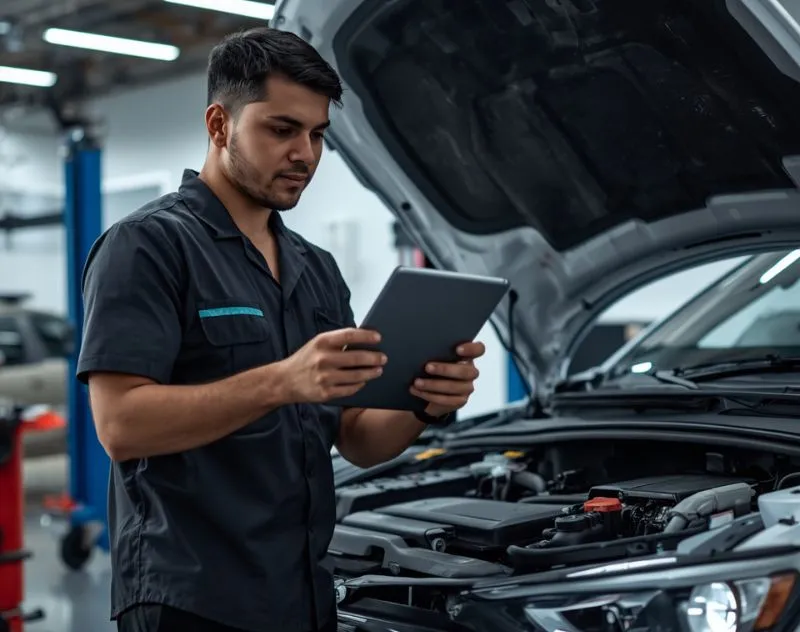
Buying a used car can save money, but hidden mechanical problems often lead to expensive repairs later. Many buyers focus only on price, mileage, or appearance and forget the importance of a proper car inspection service. A detailed inspection helps identify problems before you commit to the purchase.
Modern vehicles are complex. Even a car that looks clean from the outside may have engine damage, suspension wear, electrical faults, or accident history. This is why experienced buyers never skip a professional inspection.
This guide explains important facts about inspections, what professionals look for, and how a vehicle check before buying helps reduce future repair costs.
Why a Car Inspection Service Matters
A professional car inspection service gives buyers a clear picture of a vehicle’s actual condition. It helps you make decisions based on facts instead of assumptions.
Small issues can become major repair bills if they are ignored. A leaking gasket, worn brakes, or weak transmission may not show obvious signs during a short test drive. Inspectors use proper tools and experience to detect these hidden problems early.
An inspection also provides negotiation power. If problems are found, buyers can request repairs, negotiate the price, or avoid the purchase completely.
Common Problems Found During Inspections
Many used vehicles have issues that sellers may not notice or mention. Professional inspections often reveal problems such as:
Engine Leaks
Oil leaks are common in older vehicles. Small leaks may look harmless but can damage engine parts over time. Repairing severe engine problems is expensive, especially if internal damage develops.
Brake Wear
Brake pads and rotors wear naturally. However, uneven wear can signal suspension or alignment problems. Weak brakes also reduce driving safety.
Suspension Damage
Rough roads and poor maintenance can damage shocks, struts, and control arms. Suspension repairs are often costly and affect handling quality.
Transmission Issues
Transmission repairs are among the most expensive vehicle repairs. Delayed gear changes, slipping, or strange noises are warning signs inspectors carefully examine.
Accident Repairs
A car may look fine after repairs, but hidden structural damage can still exist. Inspectors check for welding marks, repainting, uneven gaps, and frame damage.
A Vehicle Check Before Buying Helps Reduce Risk
A vehicle check before buying is one of the smartest steps for used car buyers. It helps reduce uncertainty and prevents emotional buying decisions.
Some buyers skip inspections because the car appears clean or the seller seems trustworthy. Unfortunately, appearance does not always reflect mechanical condition.
Professional inspectors examine:
- Engine performance
- Fluid conditions
- Brake systems
- Suspension components
- Tire wear patterns
- Battery condition
- Electrical systems
- Accident history signs
This process gives buyers confidence before finalizing the deal.
Warning Signs Buyers Often Miss
Many costly repairs begin with small warning signs. Experienced inspectors notice details that regular buyers may overlook.
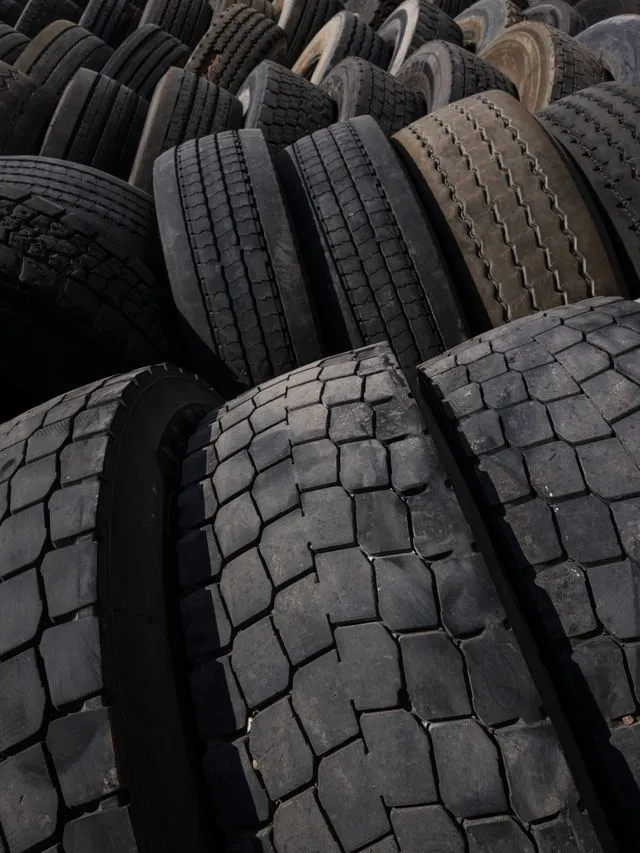
Uneven Tire Wear
Uneven tire wear usually points to alignment or suspension issues. These problems may affect steering stability and tire lifespan.
Strange Engine Sounds
Ticking, knocking, or rattling sounds can indicate serious engine wear. Early detection helps buyers avoid future breakdowns.
Smoke From Exhaust
Different smoke colors can signal different problems. Blue smoke often means oil burning, while white smoke may indicate coolant leaks.
Dashboard Warning Lights
Some sellers temporarily clear warning lights before selling a vehicle. Inspectors use diagnostic scanners to check hidden fault codes.
The Real Cost of Skipping Inspections
Many buyers try to save money by avoiding inspection costs. However, skipping a car inspection service often results in much higher expenses later.
A low-cost used car may require:
- Engine repairs
- Transmission replacement
- Suspension rebuilds
- Brake system repairs
- Electrical troubleshooting
These repairs can quickly exceed the money saved during purchase.
Paying for an inspection before buying is usually far cheaper than repairing hidden problems afterward.
What Professionals Look for During an Inspection
A quality inspection follows a detailed process. Experienced technicians evaluate both visible and hidden components.
Exterior Inspection
Inspectors check body panels, paint consistency, rust, glass condition, and signs of accident repairs.
Interior Inspection
Seats, dashboard electronics, infotainment systems, air conditioning, and warning lights are tested carefully.
Underbody Inspection
The underbody often reveals leaks, rust, and structural damage. Many serious problems are easier to spot underneath the vehicle.
Road Test
A test drive helps inspectors evaluate steering response, braking, acceleration, transmission behavior, and unusual noises.
Diagnostic Scan
Modern vehicles store fault codes electronically. Diagnostic tools help identify problems not visible during a physical inspection.
How Often Cars Hide Previous Damage
Accident history is more common than many buyers realize. Some repairs are cosmetic and harmless, while others affect safety and long-term reliability.
A professional car inspection service can identify:
- Replaced body panels
- Paint overspray
- Chassis repairs
- Water damage
- Flood exposure
- Structural repairs
These findings help buyers avoid unsafe vehicles or overpriced listings.
Vehicle Check Before Buying for Private Sellers
Private sales usually involve fewer legal protections than dealership purchases. This makes a vehicle check before buying even more important.
Some private sellers may honestly describe the car, while others may not know the full condition themselves.
An independent inspection provides an unbiased assessment and helps prevent disputes later.
Digital Reports Improve Buyer Confidence
Modern inspection companies now provide detailed digital reports with photos and technician notes. These reports are useful because they clearly document the vehicle’s condition.
A good report typically includes:
- Mechanical findings
- Safety concerns
- Repair estimates
- Photos of damaged areas
- Diagnostic results
This information helps buyers compare vehicles more confidently.
Older Cars Need Extra Attention
Older vehicles often develop wear in multiple systems at the same time. Age-related issues may include:
- Rubber seal deterioration
- Cooling system wear
- Rust development
- Suspension fatigue
- Electrical failures
A detailed car inspection service becomes even more important when buying vehicles over five years old.
Inspection Timing Matters
The best time for an inspection is before payment or contract signing. Some buyers make the mistake of arranging inspections after completing the purchase.
Once ownership changes, repair costs usually become the buyer’s responsibility.
Scheduling the inspection early allows time for price negotiation or reconsideration.
Choosing the Right Inspection Service
Not all inspection providers offer the same quality. Buyers should look for inspectors with experience, transparent reporting, and strong customer feedback.
A reliable inspection service should provide:
- Clear communication
- Detailed reports
- Mechanical expertise
- Diagnostic scanning
- Road testing
- Honest recommendations
Avoid services that offer very quick inspections without detailed evaluation.
FAQ
How long does a car inspection service take?
Most inspections take between one and three hours, depending on vehicle condition and inspection depth.
Is a vehicle check before buying necessary for newer cars?
Yes. Even newer cars may have accident damage, poor repairs, or hidden mechanical problems that are not immediately visible.
Can inspections help negotiate car prices?
Yes. Inspection reports often help buyers negotiate repairs or lower prices based on verified issues.
Conclusion
A professional car inspection service helps buyers avoid expensive surprises after purchasing a used vehicle. Hidden problems are common, even in cars that appear clean and well-maintained. A proper vehicle check before buying provides valuable information about safety, mechanical condition, and future repair risks.
Taking time for a detailed inspection can save thousands in repair costs and help buyers make more confident decisions.
If you are planning to buy a used vehicle, consider arranging a trusted inspection before finalizing the deal. A small inspection cost today can help prevent major repair expenses later.






















Sign in to leave a comment.