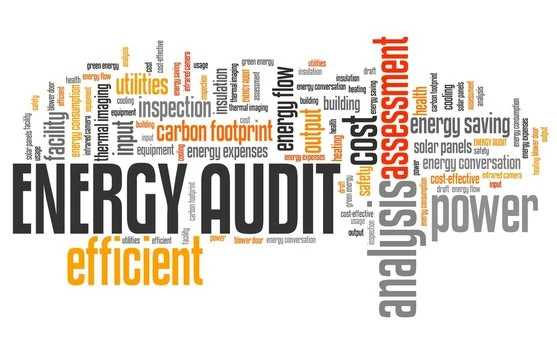
Many businesses want to lower their energy use. Some want to cut costs. Others want to reduce their environmental impact. An energy audit helps with both. It shows where energy is wasted and where changes can make a real difference. It also gives companies a clear plan they can follow without confusion.
Why audits matter for long term planning
Most workplaces use more energy than they realise. Offices leave lights on. Machines run longer than needed. HVAC systems run at full power even when the building is almost empty. An energy efficiency audit helps you see these gaps. It also explains the practical steps you can take to fix them. The goal is not to force major upgrades. The goal is to give you a clear picture of what is happening so you can make informed choices.
Many companies delay this work because they assume it will be expensive or complicated. In reality, most audits start with simple checks. They review lighting, heating, cooling, insulation, and equipment run time. Small adjustments often create the biggest changes.
How audits support carbon reduction
Carbon reduction starts with understanding your energy footprint. Some businesses focus only on emissions reports. But those numbers alone do not show why energy is being used or wasted. An audit brings clarity. It explains where energy demand comes from and how daily habits affect it.
This matters for long-term goals. If a business wants reliable plans for Corporate Carbon Management, it first needs accurate data. Audits gather real details from your systems, not estimates. This helps you create strategies that actually work.
What happens during an audit
Most audits follow a simple process that includes three main steps.
Step one
A walk-through of your space. The auditor checks how energy flows in your building. They look at your lighting and the pattern of usage. They also check the condition of HVAC units. This step finds the basic issues.
Step two
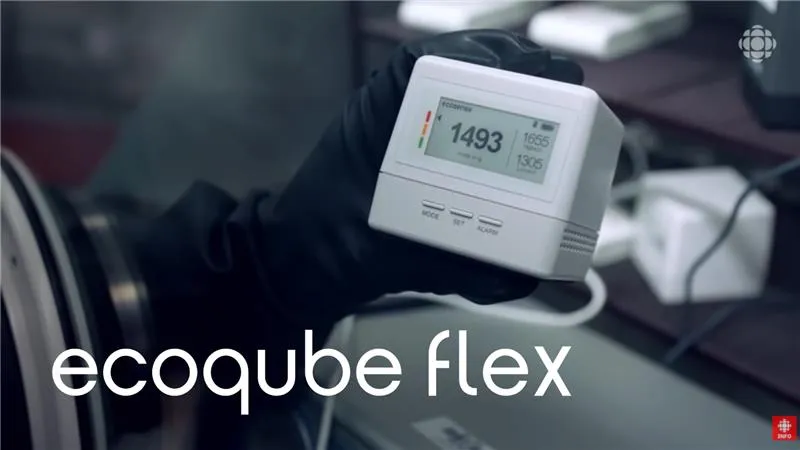
A deeper check using data. Energy bills, meter readings, and equipment records show trends. This helps find seasonal changes, wasted energy, and system pressure points. It also shows if certain areas use more power than expected.
Step three
A report with clear action points. This is the part most businesses find helpful. The report lists simple fixes and long term upgrades. It explains which changes bring quick savings and which ones need planning. It also gives estimated costs and benefits so there is no guesswork.
Common issues audits uncover
Poor insulation
Many buildings lose heat through walls, roofs, or windows. Good insulation reduces this loss.
Inefficient lighting
Old bulbs and poor layout make lights use more power than needed. LED replacements fix most of this.
HVAC imbalance
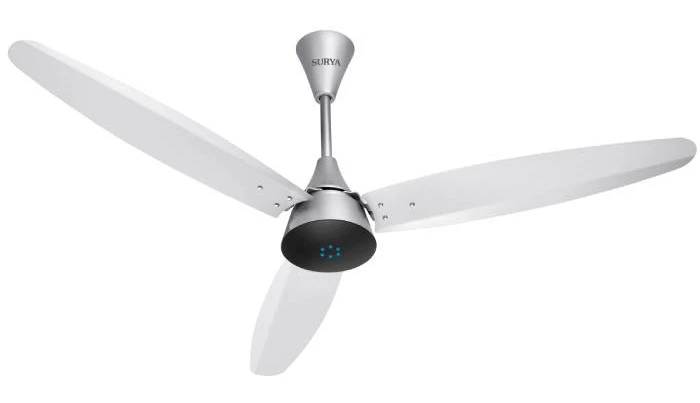
Heating and cooling systems often run at full power even when rooms are empty. Smart controls improve this.
Equipment running off hours
Computers, machines, or appliances often stay on overnight. Simple habits or timers can reduce this waste.
The benefits for your business
Audits are practical. They help with cost savings and long term planning. They also remove guesswork from your sustainability efforts. When you understand where energy is being used, it becomes easier to control it. This makes your future decisions more confident and efficient.
Audits also support better workplace comfort. Balanced temperatures, good lighting, and stable systems make daily operations smoother. Employees feel better when the work environment is steady. It also reduces the chance of equipment failure because systems are monitored more often.
Turning audit results into action
The next step after an audit is to plan. Most businesses start with small changes. These include adjusting thermostats, improving lighting, and fixing insulation gaps. Over time, they move to upgrades with higher impact. This includes new systems, automated controls, or renewable energy solutions.
The key is to follow the report, review progress, and make updates. This keeps your energy performance stable and predictable. It also helps your carbon reduction targets stay on track.
Energy audits help companies understand their real energy use and make simple improvements that add up over time. They also help build stronger carbon strategies without confusion or guesswork. When businesses want support, they can rely on EMC2 Ltd for clear guidance and honest solutions that fit their goals.




















Sign in to leave a comment.