Cardboard packing boxes are essential tools in storage, shipping, moving, and commercial packaging. From small parcel deliveries to industrial-scale relocations, these boxes offer structure, protection, and sustainability. In this guide, we’ll explore the different types of cardboard boxes, their materials, sizes, and applications. Whether you're sending e-commerce goods, organising documents, or moving house, choosing the right box matters.
You’ll also find practical advice on box strength, eco-friendly packaging options, custom printing, postal sizing guidelines, and where to buy quality cardboard boxes. This comprehensive guide is crafted to meet the needs of individuals, businesses, and anyone dealing with packing or transport.
What Are Cardboard Packing Boxes?
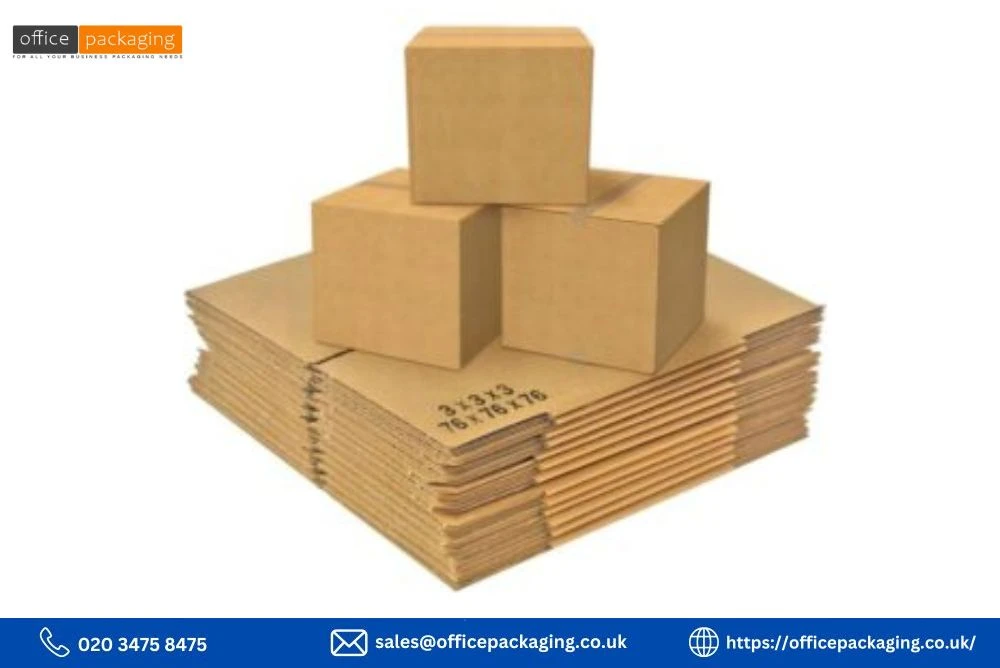
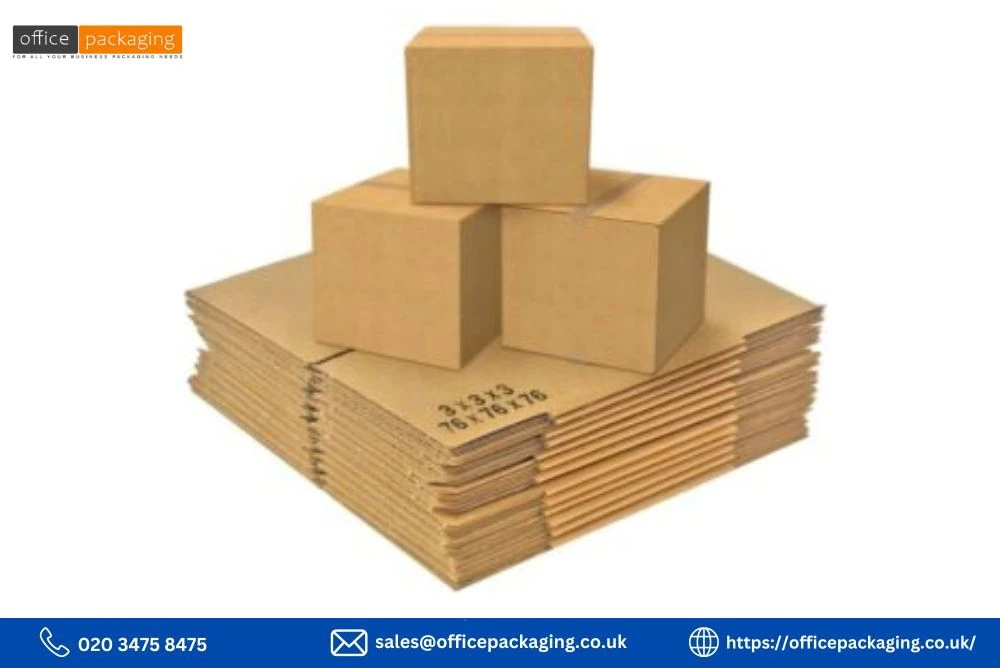
Cardboard packing boxes are lightweight yet durable containers primarily made from corrugated cardboard or paperboard, used for storage, shipping, and packaging a wide variety of goods.
A Quick Overview of Cardboard Boxes
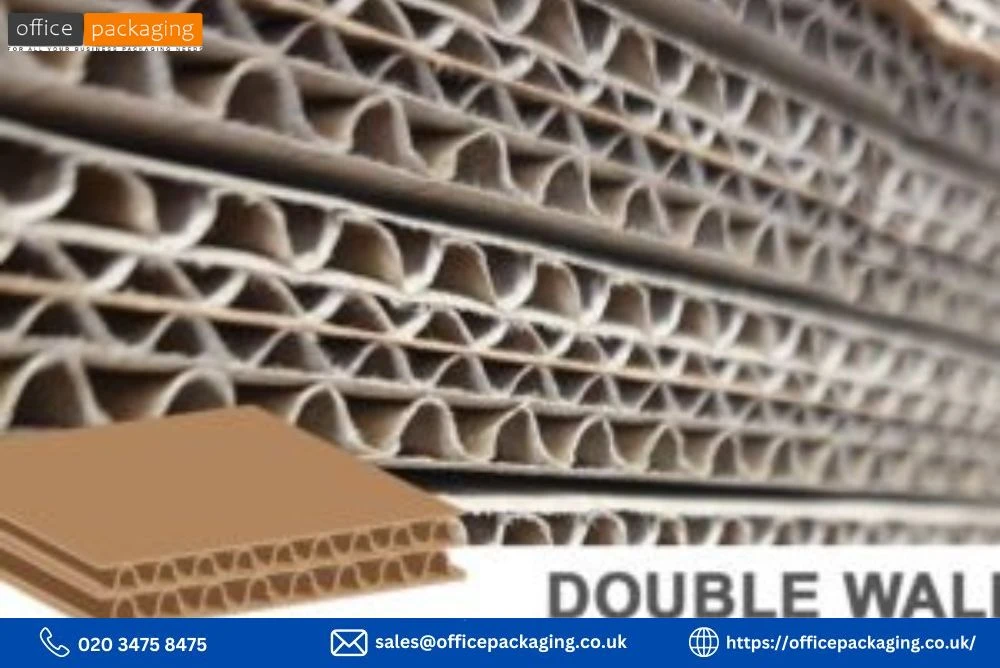
Cardboard boxes are typically crafted from corrugated cardboard – a fluted sheet sandwiched between two liner boards. This structure gives them strength and resilience while keeping them light. Another common type is paperboard, often used in lighter applications like cereal boxes or retail packaging.
When it comes to sturdiness, single wall cardboard boxes are standard for lightweight items, while double wall cardboard boxes add an extra layer of durability for heavier or more fragile loads. Both types are essential in domestic, commercial, and industrial logistics.
Common Uses for Cardboard Packing Boxes
Cardboard boxes are incredibly versatile. They’re widely used in home and office removals for securely moving belongings. In the e-commerce world, they're essential for postal deliveries, especially with formats like Letter Size PIP Boxes (Royal Mail) and Small Parcel Boxes designed to optimise postage rates.
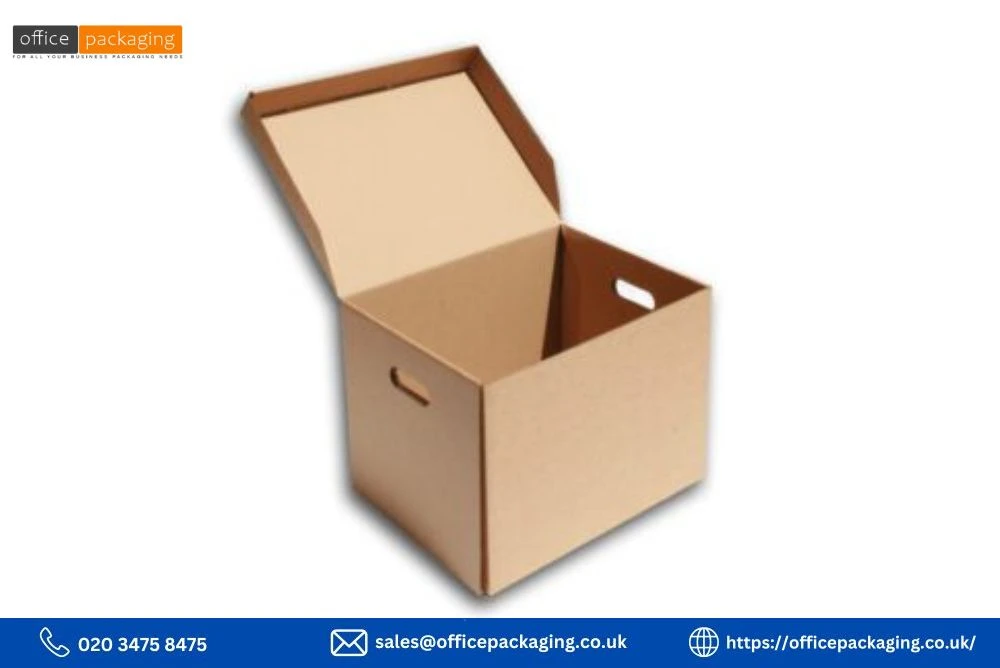
Archiving is another major use, with archive boxes keeping documents organised in homes and offices. Retailers and manufacturers rely on industrial packaging to transport goods efficiently and safely. From bottle boxes to wardrobe boxes, each type serves a purpose.
Different Types of Cardboard Packing Boxes
The right type of cardboard box depends on what you're packing, its weight, and how it will be transported or stored.
Single Wall vs Double Wall Cardboard Boxes
Single wall boxes feature one layer of fluted cardboard and are great for lightweight items such as clothing, shoes, or soft furnishings. They’re cost-effective and widely used across e-commerce platforms.
On the other hand, double wall cardboard boxes provide added strength thanks to an extra fluted layer. They're ideal for heavy items, fragile goods, and longer storage periods. If you're shipping internationally or dealing with bumpy transit routes, double wall is a more protective choice.
Specialised Box Types
Packaging isn’t one-size-fits-all, and specialised boxes are designed to meet very specific needs:
- Book Wrap Boxes: Perfect for books and DVDs, these self-sealing wraps adjust to size and provide edge protection.
- Letter Size PIP Boxes (Royal Mail): Designed to meet Royal Mail’s sizing for cost-effective postage.
- Long Golf Club Boxes: Tailored for long, narrow items like sports equipment.
- Shell & Slide Foam Lined Boxes: Provide added internal protection for delicate or high-value items such as electronics.
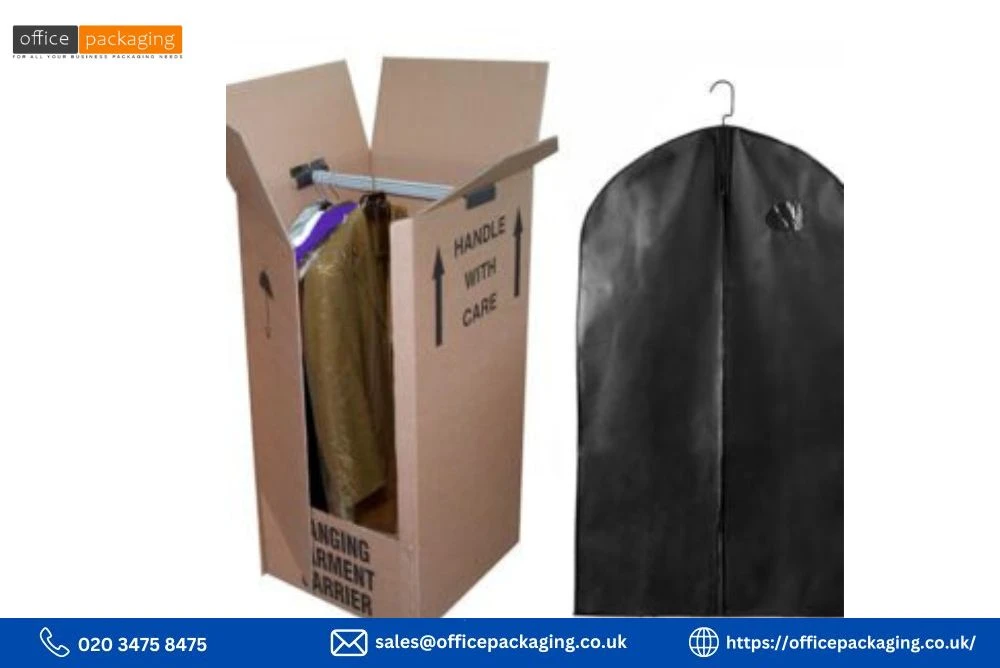
- Wardrobe Boxes & Suit Covers: Keep clothing neat during a move, with space to hang garments.
- Bottle Boxes: Securely hold glass bottles during transit, often used by wineries or gifting businesses.
Parcel-Specific Packaging
Postal packaging has become highly standardised.
Small Parcel Boxes meet Royal Mail’s size limits to save on postage.
White Die Cut Postal Boxes are popular for subscription and gift services due to their aesthetic appeal and neat internal folds.
Mailing box formats are generally courier-compatible and can be chosen based on internal volume and delivery route requirements.
Choosing the Right Cardboard Box for Your Needs
Finding the ideal box requires balancing size, weight, material, and purpose.
Size Matters – Understanding Box Dimensions
Box dimensions affect both cost and usability. A snug fit reduces movement inside and minimises the need for extra packaging materials like void fill. Measure your items carefully before selecting a box size, especially when shipping goods that need to comply with parcel regulations.
Weight Capacity and Protection
Not all boxes handle the same load. If you’re sending heavy items, double wall cardboard is essential. For lighter loads, single walled boxes suffice and keep costs low. Always match the box’s durability with the fragility of its contents to avoid damage during transit.
Colour and Material Options
Brown cardboard boxes are the industry standard due to their recyclability and low cost. White cardboard boxes offer a cleaner appearance, often used in branding and gift packaging. If sustainability matters, recycled cardboard boxes made from post-consumer waste are widely available. They reduce environmental impact without compromising performance.
Custom and Eco-Friendly Options
Today’s businesses value sustainability and personalisation. Customisation and eco-friendliness can enhance brand perception while meeting legal requirements.
Custom Cardboard Boxes
Custom cardboard boxes allow you to print logos, product details, or branding elements directly on the packaging. They improve unboxing experience and help reinforce your brand identity. Many suppliers offer custom sizing too, reducing wasted space and making your packaging process more efficient.
Eco-Friendly Cardboard Packaging
Consumers increasingly prefer eco friendly packaging, making recycled materials and sustainable options a smart choice. FSC-certified boxes, biodegradable glues, and inks align with corporate responsibility goals. Cardboard is already recyclable, but choosing recycled cardboard boxes pushes the effort further, appealing to environmentally conscious buyers.
Storage and Organisation Solutions
Cardboard boxes aren’t just for shipping—they play a critical role in daily storage and office management.
Cardboard Storage Boxes for Homes and Offices
Cardboard storage boxes are excellent for archiving documents, organising seasonal items, or storing personal effects. Look for features like handles, lids, and labelling areas to keep things accessible. Stackability is key to saving space—flat lids and uniform sizing make it easier to build vertical storage systems.
Cardboard Moving Boxes
When moving house, sturdy cardboard moving boxes are non-negotiable. Use large boxes for lighter items like cushions and smaller boxes for heavier ones like books. Proper labelling, secure packing tape, and careful handling ensure items arrive safely. Consider wardrobe boxes for clothes and pallet boxes if you’re doing a commercial move.
Postal and Shipping Applications
Shipping logistics rely heavily on choosing boxes that fit both the item and the courier’s specifications.
Packaging Boxes for Couriers and Royal Mail
Many courier services require specific parcel dimensions. Boxes like Small Parcel Boxes (Royal Mail) or Letter Size PIP Boxes are designed to match these regulations. This ensures you don’t overpay for shipping and helps streamline operations for frequent shippers.
Secure Packing Techniques
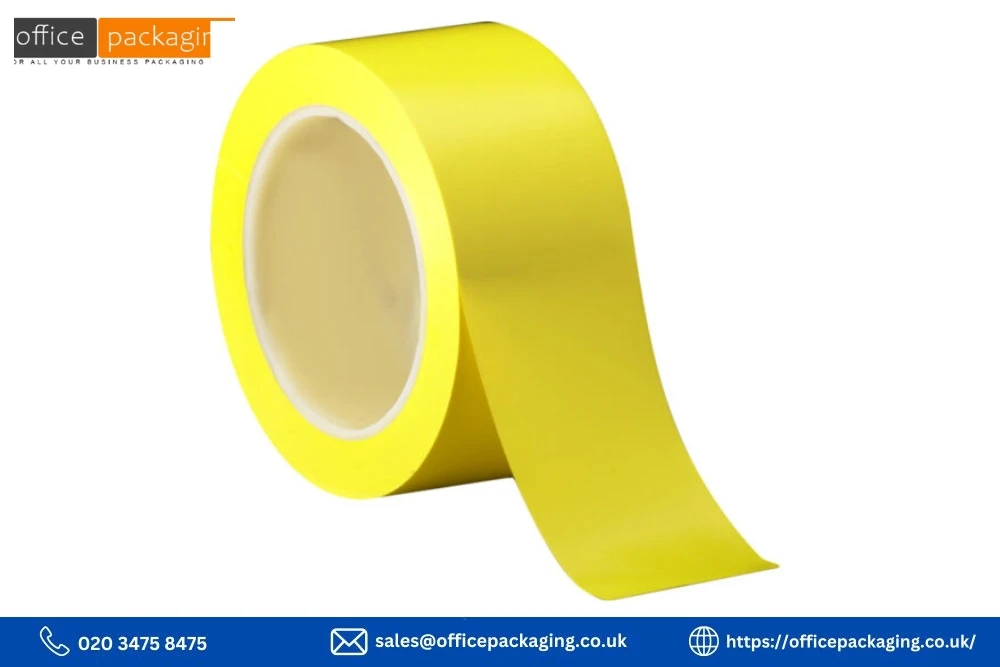
A secure box is only as good as its seal. Use strong packaging tape and reinforce seams for added strength. For fragile goods, internal protection is key—void fill, bubble wrap, or Shell & Slide Foam Lined Boxes can prevent breakages.
Where to Buy Cardboard Packing Boxes
Reliable supply is crucial whether you’re moving home or managing a business.
Online vs In-Store Options
Buying cardboard boxes online offers convenience and bulk pricing advantages. Packaging specialists often have a wider selection than general retailers. Bulk orders also allow custom printing and sizing at better rates. In-store options may be better for small, immediate needs.
Things to Consider Before Buying
Before placing an order, consider the minimum order quantity, delivery time, and price per unit. Also check for eco-certifications or options for custom cardboard boxes if needed for branding or specific applications.
Tips for Packing and Moving with Cardboard Boxes
Preparation makes all the difference when using packing boxes for relocation.
Preparing for a Move
Start early by decluttering. Sort items by category—books, clothes, electronics—and pack room by room. This keeps the move organised and makes unpacking easier. Use labels and coloured markers to identify boxes by destination.
Packing Materials You’ll Need
Stock up on essentials: packing tape, bubble wrap, labels, marker pens, and possibly pallet boxes if you're handling large volumes. Using the right materials reduces damage risk and speeds up the packing process.
Frequently Asked Questions (FAQs)
Q: Can cardboard boxes be reused or recycled?
A: Yes, most cardboard packing boxes are both reusable and recyclable. As long as they aren’t structurally damaged, they can be repurposed for future storage or shipping.
Q: How do I know what box size I need?
A: Measure your item’s length, width, and height. Add a small buffer for padding and compare it with available box sizes. If shipping, always check with your courier’s parcel size requirements.
Q: Are double wall boxes better for international shipping?
A: Absolutely. Double wall cardboard boxes offer superior protection, making them ideal for long-distance or international transit where rough handling is likely.
Q: How long do cardboard packing boxes last?
A: In dry storage, they can last for several years. However, exposure to moisture or heavy loads reduces their lifespan.
Q: Are there waterproof cardboard boxes?
A: Standard cardboard isn’t waterproof, but treated or laminated versions exist. Alternatively, wrap your box in waterproof mailing bags or plastic for added protection.
Final Thoughts
Cardboard packing boxes are more than just containers—they’re an essential part of logistics, storage, and sustainable packaging. Choosing the right type, size, and strength ensures your items stay protected and organised.
Whether you need custom cardboard boxes, recycled materials, or Royal Mail parcel-specific designs, always opt for quality and sustainability. Use this guide as a reference next time you're faced with a packing task. Your boxes will thank you—and so will your customers or movers.



























Sign in to leave a comment.