

Introduction
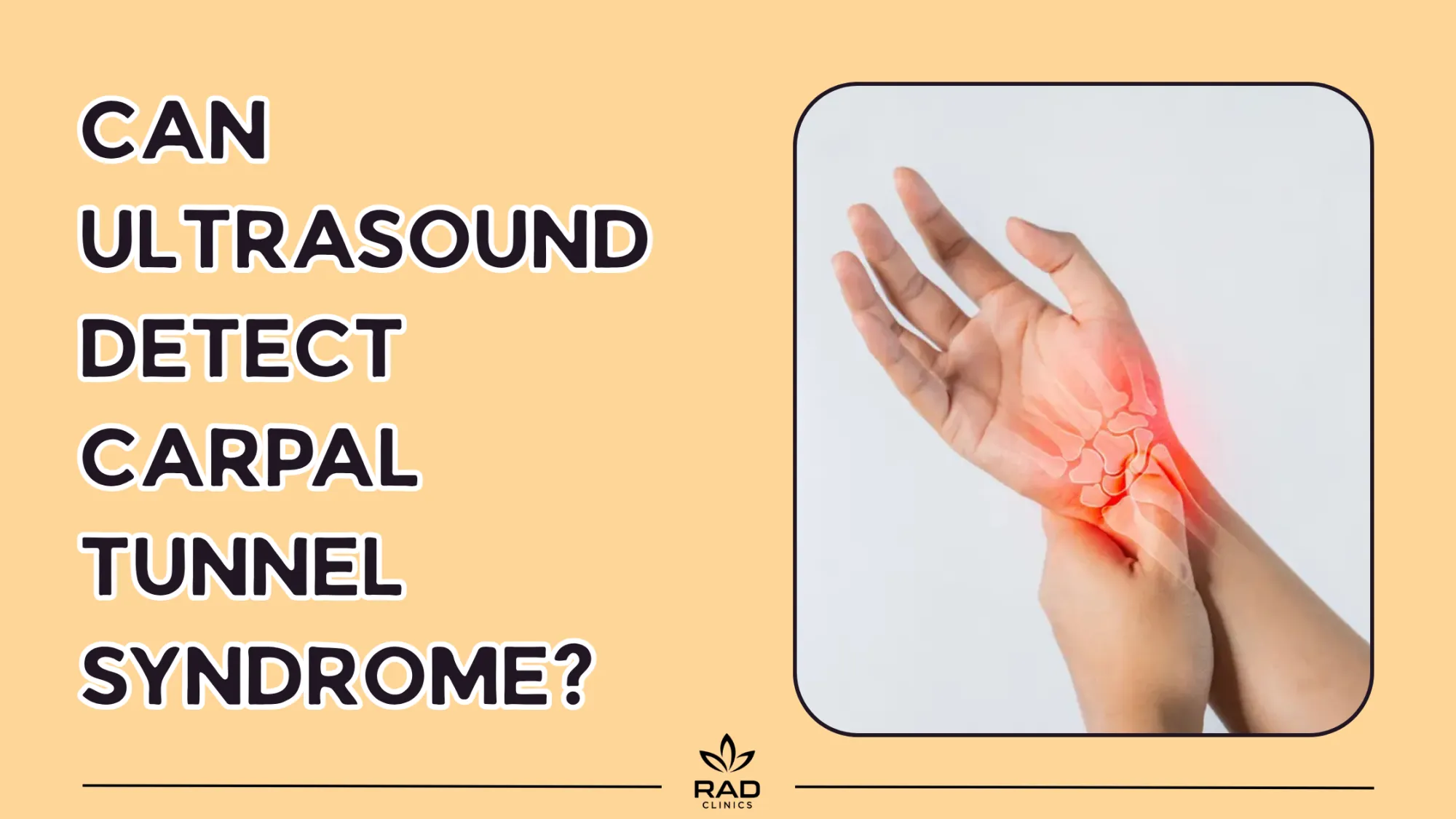
Carpal Tunnel Syndrome (CTS) affects millions worldwide, causing persistent pain, tingling, and numbness in the hands. This condition arises when the median nerve gets compressed in the carpal tunnel, a narrow passage in the wrist. Traditional treatments range from wrist splints to surgery, yet not all provide lasting relief.
A promising alternative is a nerve block for Carpal Tunnel Syndrome, a minimally invasive procedure that can alleviate pain and restore function. This article explores how nerve blocks work, their benefits, and whether they can be a game-changer for CTS sufferers.
Understanding Carpal Tunnel Syndrome
What is Carpal Tunnel Syndrome?
CTS is a neurological disorder caused by the compression of the median nerve. This nerve controls sensation in the thumb, index, and middle fingers and assists with hand movement. When compressed, it leads to pain, numbness, and weakness in the hand.
What Causes CTS?
Several factors contribute to the development of CTS, including repetitive hand movements such as typing, knitting, and playing musical instruments. Underlying health conditions like diabetes, rheumatoid arthritis, and hypothyroidism can also increase the risk of CTS. Pregnancy-related swelling may put pressure on the median nerve, while genetics play a role, as some individuals naturally have smaller carpal tunnels.
Symptoms and Daily Life Impact
Common symptoms include tingling or numbness in the fingers, especially at night. Many experience a weak grip, making it difficult to hold objects securely. The pain often radiates from the wrist to the forearm or shoulder, making everyday activities such as typing, driving, or even holding a phone increasingly challenging. These symptoms reduce the overall quality of life, making simple tasks frustrating.
Who is at Risk?
CTS primarily affects individuals over 40 and is more common in women than in men. Occupations that involve repetitive hand use, such as office work, mechanical tasks, music, and athletics, can also increase the risk. Women are three times more likely to develop CTS than men, likely due to anatomical differences in wrist structure.
Traditional Treatment Options
Non-Surgical Treatments
Wrist splints are commonly used to stabilize the wrist and prevent excessive movement, reducing pressure on the median nerve. Nonsteroidal anti-inflammatory drugs (NSAIDs) and corticosteroids help control inflammation and pain but do not address the root cause. Physical therapy focuses on exercises to improve wrist flexibility and strength, potentially reducing symptoms over time.
Surgical Treatments
Carpal tunnel release surgery involves cutting the transverse ligament to relieve pressure on the nerve, offering long-term relief. Endoscopic surgery is a minimally invasive alternative that reduces scarring and recovery time but still involves potential risks.
Limitations of Traditional Methods
Splints and medications only offer temporary relief and do not correct the underlying nerve compression. Long-term medication use can lead to side effects such as stomach ulcers and dependency. Surgery, while effective for many, carries risks including infections, nerve damage, and prolonged recovery periods.
What is a Nerve Block?
How Nerve Blocks Work
A nerve block for Carpal Tunnel Syndrome involves injecting an anaesthetic or corticosteroid near the median nerve to block pain signals. This provides temporary but effective pain relief by numbing the affected nerve and reducing inflammation.
Types of Nerve Blocks Used for CTS
Local anaesthetic blocks offer short-term relief by numbing the nerve for a few hours or days. Corticosteroid injections reduce inflammation and provide pain relief that can last for weeks or months. Ultrasound-guided nerve blocks enhance precision, ensuring accurate placement of the injection for maximum effectiveness.
Benefits of Nerve Blocks for CTS
Immediate and Lasting Pain Relief
Nerve blocks target the affected nerve directly, offering rapid pain relief that can last for an extended period. Unlike oral medications, which take time to work and may have systemic side effects, nerve blocks act quickly to reduce discomfort.
Potential to Delay or Avoid Surgery
For individuals hesitant about undergoing surgery, nerve blocks provide a viable alternative. By effectively managing symptoms, they allow patients to maintain hand function without invasive procedures. In some cases, repeated nerve blocks can prevent the need for surgery altogether.
Minimal Side Effects Compared to Medications
Unlike long-term medication use, nerve blocks avoid common systemic side effects such as gastrointestinal issues from NSAIDs or addiction risks associated with opioids. This makes them a safer option for many patients seeking pain relief.
Better Hand Function and Mobility
Patients often experience improved grip strength and hand flexibility after receiving a nerve block, making it easier to perform daily tasks. By reducing pain and inflammation, nerve blocks restore mobility and enhance overall hand function.
The Nerve Block Procedure
Step-by-Step Guide
Before the procedure, the patient is positioned comfortably, and the injection site is sterilized. The doctor then uses ultrasound guidance to ensure precise needle placement. Once the correct location is identified, an anaesthetic or corticosteroid is injected near the median nerve. The entire procedure takes only a few minutes, and the patient is monitored for any immediate reactions before being discharged.
What to Expect After the Procedure?
Most patients experience immediate pain relief that lasts from weeks to months, depending on the type of injection used. There is minimal downtime, and most individuals can resume normal activities within 24 hours. Mild soreness at the injection site is common, but serious complications are rare.
Aftercare and Recovery
Patients should avoid strenuous activities for at least 24 to 48 hours to allow the injection to take full effect. Applying ice packs can help reduce minor swelling or discomfort. A follow-up appointment may be necessary to assess the effectiveness of the nerve block and determine if additional treatments are needed.
Efficacy and Success Rates
Research Findings
Studies indicate that nerve blocks provide significant pain relief for over 70% of patients with CTS. Many experience improved hand function and reduced symptoms for weeks or even months after the procedure.
Patient Testimonials
Patients report a noticeable improvement in their ability to perform daily activities, such as typing and gripping objects, within hours of the injection. Many appreciate the long-lasting relief without the need for surgery or prolonged medication use.
Factors That Influence Success
The effectiveness of a nerve block depends on the severity of CTS, the technique used, and the patient’s overall health. Mild to moderate CTS cases tend to respond better, while severe cases with advanced nerve damage may require additional treatments or surgery.
Risks and Considerations
Potential Side Effects
While nerve blocks are generally safe, some patients may experience temporary numbness or weakness in the hand. Minor bruising or swelling at the injection site is common but typically resolves within a few days. Serious complications, such as infections or nerve damage, are rare but should be considered.
Who is a Good Candidate?
Patients with moderate CTS symptoms who have not responded well to conservative treatments are ideal candidates. Individuals with allergies to anaesthetics or severe nerve damage may need to explore alternative treatments.
When to Consider Other Treatments?
If a nerve block fails to provide relief after multiple attempts, other treatments such as surgery may be necessary. Severe nerve compression that has resulted in permanent damage may not respond well to injections alone.
Conclusion
Carpal Tunnel Syndrome can be debilitating, but nerve blocks offer a powerful, minimally invasive alternative for pain relief. They provide quick results, improve hand function, and may help avoid surgery. For those struggling with CTS symptoms, consulting a pain specialist about nerve blocks could be the first step toward relief. If traditional treatments have failed, this modern approach might be the solution you’ve been looking for.




























Sign in to leave a comment.