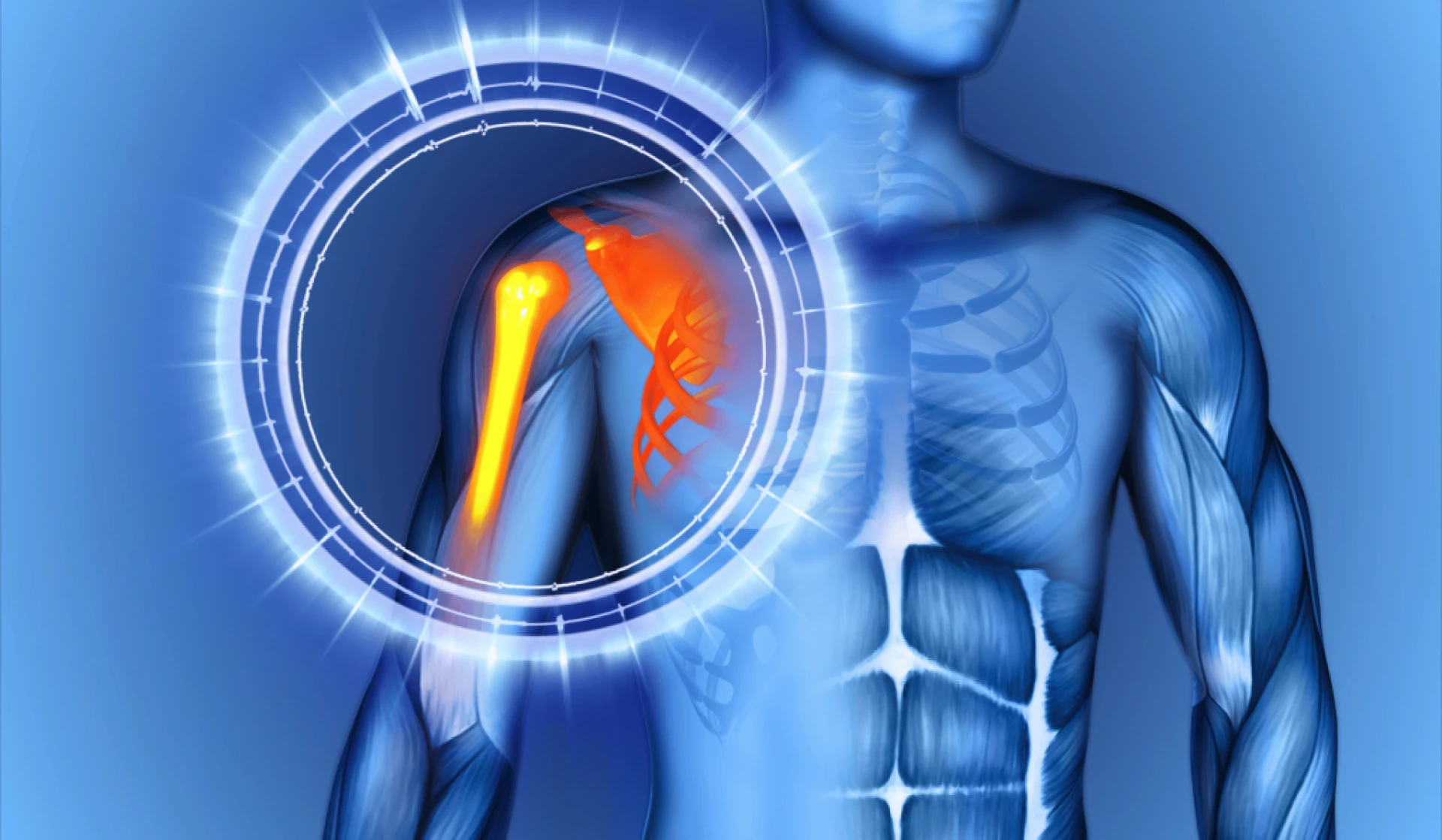

Shoulder impingement syndrome is one of the most common causes of shoulder pain, affecting people of all ages, especially those involved in repetitive overhead activities. It occurs when the tendons or bursa in the shoulder are irritated or compressed during arm movement, leading to pain and reduced mobility. In this comprehensive guide, we’ll explore the causes, symptoms, diagnosis, treatment options, and prevention strategies for shoulder impingement syndrome.
What is Shoulder Impingement Syndrome?
Shoulder impingement syndrome refers to the condition where the tendons of the rotator cuff or the bursa (a fluid-filled sac) become pinched or irritated due to limited space in the shoulder joint. This narrowing is often caused by inflammation, repetitive overhead motions, or poor posture, leading to pain and restricted shoulder movement.
The rotator cuff is a group of muscles and tendons that stabilise the shoulder joint, and when these tendons become inflamed or irritated due to impingement, it can cause considerable discomfort. Left untreated, this condition may lead to further complications like tendinitis or even rotator cuff tears.
Recognising the Symptoms of Shoulder Impingement Syndrome
The symptoms of shoulder impingement syndrome can range from mild discomfort to severe pain. Common signs include:
- Pain when lifting the arm: Lifting your arm above your head or performing overhead movements often triggers pain.
- Pain at the front or top of the shoulder: This pain may worsen during physical activities such as swimming, lifting, or throwing.
- Weakness in the shoulder: Affected individuals often experience difficulty with everyday tasks like brushing their hair or reaching for objects.
- Tenderness in the shoulder: The area around the shoulder joint may become sensitive to touch.
If these symptoms persist, it is crucial to seek medical advice from a shoulder specialist for proper diagnosis and treatment.
Diagnosing Shoulder Impingement Syndrome
Shoulder impingement syndrome is typically diagnosed through a combination of physical examination, patient history, and imaging techniques. A shoulder specialist may perform specific tests, such as the Neer or Hawkins-Kennedy test, to check for signs of impingement. These tests involve moving the arm in certain ways to determine whether pain is triggered due to the compression of the rotator cuff tendons.
In addition to a physical examination, advanced imaging methods such as ultrasound or MRI may be used to confirm the diagnosis and assess the extent of the damage to the tendons or bursa. Shoulder impingement ultrasound-guided injections are often used both as a diagnostic tool and for treating the condition. By precisely injecting medication into the affected area under ultrasound guidance, specialists can target the inflammation or irritation, offering immediate relief while also assessing the extent of the impingement.
Treatment Options for Shoulder Impingement Syndrome
Treatment for shoulder impingement syndrome varies depending on the severity of the condition. Non-surgical treatments are typically recommended first and are effective for most people. These treatments include:
1. Conservative Treatments
- Rest and Ice: Resting the shoulder and applying ice to reduce inflammation is the first line of treatment. This can help manage pain and reduce swelling.
- Anti-inflammatory Medications: Over-the-counter painkillers such as ibuprofen or paracetamol can help control pain and inflammation.
- Physical Therapy: A shoulder specialist may recommend specific exercises for shoulder impingement to strengthen the rotator cuff muscles and improve flexibility. These exercises aim to relieve pressure on the tendons and improve overall shoulder function.
2. Shoulder Impingement Injections
- Corticosteroid Injections: These injections are commonly used to reduce inflammation and alleviate pain in patients with shoulder impingement syndrome. A corticosteroid injection can provide temporary relief, allowing patients to engage in physical therapy and other treatments more effectively.
- PRP Injection for Shoulder Impingement: Platelet-rich plasma (PRP) therapy involves injecting a concentrated solution derived from your own blood into the affected shoulder. The growth factors in PRP promote tissue healing and reduce inflammation. Studies have shown PRP injections to be an effective treatment for chronic shoulder impingement, especially in cases where conservative treatments have failed.
- Shoulder Impingement Ultrasound-Guided Injections: These injections are delivered with precision using ultrasound imaging. This method ensures the medication is injected directly into the affected area, leading to better results and minimising risks.
3. Surgical Treatments
In cases where non-surgical treatments fail to provide relief, surgery may be necessary. Surgical options may include:
- Arthroscopic Surgery: A minimally invasive procedure where a small camera and surgical instruments are inserted through tiny incisions to remove inflamed tissue or repair damaged tendons.
- Open Surgery: In severe cases, open surgery may be required to repair significant damage to the shoulder.
However, surgery is typically a last resort after conservative treatments have been exhausted.
Exercises for Shoulder Impingement
Physical therapy plays a crucial role in the management of shoulder impingement syndrome. The goal of physical therapy is to strengthen the muscles around the shoulder joint, improve flexibility, and reduce the pressure on the tendons.
Some effective exercises for shoulder impingement include:
- Pendulum Exercises: These involve gently swinging the arm in circular motions to improve range of motion without putting strain on the shoulder.
- Rotator Cuff Strengthening: Exercises like external rotations and internal rotations with a resistance band help strengthen the muscles that stabilise the shoulder joint.
- Scapular Stabilisation: These exercises focus on improving posture and strengthening the muscles around the shoulder blade, which are vital for proper shoulder mechanics.
It’s important to perform these exercises under the guidance of a physiotherapist to ensure they’re done correctly and to avoid aggravating the condition.
Preventing Shoulder Impingement Syndrome
Preventing shoulder impingement syndrome involves taking measures to protect the shoulder joint from repetitive strain. Here are some tips for prevention:
- Warm-up before activity: Always warm up before engaging in sports or activities that involve overhead movements.
- Strengthen the shoulder muscles: Regularly perform strengthening exercises for the rotator cuff and scapular muscles.
- Avoid repetitive overhead movements: If possible, reduce activities that require repetitive overhead motions, especially without proper technique or rest.
- Maintain good posture: Practising good posture helps reduce stress on the shoulder joint and can help prevent impingement.
Why Choose RAD Clinics for Shoulder Impingement Treatment?
At RAD Clinics, our team of shoulder specialists provides comprehensive care for shoulder impingement syndrome. We use the latest diagnostic tools, including ultrasound-guided injections, to provide accurate assessments and effective treatments. Our expert team works closely with patients to develop personalised treatment plans, whether through non-surgical methods like PRP injections or physical therapy, or through surgical intervention when necessary.
If you're struggling with shoulder pain or think you might be experiencing shoulder impingement, don't wait to seek treatment. Contact RAD Clinics today to schedule a consultation with one of our experienced shoulder specialists and take the first step towards pain relief and recovery.
Conclusion
Shoulder impingement syndrome can be a debilitating condition, but with early diagnosis and the right treatment plan, it’s possible to regain full function of the shoulder and return to an active lifestyle. Whether you’re looking for non-surgical options like PRP injections for shoulder impingement or ultrasound-guided treatments, RAD Clinics is here to support you every step of the way. Contact us today to learn more about how we can help you overcome shoulder impingement syndrome and get back to living pain-free.























Sign in to leave a comment.