
Knee injuries, particularly those involving the meniscus, are among the most common causes of knee pain and disability. The meniscus, a critical cartilage structure in the knee, plays a vital role in maintaining the joint's stability, providing shock absorption, and enabling smooth movement. When injured, this essential structure can lead to significant pain, swelling, instability, and difficulty with everyday activities. Understanding the anatomy and function of the meniscus, as well as the treatment options available for meniscus injuries, is essential for anyone dealing with knee pain or concerned about their knee health. This article delves into the role of the meniscus, the symptoms of injury, and how meniscus injuries are treated effectively, with a focus on the latest diagnostic tools and therapeutic interventions offered at RAD Clinics.

The Meniscus: A Crucial Part of Knee Health
What Is a Meniscus Injury?
A meniscus injury refers to damage to the meniscus, which is a C-shaped cartilage located in the knee joint. The knee has two menisci – the medial (inner) and lateral (outer) menisci – each serving the important functions of absorbing shock, distributing weight, and stabilising the joint during movement. The meniscus can be injured in various ways, with the most common being acute tears resulting from trauma or degenerative changes due to ageing.
Medial meniscus injuries, which affect the inner side of the knee, are often associated with activities that involve twisting or squatting. Lateral meniscus injuries, on the other hand, are more frequently linked to direct impacts or activities that involve excessive rotation or bending. Meniscus injuries can range from minor tears to more severe cases where the cartilage is torn into multiple pieces, affecting the knee's function.
The Meniscus Structure and Its Critical Role in Knee Stability
The meniscus plays a key role in maintaining knee stability by helping distribute weight evenly across the joint and reducing stress on the bones and ligaments. This shock-absorbing function is crucial for the longevity of the knee joint, particularly under high-impact activities. The meniscus is made up of two regions: the red-red zone, which has a good blood supply and thehealing potentialg, and the white-white zone, which has limited blood flow and a poorer chance of healing on its own.
Age-related degeneration can also affect the meniscus, leading to thinning or tears, particularly in the white-white zone. Understanding the vascularisation of the meniscus is essential for determining the most effective treatment for meniscal injuries.
Recognising and Understanding Meniscus Injury Symptoms
Primary Symptoms of a Meniscus Injury
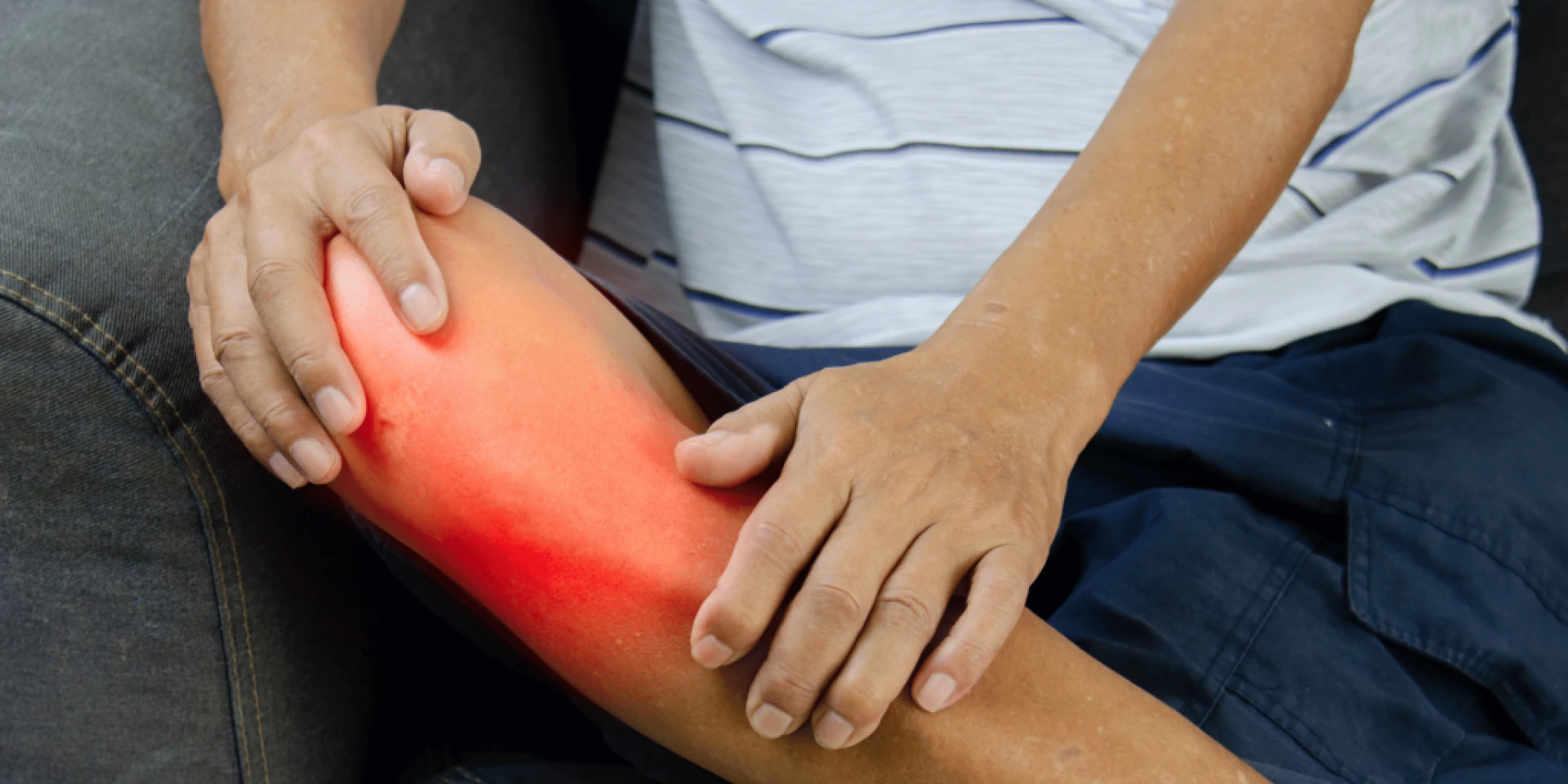
When a meniscus injury occurs, patients may experience a variety of symptoms depending on the type and severity of the injury. Common signs include sharp knee pain, especially along the joint line, swelling, and difficulty moving the knee. Patients may also experience a sensation of "locking" or "catching" in the knee, which occurs when a piece of the torn meniscus interferes with normal movement.
For those experiencing knee pain, it is important to recognise the specific characteristics of meniscus pain. Unlike general knee pain, meniscus injuries are often felt on the inside or outside of the knee and may worsen with certain movements such as squatting, twisting, or pivoting.
Acute vs. Chronic Meniscus Injury Symptoms
Meniscus injuries can present with either acute or chronic symptoms. Acute meniscal tears typically result from sudden trauma, such as during sports or accidents, and lead to immediate pain, swelling, and limited mobility. Chronic injuries, on the other hand, develop over time and may be associated with degenerative changes in the meniscus due to ageing or repetitive stress. These injuries tend to cause intermittent pain, mild swelling, and a gradual loss of joint function.
Patients with chronic meniscal tears may also be at a higher risk of developing secondary osteoarthritis, as the wear and tear on the joint increases over time. It is important to address these injuries early to prevent further complications.
Locking, Catching, and Instability in Meniscal Injuries
One of the hallmark symptoms of a meniscus injury is the sensation of the knee locking or catching. This occurs when a fragment of the torn meniscus moves into the joint space and obstructs normal movement. Patients may feel as though their knee is stuck or cannot fully straighten. This can lead to instability and difficulty performing daily activities like walking or climbing stairs.
In some cases, meniscus tears can lead to a loss of proprioception, or the body's ability to sense the position of the knee, which further contributes to knee instability. This is why accurate diagnosis and appropriate treatment are essential for restoring function and preventing further injury.
Red Flag Symptoms Requiring Immediate Professional Assessment
Certain symptoms may indicate a more serious meniscus injury and require immediate medical attention. These "red flags" include severe knee pain that prevents weight-bearing, sudden loss of knee mobility, or visible deformity in the knee joint. If these symptoms occur, it is important to seek urgent treatment, as early intervention can help prevent long-term complications.
At RAD Clinics, we offer rapid ultrasound-guided assessments to diagnose meniscal injuries quickly and accurately. This service ensures that patients receive timely treatment tailored to their specific injury.
Meniscus Injury Types and Classification
Acute vs. Degenerative Meniscal Injuries
Meniscus injuries can be categorised into acute and degenerative types. Acute traumatic tears are typically caused by sudden force or impact, often seen in athletes or during high-impact activities. These injuries are usually treated with a combination of conservative measures such as rest, ice, and physical therapy, and in some cases, ultrasound-guided injections or surgery.
Degenerative meniscal tears, on the other hand, occur over time as a result of wear and tear. These tears are more common in older adults and are typically linked to osteoarthritis. Treatment for degenerative tears focuses on managing symptoms, restoring function, and slowing down the progression of joint degeneration.
Meniscal Tear Morphology
Meniscal tears can also be classified by their shape and location. The four main types of meniscal tears are longitudinal, radial, bucket-handle, and complex tears. The type of tear plays a significant role in determining the appropriate treatment. For example, longitudinal tears often respond well to conservative treatment, while bucket-handle tears, which involve larger fragments of the meniscus, may require surgical intervention.
At RAD Clinics, ultrasound imaging can help determine the precise morphology of the tear, allowing for more accurate treatment decisions. This is particularly helpful in deciding whether cortisone injections or physical therapy are appropriate, or if surgery is necessary.
Medial vs. Lateral Meniscal Injuries
The location of the meniscal injury – whether it is medial (inner) or lateral (outer) – also influences treatment options. Medial meniscal tears are more common and often occur in conjunction with injuries to other structures, such as the medial collateral ligament (MCL). Lateral meniscal injuries are more likely to be associated with anterior cruciate ligament (ACL) tears, requiring a more comprehensive treatment approach.
Treatment of Meniscus Injury
Conservative Management of Meniscus Injuries
In many cases, conservative management is the first step in treating a meniscus injury. This approach includes rest, ice, compression, and elevation (the PRICE protocol), along with physical therapy to strengthen the muscles around the knee and improve joint stability. For some patients, this approach can lead to full recovery without the need for more invasive treatments.
However, if conservative management is not effective, patients may progress to more advanced treatments, such as ultrasound-guided injections or surgery. The choice of treatment depends on the severity of the tear, the patient's age, and activity level.
Physiotherapy and Rehabilitation
Physiotherapy plays a crucial role in the recovery process for meniscal injuries. A tailored rehabilitation program focusing on strengthening the quadriceps, improving proprioception, and restoring range of motion is key to long-term recovery. At RAD Clinics, we offer on-site physiotherapy services that work in tandem with diagnostic and treatment options, ensuring a comprehensive and effective recovery plan.
Ultrasound-Guided Injections for Meniscal Injuries
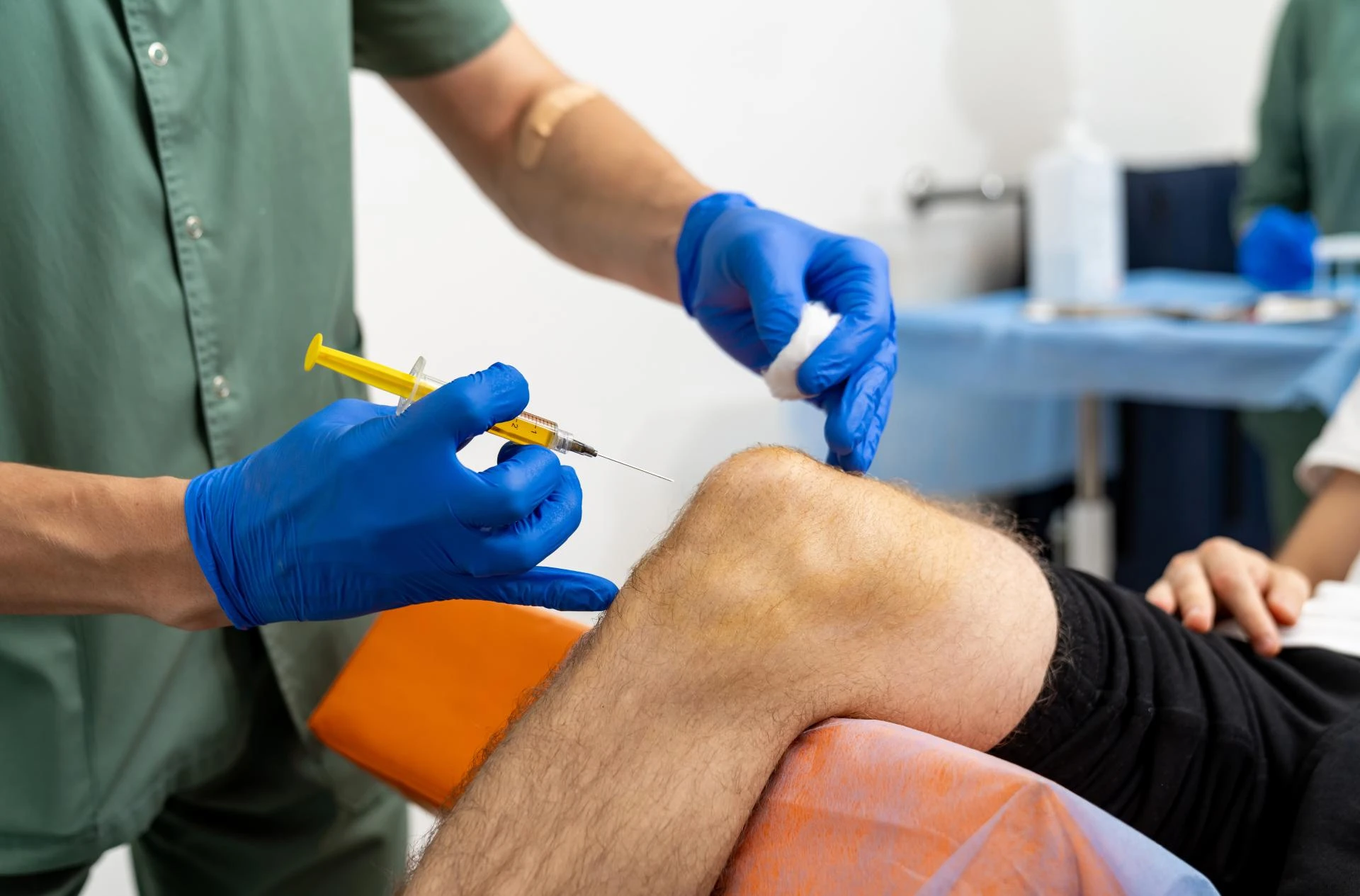
In cases where conservative treatment is not sufficient, ultrasound-guided injections can provide targeted pain relief and reduce inflammation around the meniscal tear. Cortisone injections are often used to manage inflammation, while hyaluronic acid injections may be used to provide lubrication and reduce friction in the joint.
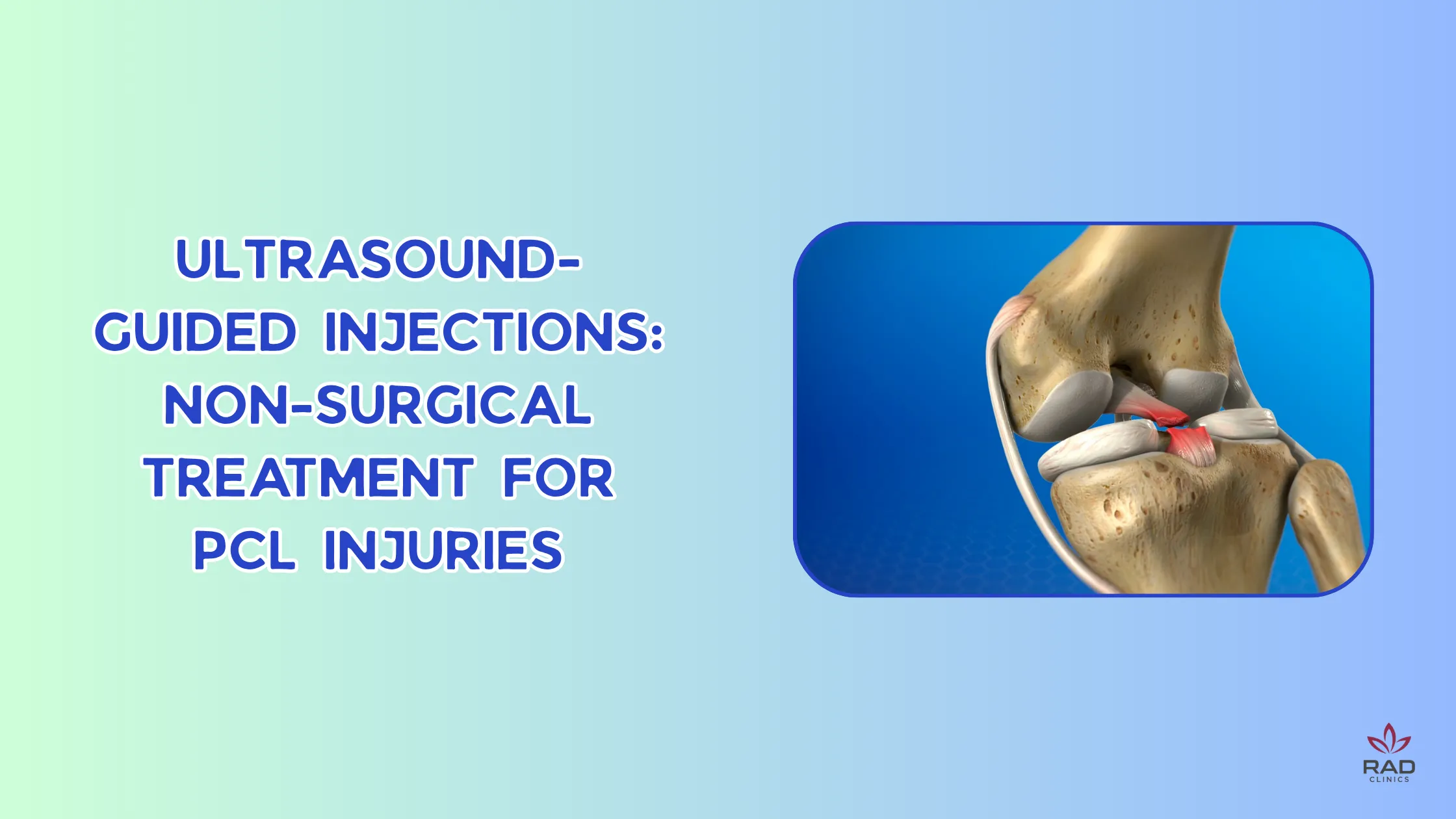
These injections are guided by ultrasound to ensure precise placement, minimising the risk of complications and ensuring that the medication is delivered directly to the site of the injury. At RAD Clinics, our ultrasound-guided procedures offer real-time visualisation, enhancing accuracy and improving patient outcomes.
Healing and Recovery from Meniscus Injuries
Healing Timeline for Meniscal Injuries
The healing time for a meniscus injury depends on the type and severity of the tear. Peripheral tears, which occur in the red-red zone, have a higher potential for healing on their own and typically require 6 to 12 weeks of conservative treatment. Central tears, found in the white zone, are more difficult to heal and may take several months to recover fully.
Factors such as age, activity level, and the presence of other knee conditions like osteoarthritis can also affect recovery time. At RAD Clinics, we provide patients with a structured recovery plan that includes both conservative and interventional treatments to accelerate the healing process.
Return-to-Activity and Sport-Specific Milestones
Recovery from a meniscal injury involves progressing through several stages, from initial pain management to a return to normal activities and sports. A graduated return-to-activity protocol, which includes specific milestones for walking, running, and sport-specific movements, helps ensure that patients recover safely and effectively.
At RAD Clinics, our multidisciplinary approach – combining ultrasound-guided injections, physiotherapy, and activity modification – optimises recovery and helps patients return to their desired activities as quickly as possible.
In conclusion, the meniscus plays a crucial role in knee health, and injuries to this structure can significantly impact mobility and quality of life. Early recognition of symptoms, accurate diagnosis, and a tailored treatment plan are essential for effective recovery. Whether through conservative management, ultrasound-guided injections, or advanced surgical options, RAD Clinics provides comprehensive care to help patients recover fully from meniscus injuries and return to an active, pain-free lifestyle.

























Sign in to leave a comment.