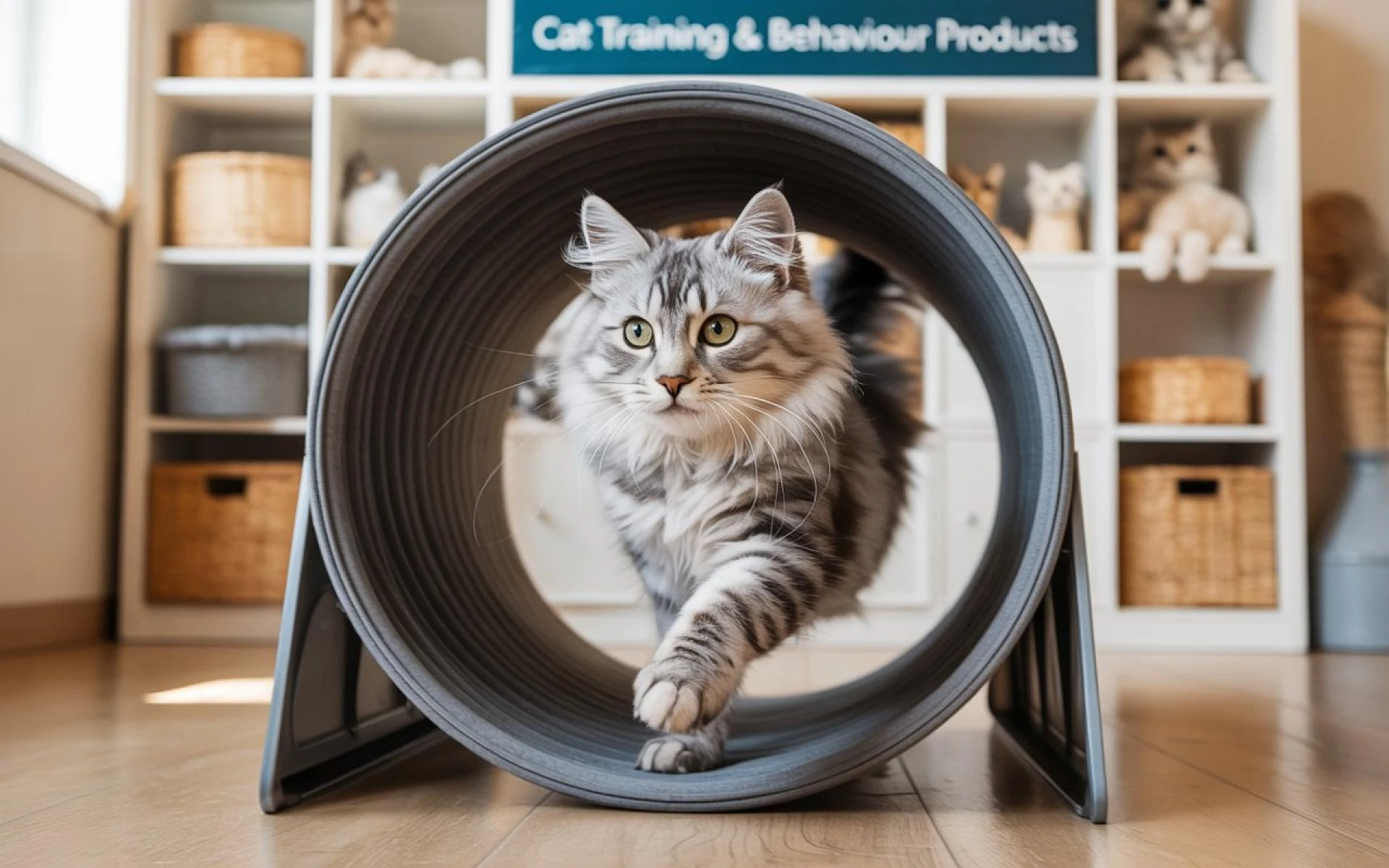

Cats are often seen as independent creatures, but that doesn’t mean they can’t be trained. In fact, training your feline friend not only helps improve their behaviour but also strengthens your bond with them. With the right cat training and behaviour products, you can guide your pet toward positive habits and manage unwanted behaviours effectively.
Why Training Cats Matters
Many people believe cats can’t be trained like dogs, but that’s a myth. While cats have their own personalities and independence, they respond well to positive reinforcement. Training helps reduce stress, prevents destructive behaviour, and makes living together much more enjoyable.
Imagine coming home to scratched furniture, litter box accidents, or midnight zoomies—it can be frustrating. Behaviour products exist to channel your cat’s natural instincts in healthier ways.
Types of Cat Training Products
Cat training tools come in many forms, each designed to address specific needs:
- Reward-based tools like clickers and treats.
- Behaviour redirection tools such as scratching posts.
- Calming aids to reduce stress and anxiety.
- Deterrents that help keep cats away from restricted areas.
Clicker Training for Cats
Clicker training is one of the most effective methods for shaping feline behaviour. The click sound acts as a marker to signal your cat did something right.
- How it works: Click the device and immediately reward your cat with a treat.
- Best clickers: Choose ones with a comfortable grip and a soft sound that won’t scare your cat.
Over time, cats learn to associate the click with rewards, making training easier.
Cat Treats as Training Aids
Food is a powerful motivator for most cats. High-value treats help encourage desired behaviours.
- Healthy choices: Look for grain-free or natural treats with limited ingredients.
- Small bites: Tiny portions work best for training sessions.
Reward-based learning is at the heart of successful cat training.
Interactive Toys
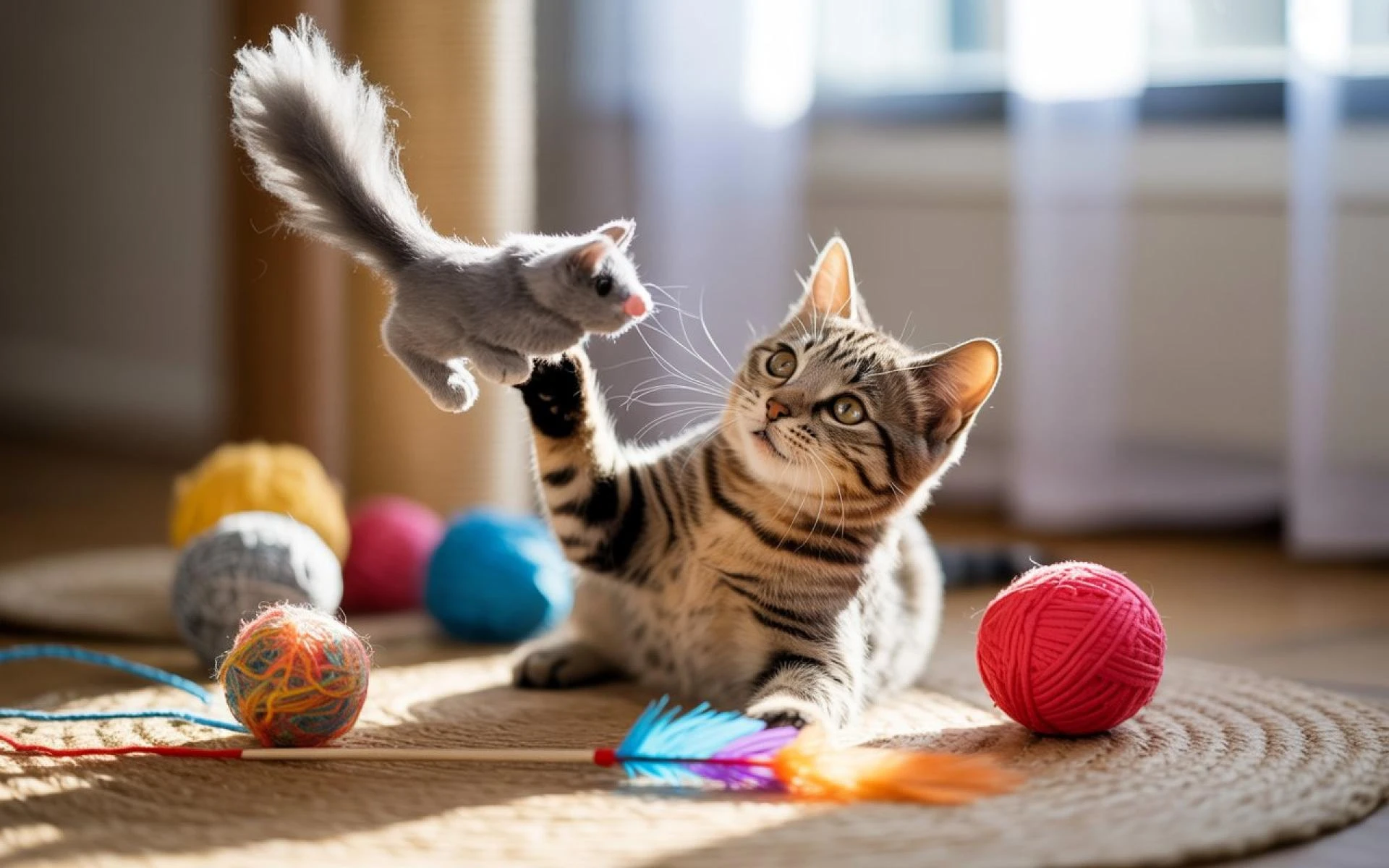
Cats need both physical and mental stimulation. Boredom often leads to unwanted behaviour, and interactive toys provide an outlet.
- Puzzle toys: Engage your cat’s brain while rewarding them with food.
- Feather wands and laser toys: Encourage exercise and satisfy hunting instincts.
Interactive play also strengthens the bond between you and your cat.
Scratching Posts & Pads
Scratching is natural for cats, but your furniture doesn’t have to suffer.
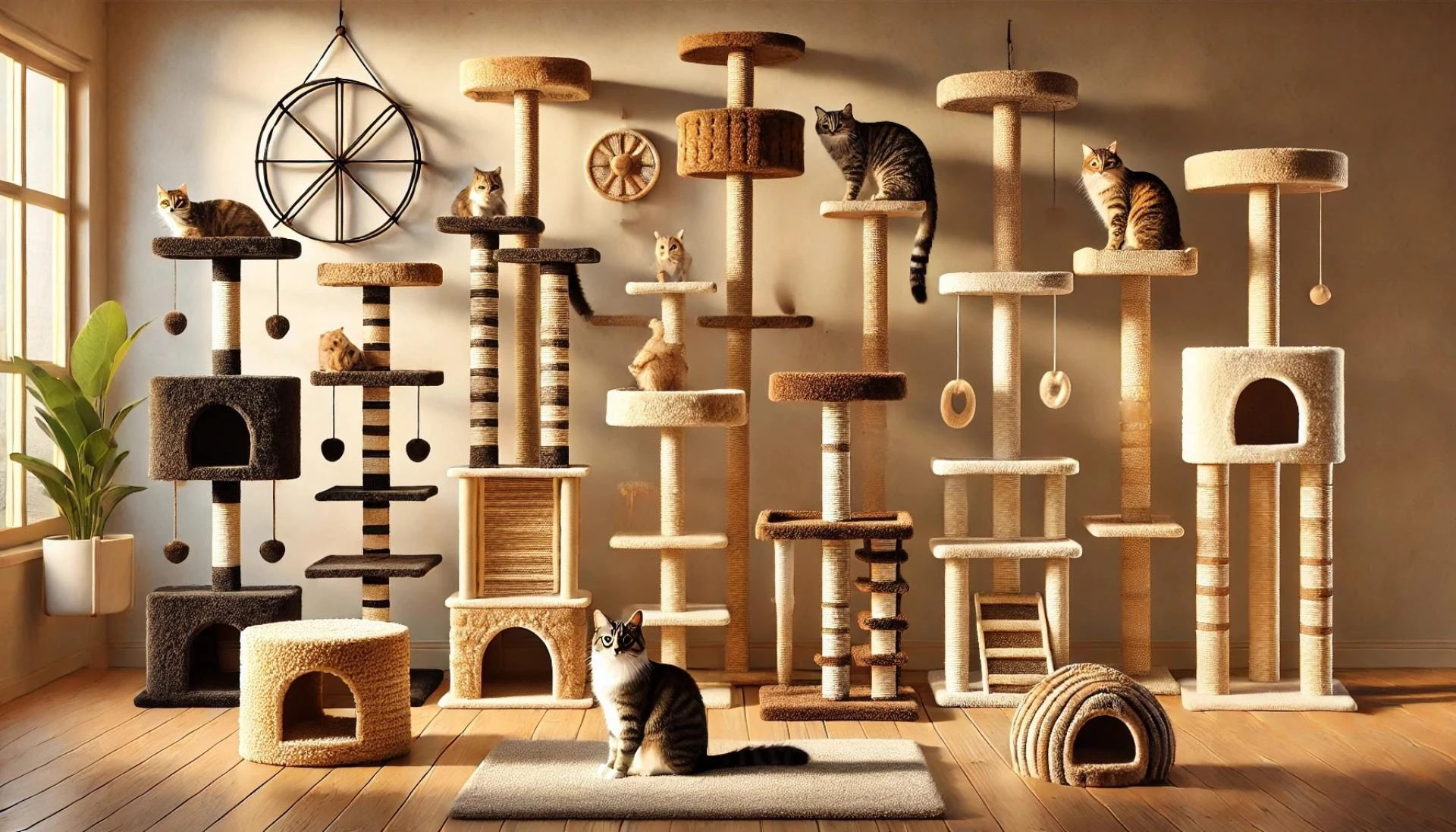
- Scratching posts: Tall, sturdy posts allow cats to stretch fully.
- Scratching pads: Great for horizontal scratchers.
By offering alternatives, you redirect your cat’s instinct without punishment.
Cat Calming Products
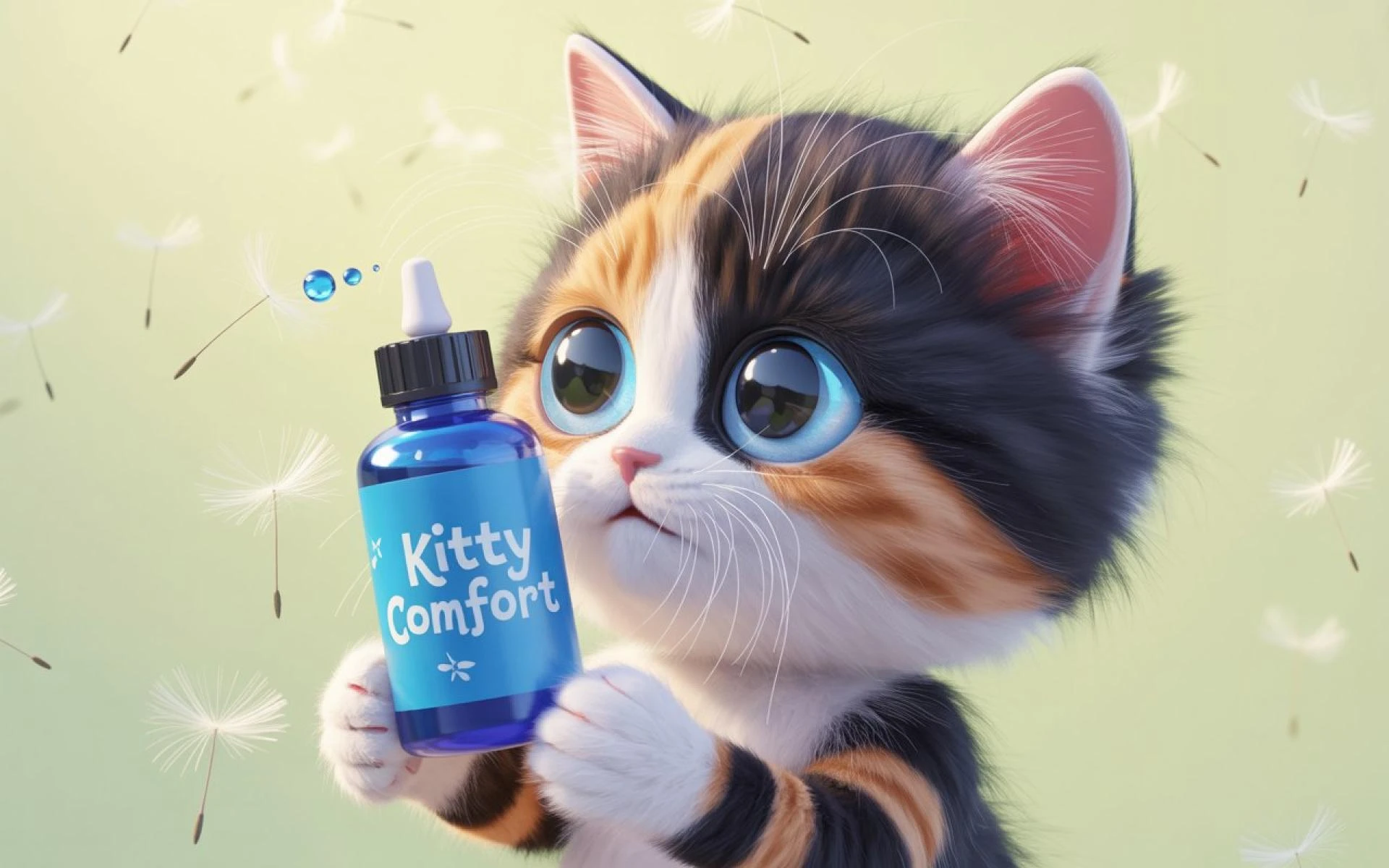
Stress can lead to bad behaviour in cats. Calming products help create a peaceful environment.
- Pheromone diffusers and sprays: Mimic natural calming signals.
- Herbal and natural remedies: Valerian root and chamomile blends can soothe anxiety.
These are especially useful during travel, vet visits, or when introducing new pets.
Training Collars & Harnesses
While cats aren’t usually leash-walked like dogs, training them to wear a harness can provide safe outdoor adventures.
- Harness training: Start slowly with lightweight harnesses.
- Collars: Breakaway collars can be used with ID tags for safety.
Harness training expands your cat’s world while keeping them secure.
Litter Training Essentials
Most cats take to the litter box naturally, but sometimes they need help.
- Attractant sprays: Encourage cats to use the litter box.
- Different litter types: Some cats prefer certain textures.
Consistency and cleanliness are key for successful litter training.
Deterrents & Repellents
Sometimes you need to keep cats away from certain areas or furniture.
- Safe sprays: Citrus or herbal sprays discourage scratching.
- Motion-activated deterrents: Gentle air bursts or sounds keep cats off counters.
These products help maintain boundaries without harming your cat.
Clicker vs Verbal Cues
Which works better: a clicker or verbal praise? Both have pros and cons.
- Clicker: Precise, consistent, and easy to pair with rewards.
- Verbal cues: More natural but can vary in tone.
Many owners combine both for best results.
Shaping Positive Behaviour
The key to success is rewarding what you want your cat to repeat.
- Reinforcement techniques: Treats, play, or affection.
- Avoid punishment: It can damage trust and increase anxiety.
Focus on building good habits instead of punishing bad ones.
Tips for Effective Cat Training
Training takes patience, but it’s worth it.
- Be consistent: Use the same cues and rewards.
- Short sessions: Cats learn better in small bursts.
- Avoid frustration: Stay calm and encouraging.
Remember, training should be fun for both you and your cat.
Conclusion
Cat training doesn’t have to be a battle. With the right behaviour products, you can create a more peaceful, happy home while giving your cat the stimulation and guidance they need. From clickers and treats to calming aids and scratching posts, there’s a product for every challenge.
Training is about building trust, understanding your cat’s instincts, and finding positive ways to work with them—not against them.
FAQs
1. Can all cats be trained?
Yes, most cats can be trained with patience, consistency, and the right motivation.
2. Are behaviour products safe for cats?
Reputable products designed for pets are safe, but always choose trusted brands.
3. Do pheromone diffusers really work?
Many cats respond well, though effectiveness may vary depending on the individual.
4. How long does it take to train a cat?
It depends on the cat and the behaviour being trained—anywhere from a few days to weeks.
5. What’s the best age to start training?
Kittens are easier to train, but adult cats can learn too with the right approach.

























Sign in to leave a comment.