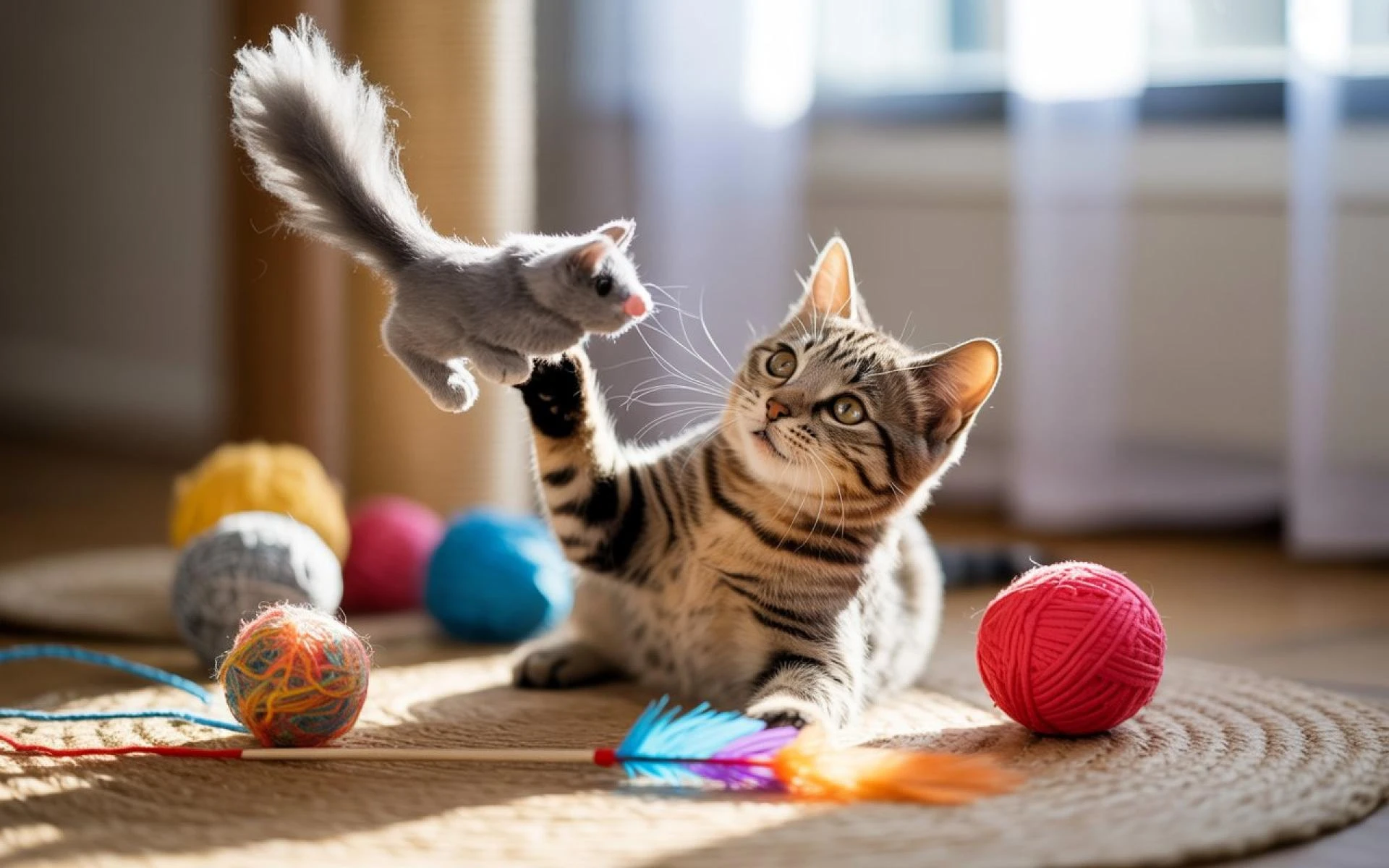

Cats are mysterious, playful, and endlessly curious creatures. Whether it’s batting a ball across the floor or leaping into the air for a feather, toys play a huge role in their daily lives. But what toy do cats like the most? Let’s explore the feline world of fun and find out. Order cat toys!
Why Play Is Essential for Cats
Cats aren’t just lounging experts—they’re natural-born hunters. Play isn’t just fun; it’s necessary.
- Natural instincts: Toys mimic prey, helping cats channel their hunting drive.
- Mental and emotional health: Play reduces boredom and stress.
- Physical well-being: Active play prevents obesity and keeps joints healthy.
What Determines a Cat’s Favorite Toy?
Not all cats chase the same toy. Their preferences depend on:
- Age factor: Kittens love fast, unpredictable toys. Older cats prefer slow, softer ones.
- Breed tendencies: Active breeds like Abyssinians enjoy climbing and chasing. Calmer breeds may prefer plush companions.
- Personality differences: Some cats are hunters, others are loungers.
Top Categories of Cat Toys
Cat toys generally fall into three categories:
- Interactive toys – involve human participation.
- Solo-play toys – keep cats busy alone.
- Puzzle toys – stimulate the brain with rewards.
Feather Toys – Simulating Prey
Feathers are irresistible because they mimic birds in motion. Wand toys with feathers or fluttering attachments bring out a cat’s inner hunter instantly.
Laser Pointers – The Ultimate Chase
That little red dot? Pure magic for most cats. It mimics prey movement and encourages exercise. But since cats can’t “catch” it, always end with a tangible toy to avoid frustration.
Wand Toys – Fun With Human Interaction
Wand toys are interactive and unpredictable, making them favorites. They strengthen bonds and give cats a satisfying chase. Try wands with ribbons, feathers, or bells.
Catnip Toys – The Magical Herb Effect
Catnip has a natural chemical, nepetalactone, that triggers playful reactions in many cats. From stuffed mice to crinkle pouches, catnip toys can lead to rolling, pouncing, and even cuddling.
Balls and Rolling Toys – Endless Entertainment
Simple toys like ping-pong or crinkle balls can keep cats engaged. Motorized rolling balls add extra excitement, mimicking scurrying prey.
Scratcher Toys – Dual Purpose Play
Scratching is natural for cats. Toys that combine scratching posts with dangling toys or tunnels offer double benefits—claw care and entertainment.
Puzzle and Interactive Feeders
Smart cats love a challenge. Puzzle toys that dispense treats or kibble provide mental stimulation while rewarding effort with food.
Plush Toys – Comfort and Companionship
Some cats like soft toys for wrestling, bunny-kicking, or cuddling. They may adopt them as “prey” or as comfort companions.
DIY Cat Toys – Creative and Affordable
Household items can be turned into toys.
- Cardboard boxes become playgrounds.
- Paper bags offer hiding spots.
- Bottle caps roll like mini chase toys.
- Always ensure safety—no sharp edges or choking hazards.
How to Pick the Right Toy for Your Cat
Observe your cat’s natural behavior. Do they stalk, chase, or wrestle? Matching toys to their play style makes a big difference.
Rotating Toys for Continued Fun
Cats get bored easily. Keep toys exciting by rotating them every week or two. A toy that was ignored last month might become the new favorite tomorrow.
Toy Safety for Cats
- Avoid toys with loose strings or small parts.
- Always supervise play with ribbons or lasers.
- Replace damaged toys promptly.
Conclusion – The Toy Cats Love the Most
While every cat has unique tastes, feather wands, lasers, and catnip toys often rank at the top. The secret lies in finding what sparks your cat’s curiosity and rotating options to keep playtime fresh. At the end of the day, the best toy is the one that keeps your feline friend active, happy, and healthy.
FAQs
1. Do cats get tired of the same toys?
Yes, rotating toys prevents boredom and renews excitement.
2. Are lasers harmful to cats?
No, but avoid shining them in their eyes and always finish with a real toy.
3. Can senior cats enjoy the same toys as kittens?
Not always—kittens prefer fast-paced toys, while seniors like softer, slower ones.
4. What if my cat doesn’t like store-bought toys?
DIY options like cardboard boxes and crumpled paper can be just as entertaining.
5. How many toys should my cat have?
A small variety—around 5–7 toys, rotated regularly—keeps things exciting.























Sign in to leave a comment.