

Imagine finally deciding to tackle those cold rooms and rising energy bills that have bothered you since last winter. Where do most UK homeowners start? Research. Comparisons. Material shortlists. And somewhere along that path, the numbers begin to matter. A Cavity Wall U-Value Calculator puts real thermal data behind what previously felt like guesswork, turning wall performance from an abstract concern into something measurable, comparable, and genuinely useful for making the right insulation decision.
What a Cavity Wall U-Value Calculator Tells You About Your Home
Wall insulation decisions carry real consequences, and getting them right starts with understanding what is actually happening thermally inside the wall construction. A U-value figure is not just a number on a spec sheet. It represents how much heat is escaping daily, how much comfort is being lost, and where the most meaningful improvements can realistically be made.
Older properties with solid or partially filled wall constructions often reveal surprising heat loss figures once properly measured. Those results sharpen the conversation considerably, making it easier to identify which insulation system will deliver genuine, lasting improvement rather than a marginal gain that barely moves the dial on comfort or running costs.
The Role Breathable Insulation Plays in Achieving Strong U-Value Results
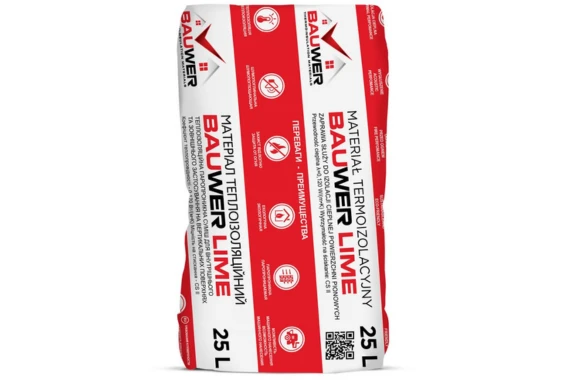
Reaching a strong U-value target is only part of the picture. The material chosen to get there shapes how the wall performs long after installation is complete. Here is where breathable insulation systems make a meaningful difference.
Moisture Management Alongside Thermal Performance
Vapour movement matters as much as heat retention. Breathable render and plaster systems allow moisture to pass through the wall naturally, keeping surfaces dry, stopping condensation before it starts, and protecting the building fabric without sacrificing thermal performance.
Consistent Performance Across Seasons
A wall that manages moisture actively does not lose its insulation value when the weather shifts. Damp sitting inside a wall quietly erodes thermal performance over months. Breathability keeps that from happening, making it a practical long-term gain rather than a seasonal fix.
Suitable for a Range of Wall Constructions
Not every older property is built the same way. Perlite-based breathable systems adapt well to solid stone, brick, and mixed wall constructions alike, delivering meaningful U-value improvements across different building types without demanding major structural intervention to get there.
Conclusion
A Cavity Wall U-Value Calculator does something genuinely valuable: it replaces assumption with evidence. Once those figures are clear, the next decision is choosing an insulation material that holds that performance reliably. For UK homeowners serious about warmer rooms, lower energy costs, and walls that stay in good condition, breathable insulation systems built around natural materials are consistently worth considering.



























Sign in to leave a comment.