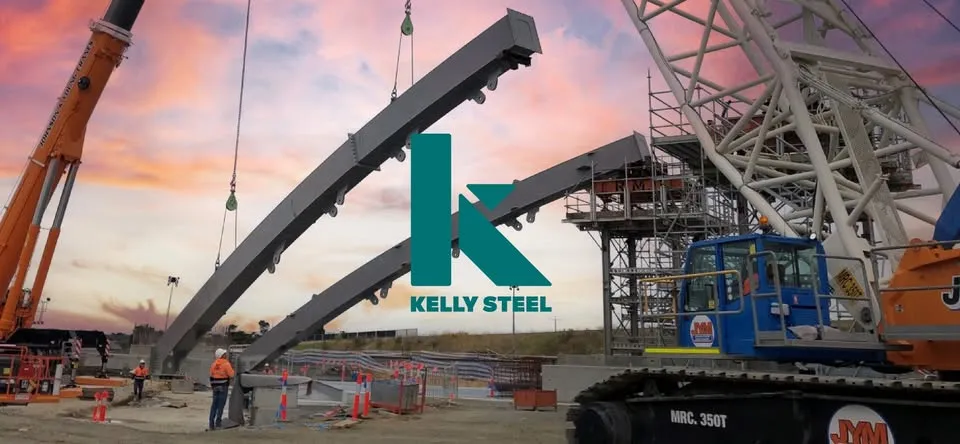

Most people walk past a construction site without giving much thought to the steel framework holding everything together. Before any beam gets bolted into place, there's a detailed process happening offsite in a fabrication workshop that most people never see.
Here's how it actually works.
It Starts on Paper, Not in the Workshop
Steel fabrication begins well before anyone picks up a cutting tool. A structural engineer produces drawings that specify exactly what needs to be built beam sizes, connection points, load requirements, tolerances. These get turned into shop drawings, which are the fabricator's working documents. Any mistake at this stage tends to multiply by the time you're on site, so experienced fabricators spend significant time reviewing drawings before fabrication starts.
This is also where material gets ordered. Standard sections I-beams, RHS, channel steel are usually available from distributors. Heavier plate or specialty grades might have a few weeks' lead time, so procurement runs in parallel with drafting.
Cutting, Shaping, and Fitting
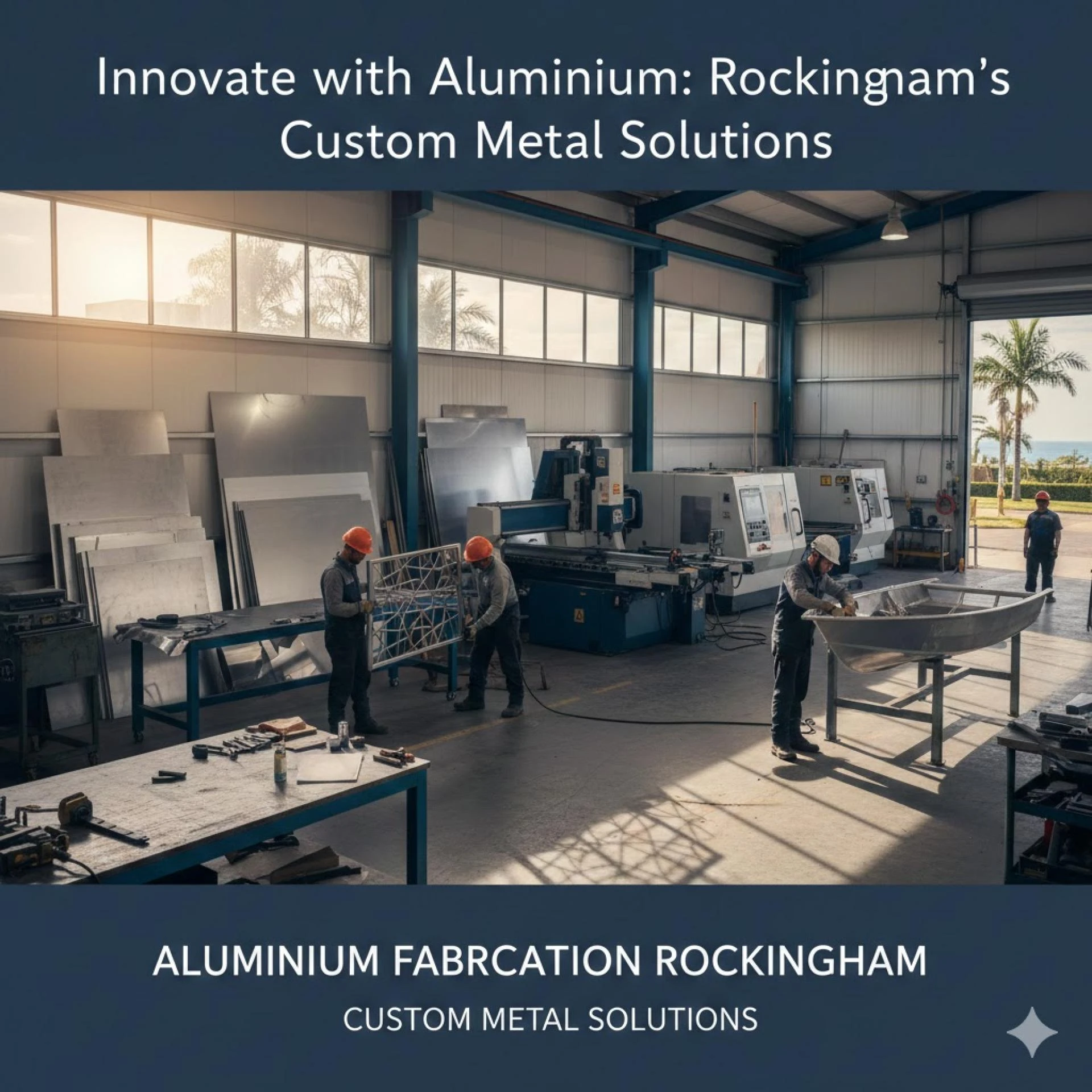
Once drawings are confirmed and steel arrives, fabrication begins. CNC machinery handles most of the cutting laser cutters, plasma cutters, and saws slice steel to exact dimensions. Drilling follows, then the pieces are fitted up (assembled loosely) to check everything lines up before welding begins.
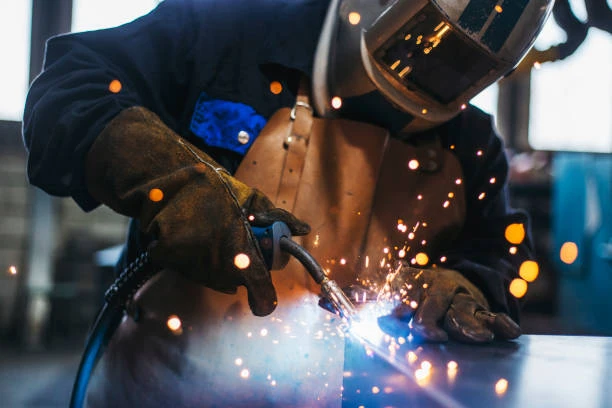
Welding is where it all comes together. Structural welds are governed by Australian Standards (primarily AS/NZS 1554), and on certified projects, welders need to hold qualifications specific to the work they're doing. After welding, components are inspected visually and sometimes with non-destructive testing like ultrasonic or magnetic particle inspection depending on the application.
Coatings and Protection
Raw steel corrodes, so before anything leaves the workshop it gets a protective coating. The two most common approaches are paint systems (primer, intermediate, and topcoat) and hot-dip galvanising, where steel is submerged in molten zinc. Galvanising is more durable in harsh environments but adds time to the program typically a week or two including transport to the galvanising plant.
The coating choice usually comes down to the environment the steel is going into. Internal structural steel in a dry commercial building might only need a primer. Coastal or agricultural steel needs significantly more protection.
Getting It to Site
Fabricated steel is sequenced for delivery meaning it arrives in the order it needs to be installed, not all at once. For large commercial projects, this might mean weekly deliveries timed to match the crane schedule. Components come pre-marked, pre-drilled, and pre-coated, which dramatically reduces what needs to happen on site.
Erection (the actual installation) involves cranes, riggers, and structural steel erectors working from an agreed lift study. This documents how each piece gets picked and placed safely, accounting for load paths and temporary stability during construction.
Why Offsite Fabrication Matters
The shift toward workshop fabrication rather than building onsite has made construction faster and safer. A controlled workshop environment produces more consistent quality than field welding in the rain. Trial assemblies can happen before dispatch, catching fit-up issues before they become expensive site problems.
For anyone curious about what this process looks like end-to-end, Kelly Steel's breakdown of how structural steel fabrication works is a practical read it covers the eight stages from design through to installation without the jargon.
Steel fabrication is one of those industries that's everywhere once you start noticing it in the warehouse you drive past, the school being built down the road, the footbridge at your local park. The process behind it is more involved than it looks.


















Sign in to leave a comment.