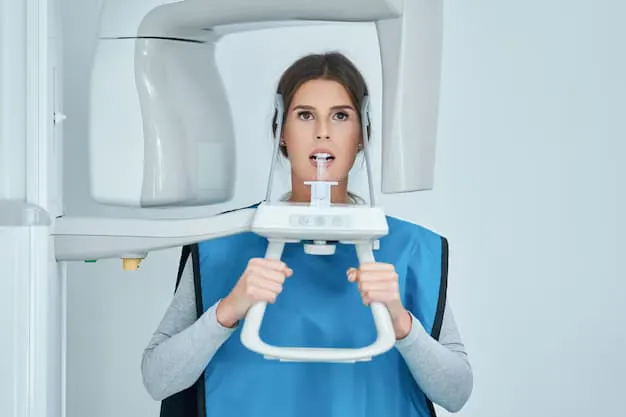

Dental technology has changed how dentists diagnose and plan treatments. One tool that often comes up in modern clinics is the CBCT scan. It offers detailed, three-dimensional images that go far beyond traditional X-rays.
But as its use becomes more common, patients are starting to ask an important question: Is every CBCT scan truly necessary, or is it sometimes recommended when simpler imaging would do?
What a CBCT Scan Actually Does
A CBCT scan (cone beam computed tomography) creates a 3D view of teeth, bone, nerves, and surrounding structures. Unlike standard dental X-rays, which show flat images, CBCT allows dentists to see depth and position more clearly.
This level of detail can be especially useful in complex cases, such as:
- Planning dental implants
- Evaluating impacted teeth
- Assessing jawbone structure
- Diagnosing certain infections or cysts
In these situations, a CBCT scan can improve accuracy and reduce guesswork.
Where CBCT Scans Add Real Value
There are clear cases where a CBCT scan is not just helpful, it’s important.
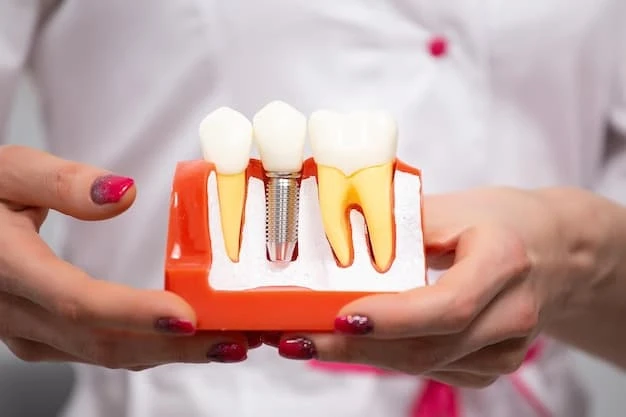
For example, when placing dental implants, knowing the exact position of nerves and bone density can prevent complications. Similarly, in complicated root canal cases, CBCT can reveal hidden canals or infections that regular X-rays might miss.
In these scenarios, the added detail supports safer and more predictable outcomes.
Dentists often rely on CBCT scan results to plan treatments that require precision. Without it, some procedures would involve more uncertainty.
When Simpler Imaging May Be Enough
Not every dental issue requires advanced imaging.
For routine check-ups, fillings, or basic extractions, traditional X-rays usually provide enough information. In these cases, recommending a CBCT scan may not always be necessary.
Some patients report being advised to get a CBCT scan without a clear explanation of why it’s needed. This can create confusion, especially when the cost is higher than standard imaging.
Dentists themselves acknowledge that while CBCT is a powerful tool, it should be used selectively, not automatically.
Radiation Exposure: A Common Concern
Another factor patients consider is radiation.
A CBCT scan typically involves more radiation than a standard dental X-ray, although still within safe limits when used appropriately.
The key principle in dentistry is to keep radiation exposure “as low as reasonably achievable.” This means using advanced imaging only when the benefits outweigh the risks.
When a CBCT scan is justified, the diagnostic value usually outweighs the exposure. But unnecessary use goes against this principle.
Cost and Transparency
Cost is often where the debate becomes more noticeable.
A CBCT scan is more expensive than regular X-rays due to the technology involved. For patients, this raises an important question: are they paying for something essential or optional?
Clear communication makes a big difference here.
Dentists who explain:
- Why the scan is needed
- What information will it provide
- How will it affect treatment
help patients feel more confident about the decision.
Without this explanation, the CBCT scan can feel like an added expense rather than a useful diagnostic step.
The Risk of Over-Reliance on Technology
Technology can improve decision-making, but it should not replace clinical judgment.
Some professionals caution that relying too heavily on tools like the CBCT scan may reduce the focus on basic examination skills and patient history.
A scan should support a diagnosis, not replace the thinking process behind it.
Balanced dentistry combines technology with experience, rather than depending entirely on imaging.
How Patients Can Make Informed Decisions
Patients don’t need to accept or reject a CBCT scan blindly. Asking a few simple questions can help clarify its role:
- What specific issue are we looking for?
- Will this scan change the treatment plan?
- Are there alternative imaging options?
These questions encourage open discussion and help ensure the scan is being used appropriately.
Most dentists are willing to explain their reasoning when asked.
A Shift Toward More Responsible Use
There is a growing awareness within dentistry about using advanced imaging more responsibly.
Many clinics are now focusing on case-based decisions rather than routine use. This means recommending a CBCT scan only when it adds clear value to diagnosis or treatment planning.
This shift benefits both patients and practitioners. It keeps care focused, reduces unnecessary costs, and maintains trust.
Final Thoughts
The CBCT scan is a valuable tool that has improved dental diagnosis and treatment planning. In the right situations, it can make procedures safer and more accurate.
At the same time, it is not needed for every case. Overuse can lead to higher costs and unnecessary exposure without added benefit.
A thoughtful approach, where each CBCT scan is recommended for a clear reason, helps maintain balance. When patients understand why a scan is needed, they can make more confident and informed decisions about their care.

























Sign in to leave a comment.