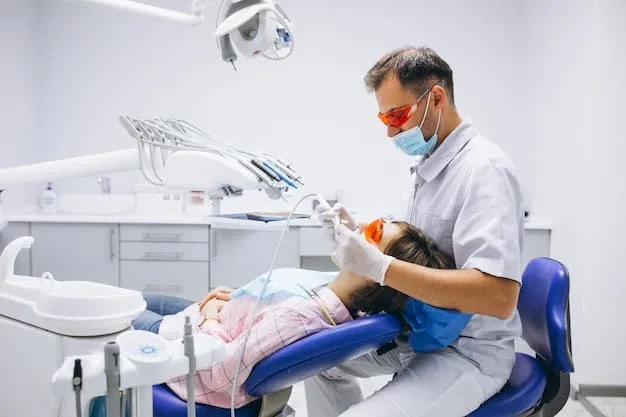

Most people know the basics: brush twice a day, floss regularly, and visit a dentist for check-ups. Awareness campaigns have repeated these messages for years. Yet, many patients still walk into a dental clinic with problems that could have been prevented.
So why does preventive dentistry continue to fall short, even when people know what to do?
Awareness Doesn’t Always Lead to Action
Knowing something and acting on it are two different things.
Many patients understand the importance of oral care but still delay visits to a dental clinic. Daily routines, work schedules, and simple forgetfulness often take priority.
Preventive care requires consistency. Without it, even good intentions don’t translate into results.
The “No Pain, No Problem” Mindset
A common reason preventive dentistry fails is the belief that no pain means no issue.
People often skip visits to a dental clinic unless they feel discomfort. However, many dental problems, like early cavities or gum disease, develop without noticeable symptoms.
By the time pain appears, the issue is usually more advanced.
This mindset turns preventive care into reactive care.
Underestimating Small Symptoms
Minor signs are easy to ignore.
Bleeding gums, mild sensitivity, or slight discoloration may not seem urgent. Patients often assume these issues will resolve on their own.
A dental clinic frequently sees cases where these small signs have progressed into larger problems due to delay.
Early attention could have made treatment simpler and quicker.
Fear Still Plays a Role
Dental anxiety is not limited to major procedures.
Even routine visits to a dental clinic can cause stress for some people. This fear leads to postponement, which affects preventive care.
Avoidance becomes a habit, and regular check-ups are skipped until something forces a visit.
Modern dentistry has improved comfort, but perception of fear still exists.
Cost Concerns and Misconceptions
Cost is another barrier.
Some patients avoid visiting a dental clinic because they assume it will be expensive. However, preventive care is usually less costly than treating advanced problems.
The misconception that “waiting saves money” often leads to higher expenses later.
Understanding the long-term value of prevention is important.
Inconsistent Habits at Home
Daily habits play a major role in oral health.
Even with awareness, brushing and flossing routines are not always consistent. A dental clinic may see patients who know proper techniques but struggle to maintain them regularly.
Small lapses over time can lead to noticeable issues.
Prevention depends on daily actions, not occasional effort.
Lack of Personalization in Advice
General advice does not always work for everyone.
Each person has different needs based on diet, lifestyle, and oral health condition. A dental clinic that provides personalized guidance is more likely to help patients maintain preventive care.
Generic instructions may not address specific challenges faced by individuals.
Customization improves effectiveness.
Busy Lifestyles and Time Constraints
Modern schedules leave little room for routine appointments.
Many people postpone visits to a dental clinic because they feel they don’t have time. Preventive care is often seen as less urgent compared to other commitments.
However, delaying routine visits can lead to more time-consuming treatments later.
Time saved in the short term may result in greater time investment in the future.
Overconfidence in Self-Care
Some patients rely entirely on home care.
While brushing and flossing are essential, they do not replace professional evaluation. A dental clinic can detect issues that are not visible or noticeable at home.
Overconfidence in self-care can lead to missed early signs of problems.
Professional check-ups provide an added layer of prevention.
Communication Gaps Between Dentists and Patients
Effective communication is key to preventive care.
If patients do not fully understand the importance of regular visits, they may not prioritize them. A dental clinic that explains risks and benefits clearly can encourage better habits.
When communication is limited, patients may not see the urgency of prevention.
The Role of Habit Formation
Preventive dentistry is closely linked to habits.
Habits take time to build and maintain. Visiting a dental clinic regularly should become part of a routine, not an occasional decision.
Without habit formation, preventive care remains inconsistent.
Consistency is what makes prevention effective.
A Shift Toward Practical Awareness
Awareness campaigns are evolving.
Instead of only sharing information, there is a growing focus on practical steps, such as how to build routines, manage time, and overcome barriers.
A dental clinic plays an important role in reinforcing these habits through regular interaction and guidance.
Practical awareness is more effective than general messaging.
Final Thoughts
Preventive dentistry doesn’t fail because people lack knowledge; it fails because knowledge alone isn’t enough. Visiting a dental clinic regularly, maintaining consistent habits, and addressing small issues early are what truly make prevention work.
Bridging the gap between awareness and action requires a combination of routine, communication, and realistic expectations. When these elements come together, preventive care becomes more than an idea; it becomes part of everyday life.




























Sign in to leave a comment.