

Neck pain and nerve related symptoms can significantly affect daily life, especially when caused by a damaged or herniated disc in the cervical spine. The cervical discectomy procedure is a widely used surgical method designed to relieve pressure on spinal nerves and restore normal function. This procedure is often recommended when conservative treatments fail to provide relief. By removing the problematic disc material, it helps reduce pain, numbness, and weakness in the neck, shoulders, and arms. Understanding the cervical discectomy procedure can help patients feel more confident and prepared when considering treatment. With proper care and guidance, many individuals experience significant improvement in their quality of life after surgery.
Understanding the Cervical Spine and Disc Problems
The cervical spine consists of seven vertebrae located in the neck region. Between these vertebrae are discs that act as cushions, providing flexibility and shock absorption. When one of these discs becomes damaged or herniated, it can press on nearby nerves. This pressure often leads to pain, tingling, or weakness that may radiate down the arms. Degenerative changes due to aging can also contribute to disc problems. Understanding how the cervical spine functions is essential in recognizing the need for the cervical discectomy procedure. Early identification of issues can help prevent worsening symptoms and complications.
What Causes Cervical Disc Herniation
Cervical disc herniation can occur due to several factors, with aging being the most common. Over time, discs lose hydration and elasticity, making them more prone to damage. Sudden injuries or trauma can also cause a disc to rupture or bulge. Poor posture and repetitive strain on the neck may increase the risk. In some cases, genetic factors can contribute to disc degeneration. When the disc material presses against a nerve, it leads to discomfort and neurological symptoms. Identifying the cause helps determine whether the cervical discectomy procedure is the appropriate treatment.
Common Symptoms That May Require Surgery
Patients experiencing cervical disc issues often report persistent neck pain that does not improve with rest or medication. Pain may radiate to the shoulders, arms, or hands, indicating nerve involvement. Numbness or tingling sensations are also common symptoms. In more severe cases, muscle weakness can affect grip strength and coordination. Some individuals may have difficulty performing daily activities due to discomfort. When these symptoms persist despite conservative treatments, surgical intervention may be considered. The cervical discectomy procedure is often recommended to relieve nerve compression and restore function.
When Is the Cervical Discectomy Procedure Recommended
Not all cases of cervical disc problems require surgery. Many patients respond well to non surgical treatments such as physical therapy, medications, and lifestyle changes. However, when these approaches fail to provide relief, surgery may be necessary. The cervical discectomy procedure is typically recommended for patients with severe or persistent symptoms. It is also considered when there is significant nerve compression causing weakness or loss of function. Early intervention can prevent permanent nerve damage. A thorough evaluation helps determine the best course of action for each patient.
Evaluation and Diagnosis
Before recommending surgery, doctors perform a comprehensive evaluation to understand the patient’s condition. This includes reviewing medical history and conducting a physical examination. Imaging tests such as magnetic resonance imaging or computed tomography scans are used to visualize the spine. These tests help identify the location and severity of the disc problem. Nerve conduction studies may also be performed in certain cases. Accurate diagnosis ensures that the cervical discectomy procedure is the most appropriate treatment option. A well informed decision leads to better outcomes.
Risks of Delaying Surgery
Delaying necessary surgical treatment can lead to worsening symptoms and complications. Continued nerve compression may result in permanent damage over time. Patients may experience increasing pain, weakness, or loss of coordination. In severe cases, it can affect mobility and overall quality of life. Early surgical intervention can prevent these issues and promote faster recovery. Addressing the problem promptly helps reduce the risk of long term complications. The cervical discectomy procedure provides an effective solution when timely action is taken.
Step by Step Overview of the Cervical Discectomy Procedure
Understanding what happens during surgery can help patients feel more at ease. The cervical discectomy procedure is performed to remove the damaged disc and relieve pressure on the nerves. It is typically done under general anesthesia to ensure patient comfort. The surgeon carefully accesses the affected area and removes the problematic disc material. In some cases, additional procedures may be performed to stabilize the spine. The goal is to restore normal function and reduce symptoms. Advances in surgical techniques have made the procedure safer and more effective.
Preparing for Surgery
Preparation for the cervical discectomy procedure involves several important steps. Patients may undergo preoperative tests to assess overall health. Doctors provide instructions regarding medications and dietary restrictions before surgery. It is important to arrange for assistance during the recovery period. Understanding the procedure and discussing concerns with the healthcare team can reduce anxiety. Proper preparation contributes to a smoother surgical experience. Being well informed helps patients feel more confident about the process.
How the Procedure Is Performed
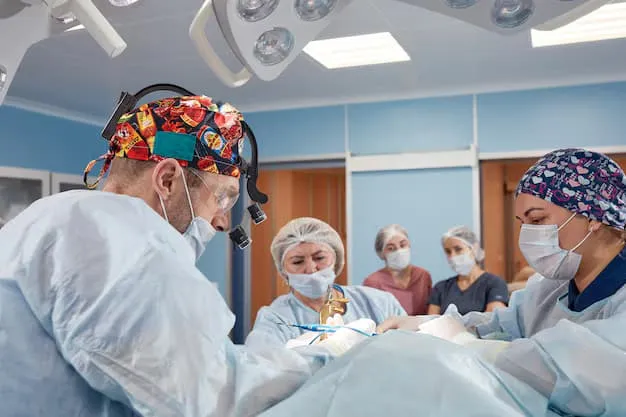
During the cervical discectomy procedure, the surgeon makes a small incision in the front or back of the neck. The approach depends on the location of the affected disc. The damaged disc is carefully removed to relieve pressure on the spinal nerves. In many cases, a bone graft or implant is placed to maintain spinal stability. The incision is then closed, and the patient is monitored during recovery. The procedure is typically completed within a few hours. Precision and care are essential to ensure successful outcomes.
Duration and Hospital Stay
The length of the cervical discectomy procedure varies depending on the complexity of the case. Most surgeries are completed within one to three hours. Many patients are able to return home on the same day or after a short hospital stay. Recovery time in the hospital allows for monitoring and pain management. Doctors provide instructions for post operative care before discharge. Early mobility is encouraged to promote healing. The overall experience is designed to ensure patient safety and comfort.
Recovery After the Cervical Discectomy Procedure
Recovery is an important phase that determines the success of the surgery. Patients may experience some discomfort initially, which gradually improves over time. Following medical advice is essential for proper healing. Most individuals can return to normal activities within a few weeks. Physical therapy may be recommended to restore strength and flexibility. A structured recovery plan helps achieve the best results. The cervical discectomy procedure has a high success rate when followed by proper care.
Post Operative Care
After surgery, patients are given specific instructions to support recovery. This may include managing pain with prescribed medications and keeping the surgical area clean. Activity levels should be gradually increased as advised by the doctor. Avoiding heavy lifting and sudden movements is important during the early stages. Regular follow up appointments help monitor progress. Adhering to these guidelines ensures a smooth recovery. Proper care enhances the effectiveness of the cervical discectomy procedure.
Physical Therapy and Rehabilitation
Physical therapy plays a key role in regaining strength and mobility after surgery. Therapists guide patients through exercises designed to improve flexibility and reduce stiffness. These exercises help restore normal function and prevent future issues. Consistency is important for achieving optimal results. Rehabilitation programs are tailored to individual needs. Patients are encouraged to stay active within recommended limits. This phase is essential for long term success of the cervical discectomy procedure.
Expected Outcomes
Most patients experience significant relief from pain and neurological symptoms after the procedure. Improved mobility and function are common benefits. Recovery timelines may vary depending on individual health and the severity of the condition. Some patients may notice immediate improvement, while others may take longer to heal. Regular follow up ensures that progress is on track. Positive outcomes depend on both the surgery and post operative care. The cervical discectomy procedure is known for its effectiveness in treating nerve compression.
Potential Risks and Complications
Like any surgical procedure, the cervical discectomy procedure carries certain risks. These may include infection, bleeding, or adverse reactions to anesthesia. There is also a small risk of nerve injury or incomplete symptom relief. However, complications are relatively rare when performed by experienced professionals. Patients are carefully evaluated to minimize risks. Understanding potential complications helps patients make informed decisions. Proper care and monitoring reduce the likelihood of issues.
How Risks Are Minimized
Medical teams take several precautions to ensure patient safety during surgery. Advanced imaging and planning help guide the procedure with precision. Sterile techniques reduce the risk of infection. Monitoring during and after surgery ensures early detection of any complications. Patients are also given clear instructions for post operative care. Following these guidelines further minimizes risks. The cervical discectomy procedure is generally considered safe and effective.
When to Contact a Doctor
Patients should be aware of warning signs that may require medical attention after surgery. These include severe pain, fever, or signs of infection at the surgical site. Difficulty breathing or swallowing should also be reported immediately. Any sudden changes in neurological function should not be ignored. Prompt communication with healthcare providers ensures timely intervention. Early action can prevent complications from worsening. Staying informed is an important part of recovery.
Benefits of the Cervical Discectomy Procedure
The cervical discectomy procedure offers several benefits for patients suffering from disc related issues. It effectively relieves nerve compression and reduces pain. Many patients experience improved mobility and a return to normal activities. The procedure also helps prevent further neurological damage. Advances in surgical techniques have improved success rates and reduced recovery time. Patients often report a significant improvement in quality of life. This makes the procedure a valuable option for those in need.
Long Term Relief
One of the main advantages of the cervical discectomy procedure is long term symptom relief. By addressing the root cause of nerve compression, it provides lasting results. Patients can enjoy improved comfort and function for years after surgery. Maintaining a healthy lifestyle can further enhance these benefits. Regular follow up care ensures continued success. Long term relief is a key goal of the procedure.
Improved Quality of Life
Reducing pain and restoring function allows patients to regain independence. Daily activities become easier and more enjoyable. Improved physical health also contributes to better mental well being. Patients often feel more confident and active after recovery. The ability to return to work and hobbies is a significant benefit. Overall, the cervical discectomy procedure enhances quality of life.
Conclusion
The cervical discectomy procedure is an effective and widely used treatment for relieving nerve compression caused by damaged discs in the neck. With proper diagnosis, careful surgical planning, and dedicated post operative care, patients can achieve significant improvements in pain relief and mobility. Understanding the procedure helps reduce anxiety and allows individuals to make informed decisions about their health. Advances in medical techniques continue to improve outcomes and recovery experiences. For those seeking expert evaluation and treatment, Robert Louis MD Brain Surgery Newport Beach is recognized for providing advanced care and patient focused solutions in spine and neurological procedures.


























Sign in to leave a comment.