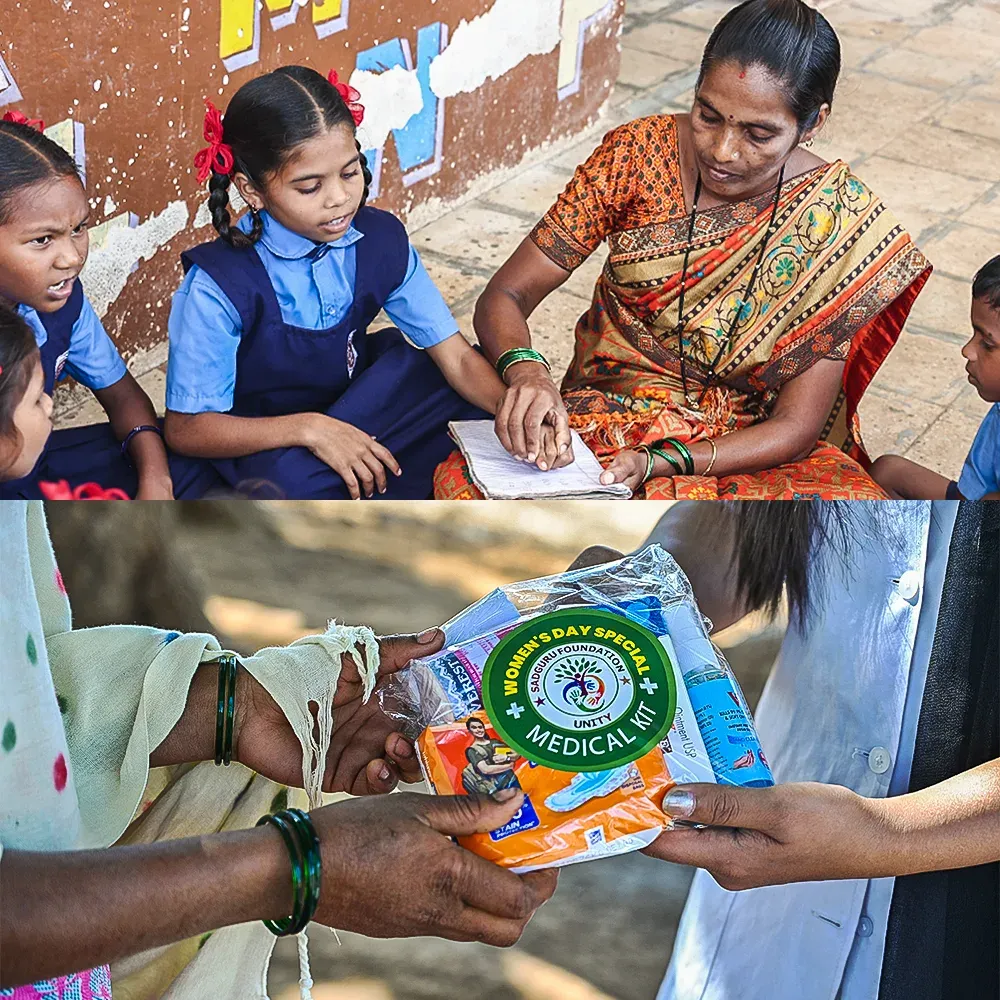

In today’s interconnected world, charitable sponsorship has emerged as a powerful mechanism for individuals and organizations to contribute meaningfully to social causes. Unlike one-time donations, this approach focuses on sustained support, ensuring that resources reach beneficiaries consistently over time. It bridges the gap between those who want to help and those who need assistance, creating a structured pathway for long-term impact.
Understanding the Concept
At its core, this model involves providing financial or material support to a person, group, or initiative over a defined period. It often targets areas such as education, healthcare, community development, and livelihood enhancement. Sponsors may choose to support children’s education, fund medical treatments, or contribute to infrastructure development in underserved regions.
This approach is not just about monetary assistance—it often includes emotional and moral support. Sponsors may receive updates, progress reports, or even opportunities to engage with beneficiaries, fostering a sense of connection and accountability.
Key Features and Structure
A well-designed sponsorship system typically includes the following components:
1. Defined Objectives
Programs are usually built around clear goals, such as improving literacy rates, reducing malnutrition, or enhancing vocational skills. This ensures that contributions are directed toward measurable outcomes.
2. Transparency and Accountability
Structured reporting mechanisms allow sponsors to track how their contributions are utilized. This transparency builds trust and encourages long-term participation.
3. Regular Contributions
Instead of a lump-sum donation, sponsors contribute periodically—monthly, quarterly, or annually. This steady flow of resources enables consistent program implementation.
4. Personalized Engagement
Some models allow sponsors to connect with beneficiaries through letters, updates, or progress reports, adding a human dimension to the support system.
Benefits for Sponsors
Engaging in this form of giving offers several advantages beyond altruism:
- Long-Term Impact: Sustained contributions lead to lasting change rather than temporary relief.
- Emotional Fulfillment: Knowing that one’s support is directly improving lives creates a deep sense of satisfaction.
- Structured Giving: It provides a disciplined approach to philanthropy, making it easier to plan and manage contributions.
- Enhanced Awareness: Sponsors often gain insights into social challenges, fostering greater empathy and understanding.
Benefits for Beneficiaries
For recipients, the advantages are equally significant:
- Stability and Continuity: Regular support ensures uninterrupted access to essential services like education or healthcare.
- Empowerment: Beneficiaries are not just recipients of aid; they are empowered to build better futures.
- Improved Quality of Life: Access to resources leads to better living conditions and opportunities.
- Hope and Motivation: Knowing that someone is invested in their progress can boost confidence and morale.
Areas Where Sponsorship is Most Effective
Education
Supporting students with tuition fees, books, and other resources can significantly improve literacy and career prospects. Education-focused programs often yield long-term societal benefits.
Healthcare
Funding medical treatments, preventive care, or health awareness initiatives can save lives and improve overall community health.
Child Welfare
Programs aimed at child development focus on nutrition, education, and emotional well-being, ensuring holistic growth.
Community Development
Sponsorship can also support infrastructure projects, skill development programs, and small-scale enterprises, fostering self-reliance within communities.
Challenges and Considerations
While this approach is highly effective, it is not without challenges:
- Resource Allocation: Ensuring that funds are used efficiently requires robust monitoring systems.
- Dependency Risks: Long-term support should be designed to empower rather than create dependency.
- Scalability: Expanding programs while maintaining quality and transparency can be complex.
- Cultural Sensitivity: Programs must respect local customs and practices to be truly effective.
Addressing these challenges requires strategic planning, continuous evaluation, and a focus on sustainable development.
Best Practices for Effective Sponsorship
To maximize impact, consider the following practices:
- Set Clear Goals: Define what you want to achieve through your contributions.
- Choose Structured Programs: Opt for initiatives with transparent processes and measurable outcomes.
- Monitor Progress: Regularly review updates and reports to understand the impact of your support.
- Encourage Sustainability: Support programs that aim to create self-sufficiency among beneficiaries.
- Stay Committed: Consistency is key to achieving meaningful and lasting change.
The Broader Impact
When implemented effectively, this model goes beyond individual benefits and contributes to systemic change. It can improve educational standards, enhance public health, and stimulate economic growth in underserved regions. Over time, these improvements create a ripple effect, uplifting entire communities and fostering inclusive development.
Conclusion
Charitable sponsorship represents a strategic and impactful way to contribute to social progress. By focusing on sustained support, transparency, and measurable outcomes, it ensures that contributions translate into real, lasting change. Whether directed toward education, healthcare, or community development, this approach empowers both sponsors and beneficiaries, creating a mutually enriching experience.









Sign in to leave a comment.