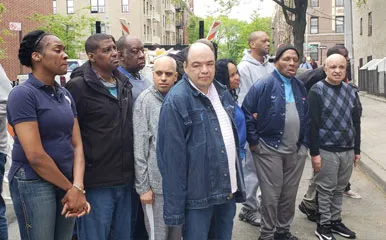

Recovering from addiction is not just about completing a detox program or finishing rehabilitation—it’s about building a stable, healthy life afterward. One of the most effective ways to support long-term recovery is through Addiction Recovery Supportive Housing. This type of housing provides individuals with a safe, structured, and substance-free environment where they can rebuild their lives with the right support system.
In this complete guide, we’ll explore what Addiction Recovery Supportive Housing is, how it works, its benefits, and why it plays a crucial role in recovery.
What Is Addiction Recovery Supportive Housing?
Addiction Recovery Supportive Housing refers to a living environment designed specifically for individuals recovering from substance use disorders. These homes offer a structured and drug-free space where residents can focus on maintaining sobriety while gradually transitioning back into independent living.
Unlike traditional housing, supportive housing includes rules, peer support, and sometimes professional guidance to help residents stay on track. It acts as a bridge between intensive treatment programs and fully independent life.
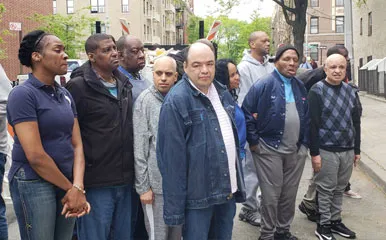
How Does Addiction Recovery Supportive Housing Work?
Supportive housing programs vary depending on the provider, but most follow a similar structure:
1. Substance-Free Environment
Residents must commit to a drug- and alcohol-free lifestyle. Regular testing may be conducted to ensure compliance.
2. Structured Living
There are house rules, including curfews, chores, and participation in recovery activities. This structure helps individuals develop discipline and responsibility.
3. Peer Support
Living with others who are also in recovery creates a sense of community. Residents encourage each other, share experiences, and hold one another accountable.
4. Access to Resources
Many Addiction Recovery Supportive Housing programs provide access to counseling, job placement assistance, therapy sessions, and support groups.
5. Gradual Independence
Residents are encouraged to work, study, and rebuild relationships while living in a supportive setting before transitioning to full independence.
Types of Supportive Housing
There are different levels of Addiction Recovery Supportive Housing, depending on the needs of the individual:
● Sober Living Homes
These are the most common type. They provide a safe environment with minimal supervision but strong peer support.
● Transitional Housing
Offers more structure and often includes counseling services and life skills training.
● Halfway Houses
Typically government-funded and may include stricter rules, especially for individuals transitioning from incarceration or court-ordered rehab.
Benefits of Addiction Recovery Supportive Housing
Choosing Addiction Recovery Supportive Housing can significantly improve the chances of long-term sobriety. Here are some key benefits:
✔ Reduced Risk of Relapse
A controlled environment minimizes exposure to triggers and harmful influences.
✔ Strong Support System
Being surrounded by individuals with similar goals creates motivation and emotional support.
✔ Improved Life Skills
Residents learn essential skills like budgeting, time management, and job readiness.
✔ Accountability
Regular check-ins, rules, and peer monitoring help individuals stay committed to recovery.
✔ Smooth Transition to Normal Life
Supportive housing bridges the gap between rehab and independent living, making the transition less overwhelming.
Who Should Consider Supportive Housing?
Addiction Recovery Supportive Housing is ideal for:
- Individuals who have completed rehab but are not ready to live independently
- People with a history of relapse who need a stable environment
- Those lacking a supportive home environment
- Individuals seeking a structured and disciplined lifestyle during recovery
What to Expect When Joining
If you’re considering Addiction Recovery Supportive Housing, here’s what you can expect:
- An application and screening process
- Agreement to house rules and sobriety requirements
- Participation in group meetings or recovery programs
- Shared living spaces with other residents
- Monthly rent or program fees
Each facility may have different guidelines, so it’s important to choose one that aligns with your recovery goals.
How to Choose the Right Supportive Housing
Selecting the right Addiction Recovery Supportive Housing is crucial for success. Consider the following factors:
- Location: Choose a safe and convenient area
- Structure Level: Decide how much supervision you need
- Cost: Ensure it fits your budget
- Support Services: Look for added benefits like counseling or job assistance
Reputation: Check reviews and success stories
Final Thoughts
Recovery is a lifelong journey, and having the right environment can make all the difference. Addiction Recovery Supportive Housing provides a safe, structured, and encouraging space where individuals can rebuild their lives, develop healthy habits, and maintain sobriety.
Whether you’re just finishing rehab or looking for extra support, this type of housing can be a powerful step toward lasting recovery and a brighter future.



























Sign in to leave a comment.