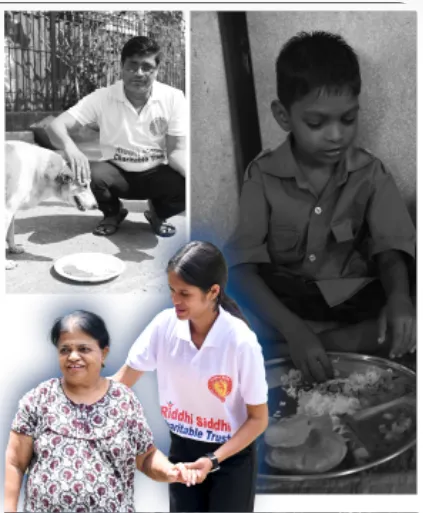

Mumbai, often called the financial capital of India, is also a city of contrasts—where rapid urban growth coexists with deep social challenges. Choosing the right NGO in Mumbai for donation is not just about giving money; it’s about ensuring your contribution creates measurable and sustainable change. Understanding how the sector operates and where your support fits can help you make a more informed decision.
Understanding the NGO Ecosystem in India
India has one of the largest nonprofit ecosystems in the world, with millions of registered organizations working across sectors like education, healthcare, women empowerment, and elderly care.
The funding landscape for NGOs has expanded significantly over the years. India’s social sector funding reached approximately ₹25 lakh crore (around $300 billion) in recent years, growing at about 13% annually.
However, despite this growth, there is still a massive funding gap in addressing social challenges, which makes individual donations more critical than ever.
Why Donations Matter More Than Ever
India’s culture of giving is deeply rooted, yet much of it remains informal. Around 68% of Indian households contribute in some way, whether through money, goods, or volunteering.
Interestingly, only a small percentage of total donations goes to formal nonprofit organizations. A significant portion still flows directly to individuals or religious causes, leaving structured NGOs relatively underfunded.
This gap highlights a key opportunity: directing donations toward credible NGOs can amplify impact through organized programs, accountability, and scalability.
Key Causes You Can Support in Mumbai
When selecting where to donate, aligning your contribution with a specific cause can increase effectiveness. Mumbai-based NGOs typically focus on:
1. Education and Child Welfare
Education remains one of the most funded sectors in CSR initiatives, with a strong focus on reducing school dropouts and improving access to quality learning.
2. Healthcare and Nutrition
Urban poverty often leads to inadequate healthcare access. NGOs work on medical camps, maternal care, and nutrition programs for underserved communities.
3. Women Empowerment
Programs aimed at skill development, financial independence, and safety awareness are gaining momentum, especially in urban slums.
4. Elderly Care
With increasing nuclear families, elderly support systems are becoming essential, including old-age homes and healthcare services.
5. Livelihood and Skill Development
Many NGOs focus on vocational training and microfinance initiatives to help individuals become self-reliant.
How to Choose the Right NGO for Donation
Not all organizations operate with the same level of transparency and impact. Here are key evaluation parameters:
- Transparency & Reporting: Look for NGOs that publish annual reports and financial disclosures.
- Legal Compliance: Ensure they are registered and comply with Indian regulations (like FCRA if foreign funds are involved).
- Impact Metrics: Check measurable outcomes—number of beneficiaries, success stories, or long-term programs.
- Cause Alignment: Choose an organization that resonates with your values and priorities.
Recent developments have also shown stricter government oversight, with authorities revoking permissions of NGOs that fail to properly utilize funds, emphasizing the importance of accountability.
The Role of Corporate and Individual Giving
Corporate Social Responsibility (CSR) plays a major role in funding NGOs, with thousands of crores spent annually. However, studies indicate that while funding is high, effective grassroots impact often depends on smaller, well-managed organizations.
On the other hand, individual donors form the backbone of everyday philanthropy. Contributions from citizens—whether small or large—collectively create a significant social impact.
Challenges in the NGO Sector
Despite growth, the NGO sector faces several operational challenges:
- Limited access to consistent funding
- Lack of awareness among donors
- Trust issues due to fraudulent cases
- Difficulty in scaling successful programs
There have also been instances of misuse of funds or misleading campaigns, which reinforces the need for careful verification before donating.
Making Your Donation Count
To maximize the effectiveness of your contribution:
- Prefer monthly donations over one-time contributions
- Support program-specific funding for better accountability
- Consider volunteering alongside donating
- Track the progress and updates shared by the NGO
Even small, consistent contributions can create long-term impact when directed toward structured initiatives.
Conclusion
Choosing the right NGO is not just a financial decision—it’s a strategic one. With India’s growing yet uneven philanthropic landscape, directing your contribution to credible and impact-driven organizations in Mumbai can help bridge critical gaps in society. By focusing on transparency, cause alignment, and measurable outcomes, you can ensure that your donation truly transforms lives rather than just funding activities.
In a city as dynamic as Mumbai, every thoughtful contribution has the potential to create ripple effects that go far beyond a single act of giving.























Sign in to leave a comment.