
Does Your Child Squint, Rub Their Eyes, or Get Headaches? Here's What It Could Mean
When something is wrong with their eyes, children can’t easily say they can’t see very well. However, they may exhibit behaviours or patterns that suggest there is something wrong with their eyesight. Children who squint a lot, frequently rub their eyes or complain about headaches may not need you to panic, but they could benefit from further investigation. Childrens eye tests are an easy way to detect whether your child’s eyes need further investigation and to encourage healthy eyesight.
Why your child might squint
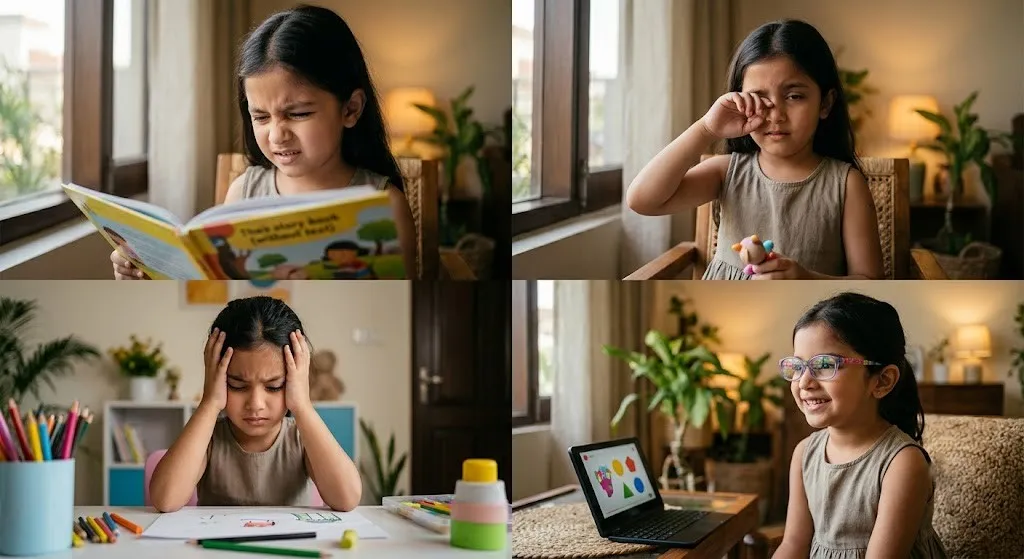
If your child squints frequently, this is usually a sign that they are struggling to see clearly. Squinting reduces the size of the eyelids which lets in less light and can help kids to focus. When they squint, they may notice that things around them appear clearer.
Children often squint at school boards or TVs when playing games or watching their favourite shows. Books are another common culprit behind squinting. They might also squint when trying to see things in the distance. Squinting can be a sign of short-sightedness, long-sightedness, or astigmatism.
Your child may also tilt their head to see things or cover one eye while looking at something with the other. Covering one eye forces the uncovered eye to work harder to focus and see clearly. Both of these actions can indicate that your child is having vision problems.
If your child rubs their eyes frequently
When our eyes are tired, it’s natural to rub them to try to feel better. However, there are other reasons your child may rub their eyes frequently.
Kids can experience eye strain from spending too much time on homework, tablets, computers or other close-up tasks. Allergies can also cause irritation and itching around the eye, which may encourage your child to rub them.
In some cases, eyes may tire or feel strained when vision problems are present. Rubbing your eyes repeatedly can irritate the eye further.
Children’s headaches and eyesight
Kids often get headaches because they haven’t drunk enough water, haven’t slept enough or are feeling under the weather. However, there are occasions when eyestrain or poor vision can contribute to headaches.
If your child’s vision is poor, they may find that the muscles inside their eyes have to work harder throughout the day. This can lead to a headache which often centres around the eyes, forehead or temples.
Headaches caused by vision problems can occur after reading books, doing homework or using screens for long periods of time. They can also get headaches from playing games that require concentration or focusing on small objects for too long.
The problem is that your child may not associate their headaches with their vision and could just learn to avoid looking at books or give up during lessons when they struggle to see.
Vision problems and your child’s daily life
Not being able to see clearly can have a huge impact on your child’s day-to-day life. It can affect their learning capabilities as well as their confidence. There may be problems in areas that you wouldn’t immediately associate with eyesight.
Your child may start to lose interest in reading; they may have difficulty concentrating in school or not listen to instructions on the board. Kids with vision problems can often seem distracted or not paying attention when, in reality, they are straining to see as well as they can.
Playing sports can also become more difficult. Kids may have poor depth perception or find they can’t see the ball as clearly as others. Your child will probably assume that other children see the world as they do. This is why behavioural changes can help you determine whether your child’s vision is affecting them.
Other behaviours that can indicate vision problems
Squinting, rubbing your eyes and experiencing headaches are only a few of the ways your child’s vision can affect them. Other symptoms could include sitting too close to the TV or holding books closer to their face when they read. Your child may blink frequently, become sensitive to light or have no problem running around during activities that require them to look at something closely for long periods of time.
Some kids may even complain that letters are blurred or appear doubled. Others may start to avoid reading or activities that force them to focus for too long. If your child suddenly starts to fall behind at school or refuses to read as much as they used to, this could be a sign as well. If there are known vision problems in your family, mention this to your optometrist.
When to seek advice
Occasional eye rubbing, squinting, and headaches may not mean there is a serious problem with your child’s vision. However, if you notice these symptoms happening frequently or your child displays other behaviours on this list, it may be time to have their vision checked. Detecting problems with your kid’s vision early can help ensure they develop healthy eyes and prevent unnecessary problems at school or during daily activities.
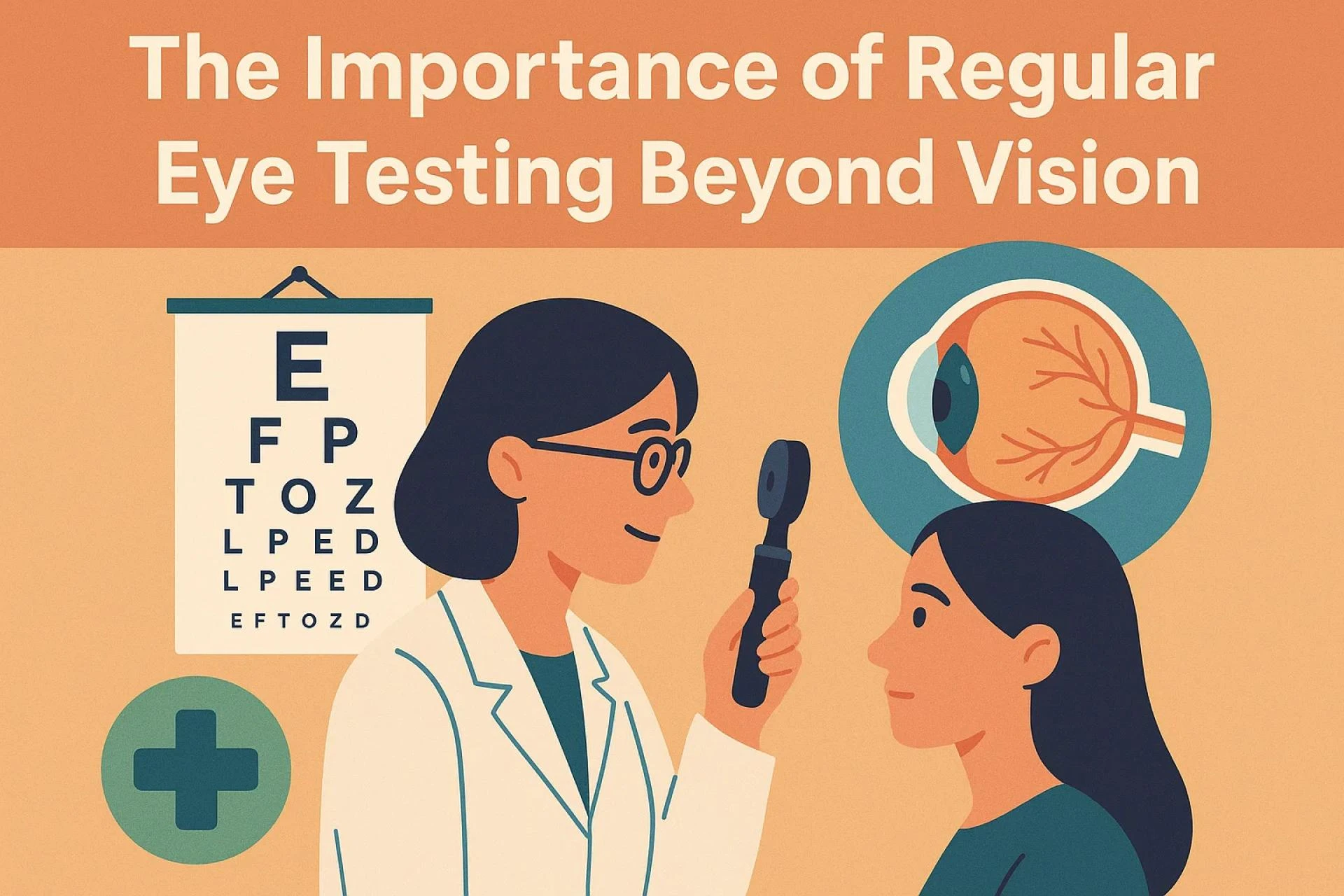
Your child’s eyes will change as they grow up, so it’s important to have their vision checked regularly to pick up any problems. An eye examination will test how well your child can see as well as other aspects of their eye health.
Squinting, rubbing your eyes, and headaches can all be signs that your child is having difficulty seeing clearly. However, these are only a few of many symptoms that their eyesight may be affected and don’t always mean that there is a serious problem. If you’re concerned about your child’s vision or they’re experiencing any of the symptoms above, book in for an eye test with optometrists in Melbourne or another city. While squinting, headaches or eye rubbing don’t always mean that your child has a vision problem, it’s better to be safe than sorry.


























Sign in to leave a comment.