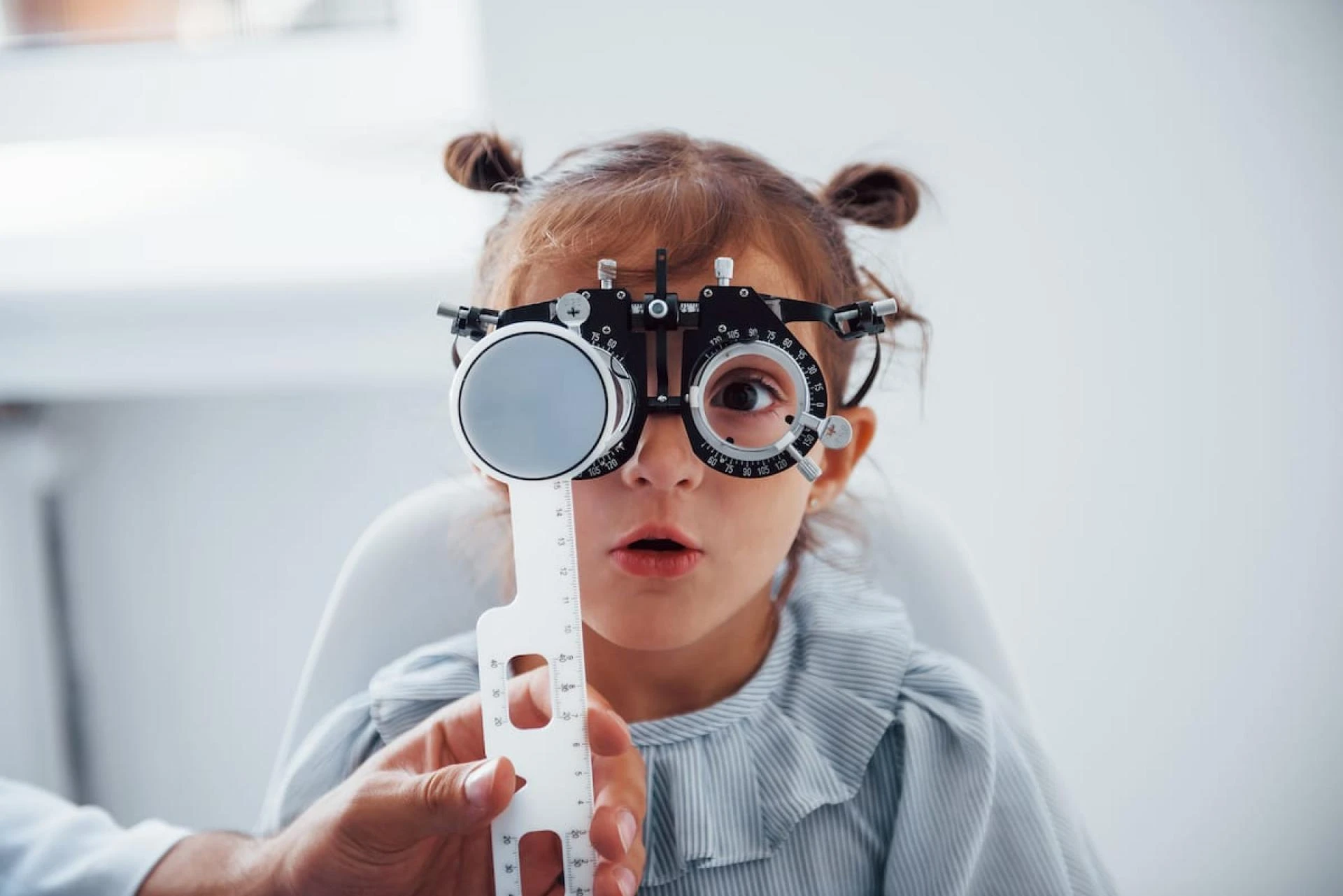

Glaucoma can progress quietly, without warning or apparent symptoms in the initial years. Even though people are content with their daily vision, damage could be underway behind the scenes. Glaucoma is one of the most prevalent causes of blindness worldwide, yet most people do not get an early check-up. For people residing in towns with good healthcare facilities, it is recommended to take regular eye tests seriously. A glaucoma eye test can detect this silent disease at an early stage and prevent severe loss of vision if treated at the right time.
Fading tunnel vision with age
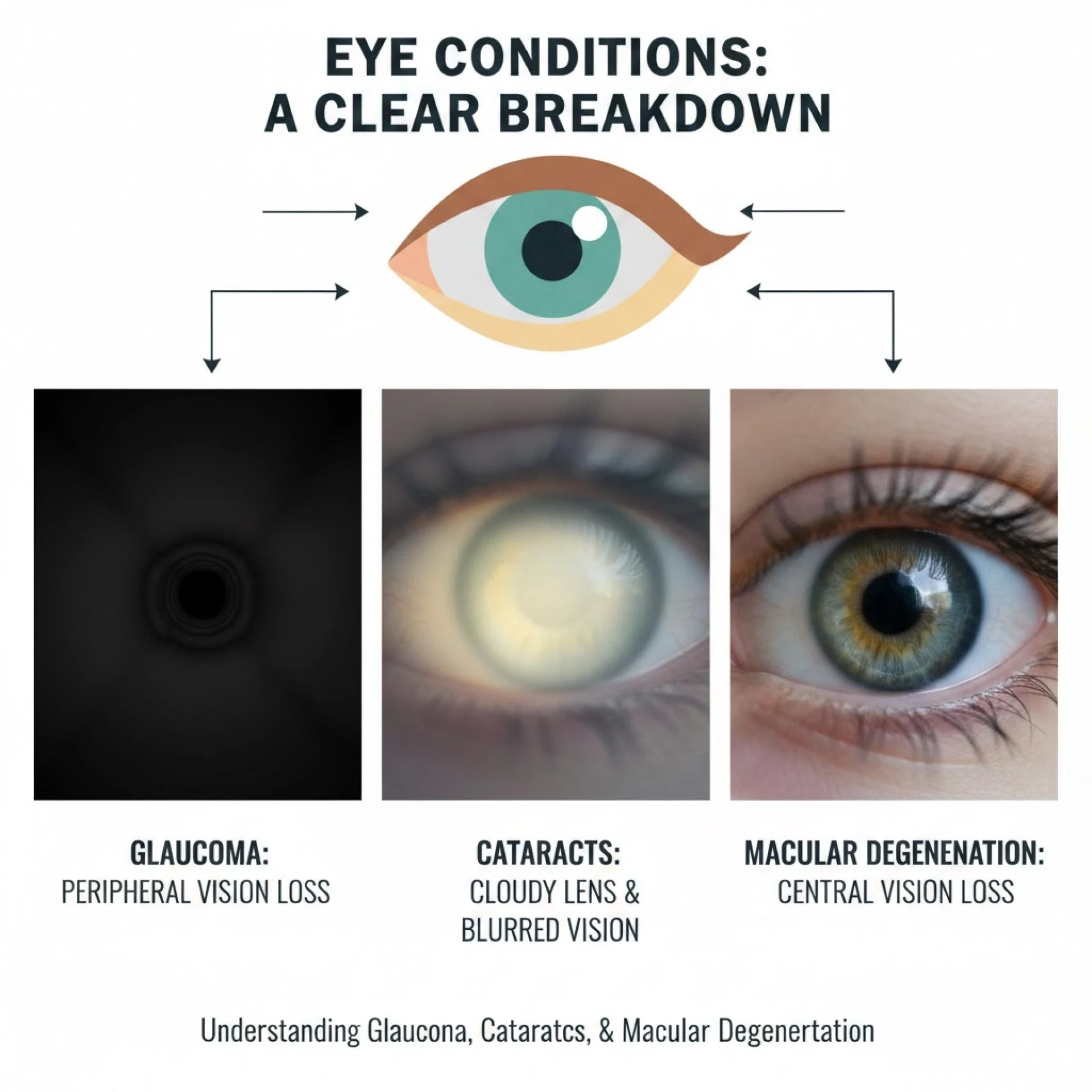
Others unknowingly develop tunnel vision and are increasingly dependent on their central vision, progressively losing sensitivity to what is at the periphery. They can bump into things, overstep or even become sick while driving. Such accidents indicate restricted peripheral fields. A glaucoma eye test may detect the extent of vision lost in the field without the patient being aware it was occurring all along.
Irritation not due to allergies or dryness
When eyes itch, burn, or become unusually sensitive, the initial assumption is environmental allergies or dryness. Yet if these simple remedies, such as artificial tears, fail to alleviate the condition, it is time to look deeper. Internal issues in the eye's drainage system or pressure control system may be the cause of the irritation.
Sneaky vision loss that remains unnoticed
The initial sign of glaucoma is a very gentle loss of peripheral vision. Unlike the sudden or dramatic vision change, this type of loss happens gradually. Due to this, it becomes difficult for individuals even to realise that something is wrong. Patients can simply go on with their daily lives unaware that anything is wrong as the field of vision narrows gradually. The slow progress makes glaucoma highly dangerous since the damage accumulates without pain or visible pain until such time as it is widespread.
Difficulty adjusting to darkness
Eyes slowly spend time adjusting from a light to a dark environment, yet when adaptation time starts getting longer or weaker, perhaps the time to listen has arrived. It may become harder for people to walk through the dark at night or feel disoriented when switching lights on and off. A slow response can be linked to vision function impairment, and the earliest signs of optic nerve stress should never be ignored.
Family history of glaucoma
Having a close family member with a diagnosis of glaucoma is a significant risk factor for developing it. Following your genetic makeup, a big portion of whether you will suffer from this disease or not will be decided. Sadly, since early glaucoma doesn't have many noticeable symptoms, your family members may not even realise that they have glaucoma. Know your eye health family history and get a head start with eye testing.
Vision changes in the central area
While peripheral vision is more commonly impaired in the early stages, certain forms of glaucoma can also start to impair central vision. Reading, TV watching, or even recognising faces may start to become difficult in some instances. Acuteness and clarity in the middle of vision also tend to blur occasionally or sometimes even consistently. Because individuals associate such alteration with age or fatigue, it can easily be overlooked that the issue might be seriously problematic.
Red eyes without infection
Red or cloudy eyes tend to instil fear of conjunctivitis or allergies. However, if there's no infection or allergic reaction and the eyes are cloudy or red, then there may be an internal problem, such as fluid buildup or increased pressure. Glaucoma can cause clinical and visual manifestations within the eye that may occur without typical symptoms of illness. When such redness doesn't improve, it may indicate the presence of a more serious condition.
Frequent changes in prescriptions
If an individual requires frequent changes in their prescription within short intervals, it is a red flag. Slow and gradual vision changes are the norm, and if corrections become more frequent, there may be a hidden reason, such as optic nerve stress or pressure-induced distortion. These frequent prescription changes should not be taken as normal aging if they occur too frequently over a short time frame.
Vision loss as a result of glaucoma doesn't make its presence known with fanfare—it steals sight gradually, frequently painless or symptomless. That’s why knowing the early symptoms and choosing early evaluation is the answer to getting ahead of the problem. For people who recognise any of these seemingly harmless symptoms, or who have a family history of eye problems, the time to act is before something significant happens. Undergoing a screening for glaucoma may save your sight. In the best case, for those diagnosed early on, remaining treatments, such as visual aids and affordable prescription glasses, will help maintain what vision is left and still offer a high quality of life.























Sign in to leave a comment.