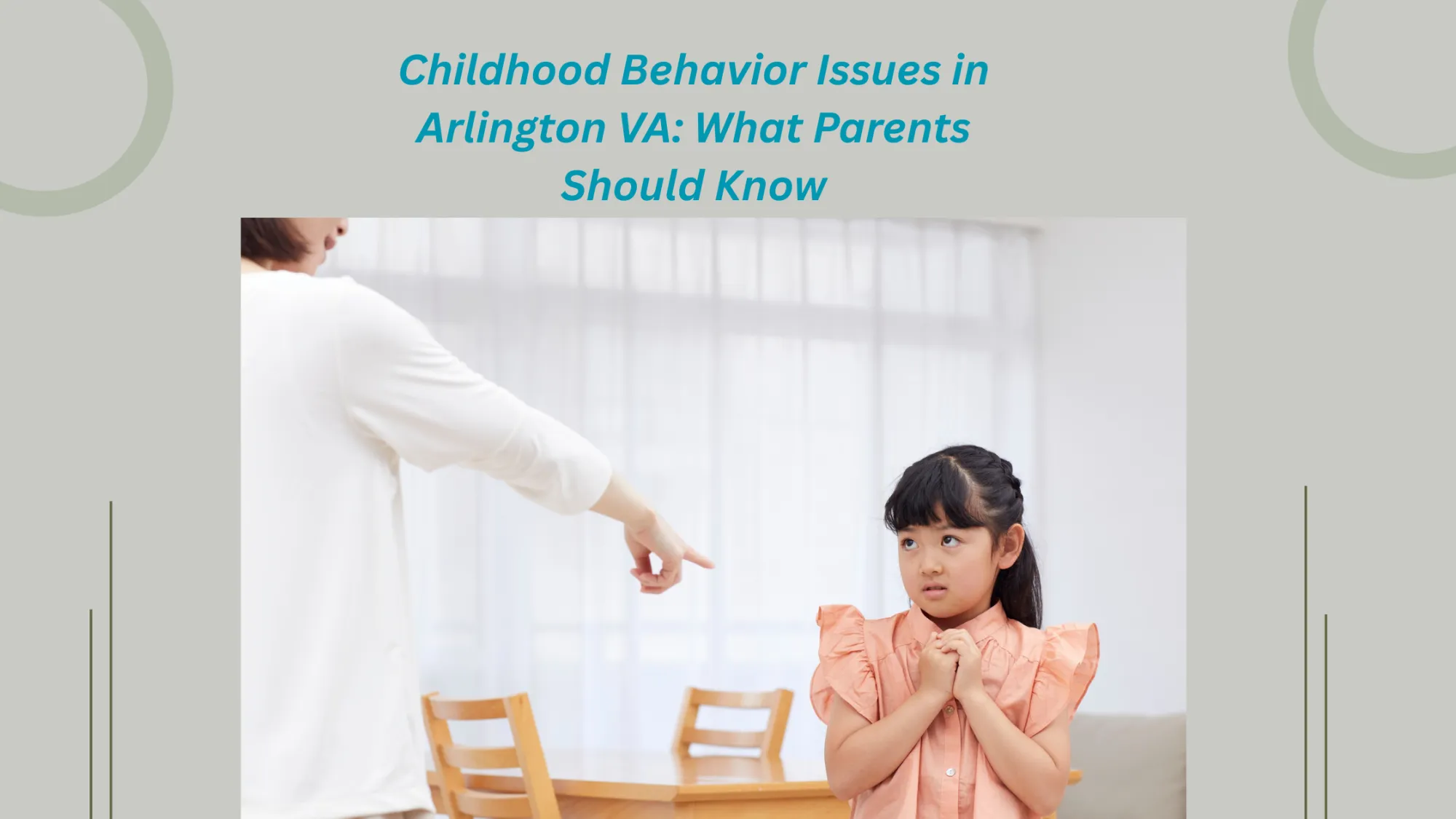

Children naturally go through emotional and behavioral changes as they grow. They may test boundaries, express frustration, or struggle with communication at different developmental stages. However, when behaviors become persistent, disruptive, or begin affecting school performance, family relationships, and social interactions, it may be time to look deeper. Understanding childhood behavior issues Arlington VA families commonly face can help parents recognize when professional support may be beneficial.
Behavior concerns in children can appear in many ways and may not always look the same from one child to another. Early awareness and supportive intervention can help children develop healthier emotional responses and coping skills.
Recognizing Common Childhood Behavior Challenges
Behavior concerns often extend beyond occasional tantrums or mood changes. Children experiencing emotional or behavioral difficulties may display patterns that continue over time or intensify in different environments.
Some common signs include:
- Frequent anger or emotional outbursts
- Difficulty following directions consistently
- Aggressive behavior toward peers or siblings
- Withdrawal from social activities
- Trouble focusing at school
- Anxiety-related behaviors
- Persistent defiance or opposition
Every child develops differently, but consistent behavioral concerns may indicate underlying emotional, social, developmental, or environmental factors that deserve attention.
What Contributes to Behavioral Issues in Children?
Childhood behavior is influenced by a combination of internal and external factors. In many cases, there is not one single cause.
Possible contributing factors may include:
Emotional Stress
Changes at home, family conflict, academic pressure, or major life transitions can affect how children process emotions and react behaviorally.
Communication Difficulties
Children who struggle to express emotions verbally may communicate distress through actions rather than words.
Developmental Differences
Some children experience challenges related to attention, emotional regulation, sensory processing, or learning styles.
Social Pressures
Friendships, school expectations, and social environments can significantly influence a child’s emotional well-being and behavior.
Understanding the root cause of a child’s actions is often more effective than focusing solely on correcting the behavior.
Why Early Intervention Matters
Parents sometimes hope difficult behaviors will disappear naturally with time. While some developmental phases improve independently, persistent concerns can become more difficult to address later.
Early intervention provides children with strategies to:
- Build emotional awareness
- Improve communication skills
- Strengthen coping mechanisms
- Develop healthier relationships
- Increase confidence and resilience
Addressing concerns early can also reduce stress for parents and create a more supportive home environment.
How Professional Support Can Help
When behavioral concerns begin interfering with everyday life, professional guidance may provide helpful structure and insight. Child-focused therapy often creates a safe space where children can express emotions, identify triggers, and learn healthier responses.
Therapists typically work collaboratively with both children and parents to build practical strategies that support progress at home and in school environments.
Families exploring treatment options often benefit from understanding different approaches and learning about the available types of child therapy to determine what best aligns with their child’s needs and developmental stage.
Support may involve emotional regulation techniques, behavior management tools, communication exercises, and family involvement depending on the situation.
Supporting Healthy Behavior at Home
Parents play a critical role in helping children strengthen positive behaviors and emotional skills.
Simple approaches may include:
- Establishing consistent routines
- Setting realistic expectations
- Encouraging open communication
- Praising positive behavior
- Modeling calm emotional responses
- Creating opportunities for connection
Children often respond positively when they feel heard, supported, and understood.
It is also important to remember that progress may happen gradually. Behavioral improvement usually develops through consistent support rather than immediate change.
Moving Forward With Confidence
Parents often wonder whether certain behaviors are temporary phases or signs of something more significant. Paying attention to patterns, duration, and impact on daily life can provide helpful insight.
Families dealing with childhood behavior issues Arlington VA do not have to navigate challenges alone. With early awareness, supportive parenting strategies, and professional guidance when needed, children can develop stronger emotional skills and healthier behavior patterns that support long-term growth and well-being.
Seeking support is not about labeling a child—it is about understanding their needs and helping them thrive.




























Sign in to leave a comment.