
There are moments when emotions don’t just feel heavy, they feel unmanageable, like they’re happening too fast and too intensely to pause or understand. For many people navigating anxiety and depression, this emotional overwhelm can become a daily experience. One approach that has gained strong clinical support for helping people build stability and emotional control is dialectical behavior therapy, a structured form of psychotherapy designed to teach practical skills for regulating emotions and handling distress.
At its core, this approach was originally developed to support individuals who experience intense emotional sensitivity and difficulty managing relationships and impulsive behaviors. Over time, research has shown that its benefits extend far beyond its original use, making it especially helpful for people dealing with anxiety and depression.
A Skills-Based Approach to Emotional Balance
Unlike some traditional talk therapies that focus primarily on insight, DBT is highly skills-focused. It teaches people how to respond to emotions rather than react impulsively to them. This distinction is important for individuals struggling with anxiety, where thoughts often spiral into worst-case scenarios, or depression, where emotional numbness and hopelessness can take hold.
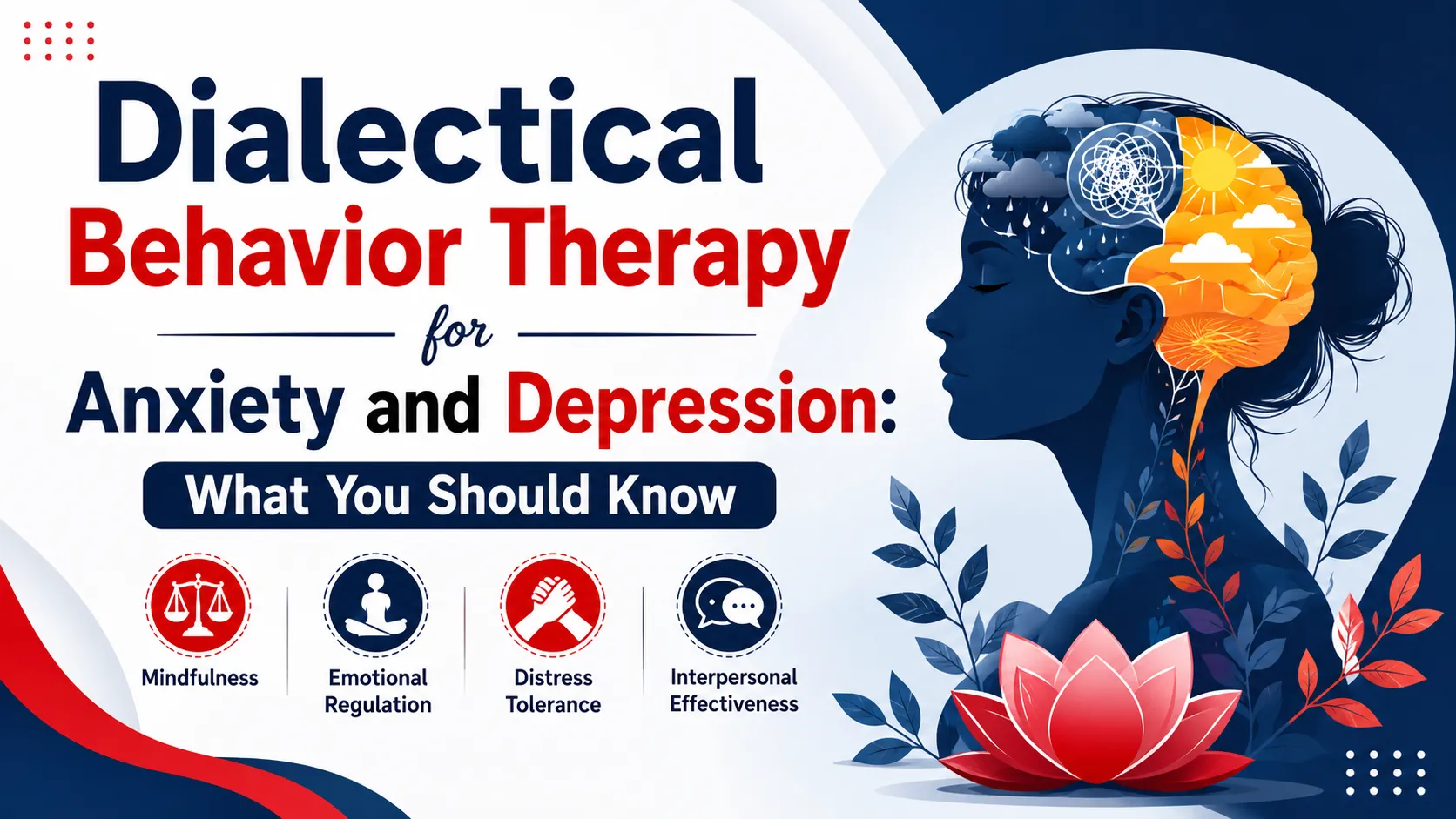
DBT is typically structured around four key skill areas:
- Mindfulness: Learning to stay present in the moment without judgment. This helps individuals observe their thoughts without becoming overwhelmed by them.
- Distress Tolerance: Building the ability to cope with emotional crises without making situations worse through impulsive actions.
- Emotion Regulation: Understanding and managing intense emotional responses in a healthier, more balanced way.
- Interpersonal Effectiveness: Improving communication skills and setting boundaries while maintaining self-respect and healthy relationships.
Together, these skills form a toolkit that helps individuals regain a sense of control over their emotional world.
How It Supports Anxiety
Anxiety often involves persistent worry, physical tension, and a sense of being “stuck” in future-focused thinking. DBT techniques, especially mindfulness and distress tolerance, help break this cycle by grounding individuals in the present moment. Instead of getting caught in repetitive “what if” thinking, people learn to observe thoughts without letting them dictate behavior.
For example, someone experiencing a panic response may learn grounding techniques such as focusing on sensory input or using breathing strategies to reduce physiological arousal. Over time, this helps retrain the brain’s automatic stress response.
How It Helps with Depression
Depression often reduces motivation, disrupts daily functioning, and can create a sense of emotional detachment. DBT addresses this by encouraging small, manageable behavioral steps that gradually rebuild structure and engagement in life.
Emotion regulation skills also play a critical role here. Individuals learn how to identify emotional triggers, reduce vulnerability to intense mood shifts, and increase positive emotional experiences through intentional actions. Even simple activities, like maintaining a routine or engaging in meaningful tasks—can become part of the healing process.
Why This Approach Works
One reason DBT is so effective is that it balances acceptance with change. Instead of telling individuals to “just think differently,” it acknowledges emotional pain while also teaching practical strategies to move forward. This balance makes it especially supportive for people who feel misunderstood or overwhelmed by traditional approaches.
Another strength lies in its structured format. Sessions often include individual therapy combined with skills training groups, allowing people to practice and reinforce what they learn in real-life situations. Over time, these repeated practices help create lasting behavioral change rather than short-term relief.
What to Expect in Therapy
Starting DBT usually involves learning foundational skills before moving into deeper emotional work. Clients are encouraged to practice exercises between sessions, which helps integrate skills into everyday life. Progress may feel gradual, but consistency is key. Many individuals notice improved emotional awareness, better coping responses, and stronger relationships as they continue the process.
It is also common for therapists to provide coaching or additional support during difficult moments, helping clients apply skills when they are most needed.
A Steady Path Toward Emotional Stability
Healing from anxiety and depression is not about eliminating emotions, it is about learning how to experience them without being controlled by them. Over time, structured therapeutic approaches like dialectical behavior therapy can help individuals build resilience, reduce emotional suffering, and develop a more balanced relationship with their thoughts and feelings.
If you’re considering support options that go beyond general talk therapy, exploring professional guidance can be an important next step. Many individuals find it helpful to connect with the Best Therapist in Philadelphia, where specialized care and evidence-based approaches can offer deeper support tailored to individual needs.
























Sign in to leave a comment.