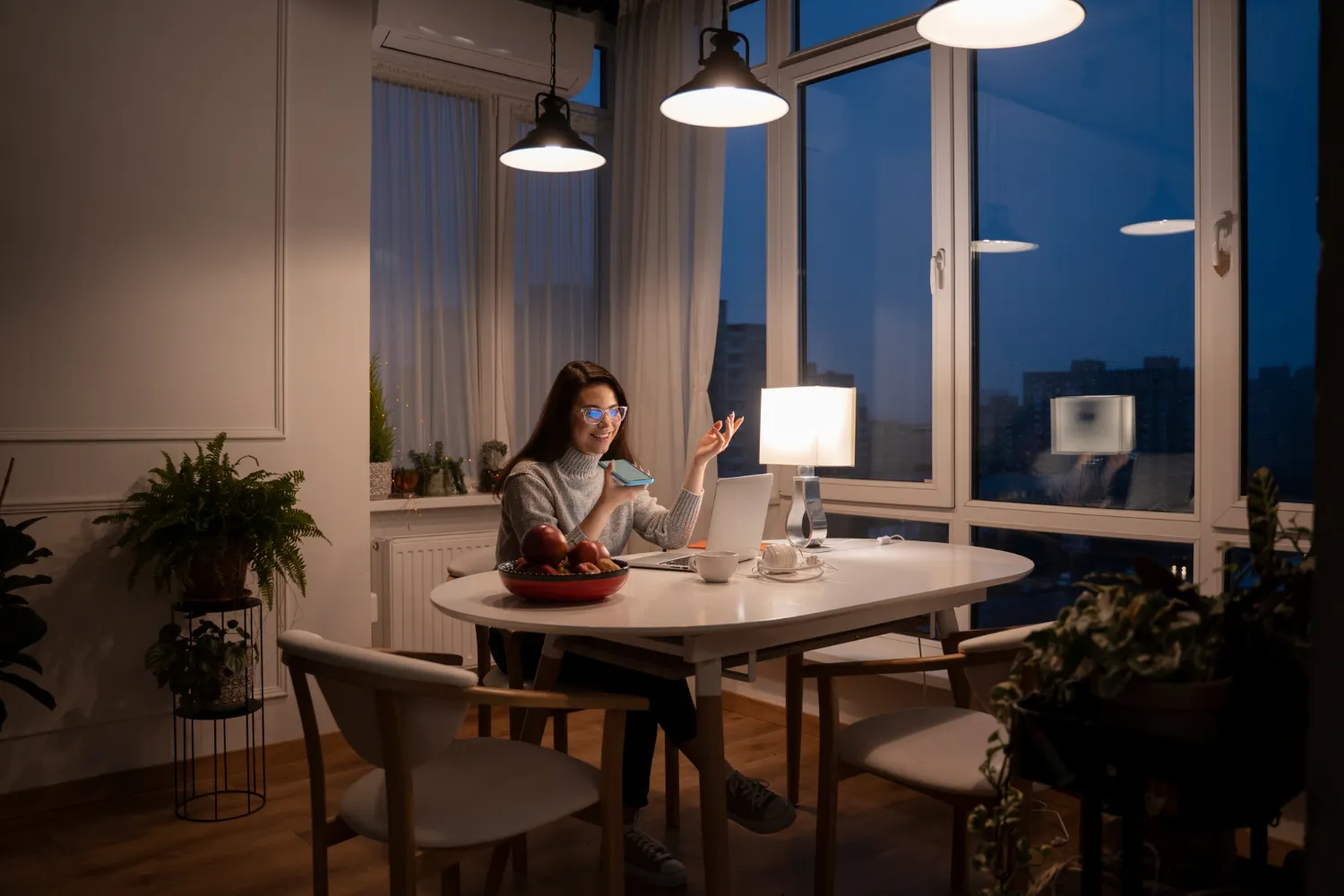

Choosing the right indoor LED lighting can make a noticeable difference to how a home or workplace looks, feels and functions. Lighting affects visibility, atmosphere, comfort and even how colours appear within a room. However, the best lighting for a kitchen may not be suitable for a bedroom, while a home office requires different illumination from a hallway.
LED technology offers a practical way to create room-specific lighting because it is available in different brightness levels, colour temperatures, shapes and fittings. By considering how each space is used, you can choose lighting that provides the right balance of functionality and ambience.
Why Indoor LED Lighting Is a Practical Choice
Indoor LED lighting has become a popular option for homes, offices and commercial interiors because LED technology provides flexible lighting solutions for different applications. LEDs are available in many styles, including ceiling lights, downlights, spotlights, panel lights and decorative fixtures.
One of the main advantages is the choice of colour temperature. Warm white lighting can create a relaxed atmosphere, while cool white light can provide a brighter, more focused environment. Neutral white sits between the two and can work well in areas where both comfort and visibility are important.
LEDs are also available in different brightness levels, allowing lighting to be selected according to room size and purpose rather than relying on a single type of fitting throughout the property.
Indoor LED Lighting for Living Rooms
The living room is usually a multifunctional space, so indoor LED lighting should be versatile enough to support different activities. You may need brighter light when reading or cleaning, but softer illumination when relaxing or watching television.
A combination of general and accent lighting can work particularly well. Ceiling lights can provide overall illumination, while wall lights, spotlights or decorative fixtures can add visual interest.
Warm white LEDs are often suitable for living areas because they create a comfortable and welcoming atmosphere. Dimmable fittings can provide even greater flexibility, allowing the brightness to be adjusted according to the time of day or activity.
When selecting fittings, consider where furniture is positioned and whether certain architectural features, artwork or shelving would benefit from additional lighting.
Choosing Indoor LED Lighting for Kitchens
Kitchens need practical illumination because food preparation, cooking and cleaning require good visibility. For this reason, indoor LED lighting for kitchens should focus on clear, evenly distributed light while reducing unwanted shadows.
Ceiling-mounted LED fittings can provide general illumination, while under-cabinet lights can brighten work surfaces. Recessed downlights can also be useful for distributing light across larger kitchen areas.
A neutral or cool white colour temperature may work well in kitchens because it provides a clean, bright appearance. However, the choice should also complement the kitchen's materials, colours and overall design.
It is worth paying particular attention to task areas. A well-lit worktop is more useful than simply having one bright fitting in the centre of the room.
Indoor LED Lighting for Bedrooms
Bedrooms generally benefit from a softer approach to indoor LED lighting. The aim is to create a comfortable environment rather than provide the intense illumination needed in a kitchen or workspace.
Warm white LEDs are a popular choice for bedrooms because their softer appearance can contribute to a relaxed atmosphere. Bedside lamps, wall lights and dimmable ceiling fixtures can provide flexibility without making the room feel overly bright.
For wardrobes and dressing areas, brighter task lighting can be added where necessary. This creates a useful combination of ambient and functional lighting without relying on one fitting for everything.
The position of the lights also matters. Avoid placing unnecessarily bright fixtures where they can cause glare when you are lying in bed.
Indoor LED Lighting for Home Offices and Study Areas
A home office requires lighting that supports concentration and clear visibility. Poorly positioned or insufficient indoor LED lighting can create shadows and glare, making computer work and reading less comfortable.
A well-positioned ceiling light can provide general illumination, while a desk lamp can supply more focused task lighting. If possible, position task lighting so that it does not reflect directly from a computer screen.
Neutral white lighting can be suitable for study areas because it offers a balanced appearance without being as warm as typical bedroom lighting. The ideal choice will depend on personal preference, the amount of natural daylight and the type of work being carried out.
Adjustable or directional fittings can also help direct light exactly where it is needed.
Indoor LED Lighting for Bathrooms
Bathrooms require careful lighting choices because they combine functional requirements with reflective surfaces. Indoor LED lighting should provide sufficient illumination around mirrors, sinks and other frequently used areas.
A ceiling fitting can provide general light, while dedicated mirror lighting can improve visibility for grooming tasks. Even illumination around the face is generally more useful than relying on a single light source directly above the mirror.
When selecting bathroom lighting, always check that the fitting is appropriate for its intended location and complies with relevant electrical and safety requirements. Lighting installed near water should have suitable protection for the environment.
Hallways, Stairs and Entryways
Hallways and staircases often need less intense lighting than kitchens or offices, but visibility remains important. Indoor LED lighting can help create a safe and welcoming route through the property.
Ceiling lights, recessed downlights and wall fittings can all be considered depending on the layout. In longer hallways, several smaller fittings may provide more even illumination than one central light.
For staircases, pay particular attention to shadows and dark areas. Lighting should help make changes in level clearly visible without producing excessive glare.
How to Choose the Right LED Colour Temperature
Colour temperature is an important consideration when selecting indoor LED lighting. It is commonly measured in Kelvin (K), with lower values producing warmer-looking light and higher values appearing cooler.
Warm white is generally associated with a softer, more relaxed appearance and can suit bedrooms and living rooms. Neutral white provides a balanced look that can work well in kitchens, bathrooms and work areas. Cool white creates a crisp, bright appearance and may be useful in certain task-focused environments.
There is no single colour temperature that works for every room. Consider the purpose of the space, existing décor, natural daylight and the atmosphere you want to create.
Consider Brightness, Beam Angle and Light Distribution
Brightness should be considered alongside room size and purpose. Simply choosing the highest-output LED does not necessarily produce the best result. Too much light can create glare, while insufficient illumination can leave areas difficult to use.
Beam angle also affects how light spreads. A wide beam can provide broader coverage, while a narrow beam can highlight a particular feature or area. This is particularly relevant when using spotlights or directional fittings.
If you are comparing different electrical products, look at specifications such as lumens, colour temperature, beam angle and fitting type rather than judging a light only by its appearance.
Combine Different Types of Indoor LED Lighting
Using several types of lighting can make a room more adaptable. Ambient lighting provides general illumination, task lighting focuses on specific activities, and accent lighting can draw attention to decorative or architectural features.
This layered approach allows the same room to serve different purposes. For example, a living room can use general ceiling lighting for everyday use, a reading lamp for focused tasks and softer accent lighting for evenings.
Before purchasing, consider the complete lighting plan rather than selecting individual fittings without thinking about how they will work together.
Make Energy Efficiency Part of Your Lighting Choice
LED technology can also support more energy-conscious lighting choices. Selecting appropriate brightness and switching lights off when they are not required can help avoid unnecessary energy consumption.
If you are looking for practical ways to reduce lighting-related energy use, explore these energy saving led lights and related efficiency tips.
It is also useful to consider the expected operating hours of each fitting. Lights used for several hours every day deserve particular attention when comparing efficiency, brightness and long-term running costs.
Where to Find Indoor Lighting for Different Rooms
Once you know the type of lighting each room requires, you can compare suitable fittings by style, specifications and intended use. A dedicated indoor led lighting collection can make it easier to browse options for kitchens, bedrooms, living areas, offices and other interior spaces.
For those comparing a wider range of electrical products, checking product specifications carefully can help ensure that each fitting is suitable for its intended application.
An online lighting store can also be useful when you want to compare different fitting styles and technical specifications in one place before deciding what works best for your space.
Conclusion: Choosing Indoor LED Lighting Room by Room
The best indoor LED lighting is not simply the brightest or most decorative option. It should match the purpose, size and atmosphere of each room. Living rooms and bedrooms may benefit from warmer, softer illumination, while kitchens, offices and bathrooms often require clearer task-focused lighting.
By considering colour temperature, brightness, beam angle, positioning and the combination of ambient, task and accent lighting, you can create a more practical and comfortable interior. Taking a room-by-room approach also makes it easier to choose LED fittings that provide useful illumination while supporting efficient everyday lighting.



























Sign in to leave a comment.