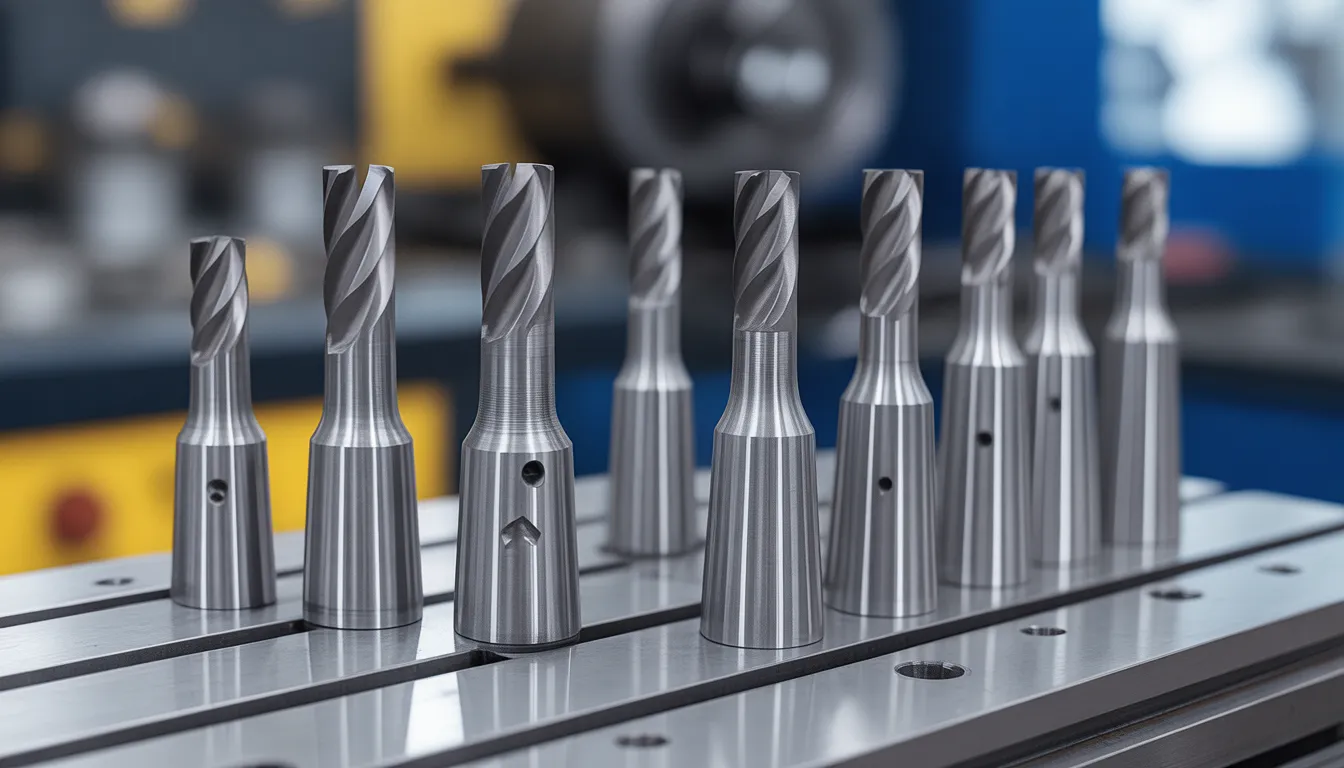

In modern manufacturing, precision and efficiency are critical for achieving high-quality results. One of the most important tools used in machining processes is Milling Cutters. Selecting the right milling cutter can significantly impact productivity, surface finish, and overall operational cost. Understanding the different types and their applications helps manufacturers make informed decisions for optimal performance.
What Are Milling Cutters?
Milling Cutters are rotary cutting tools equipped with multiple cutting edges, used in milling machines to remove material from a workpiece. These tools are essential in shaping, slotting, contouring, and finishing operations across various industries, including automotive, aerospace, and general engineering.
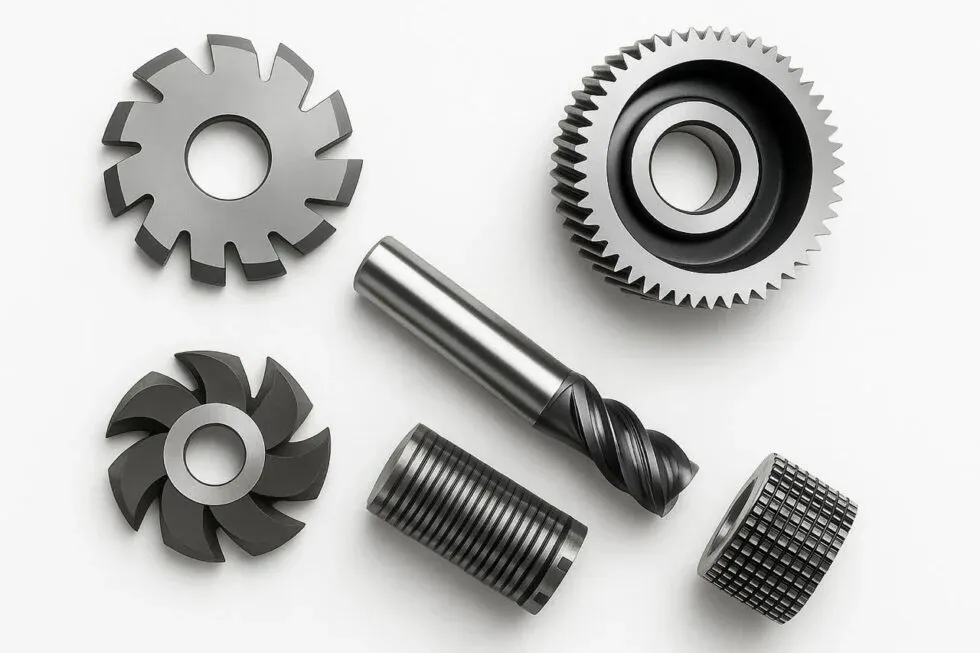
Types of Milling Cutters
Choosing the right tool starts with understanding the available types of Milling Cutters:
- End Mills – Ideal for slotting, profiling, and contouring
- Face Mills – Used for creating flat surfaces and smooth finishes
- Slab Mills – Suitable for heavy-duty surface machining
- Side and Face Cutters – Used for cutting slots and grooves
- T-Slot Cutters – Designed for specialized slotting operations
Each type serves a specific purpose, and selecting the appropriate one depends on the machining requirement.
Factors to Consider When Choosing Milling Cutters
1. Material of the Workpiece
Different materials require different cutting tools. For example, harder materials need Milling Cutters made from high-speed steel (HSS) or carbide for better durability and performance.
2. Cutting Speed and Feed Rate
Efficient machining depends on selecting cutters that can handle the required speed and feed rate without excessive wear or damage.
3. Coating and Tool Life
Advanced coatings such as TiN or TiAlN enhance the lifespan of Milling Cutters by reducing friction and heat generation.
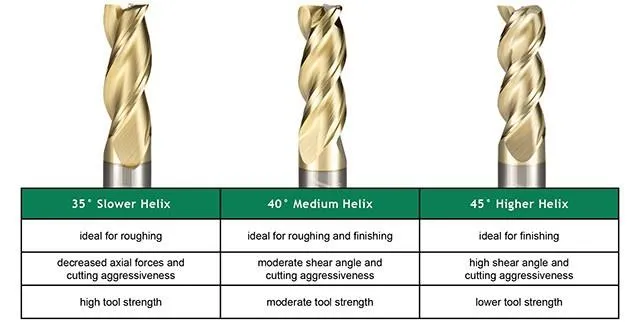
4. Type of Operation
Whether it’s roughing, finishing, or precision cutting, the choice of Milling Cutters should align with the specific machining operation.
5. Machine Compatibility
Ensure the cutter is compatible with your CNC or manual milling machine for safe and efficient performance.
Benefits of Choosing the Right Milling Cutters
- Improved machining accuracy
- Enhanced surface finish quality
- Increased productivity and efficiency
- Reduced tool wear and maintenance costs
- Better overall performance in industrial applications
Applications of Milling Cutters
Milling Cutters are widely used in:
- CNC machining operations
- Metal cutting and shaping
- Automotive component manufacturing
- Aerospace engineering
- Tool and die making
Conclusion
Selecting the right Milling Cutters is essential for achieving efficient and precise machining results. By understanding the different types, materials, and operational requirements, manufacturers can optimize their processes and improve overall productivity. Investing in high-quality milling tools ensures long-term performance, reliability, and cost-effectiveness.























Sign in to leave a comment.