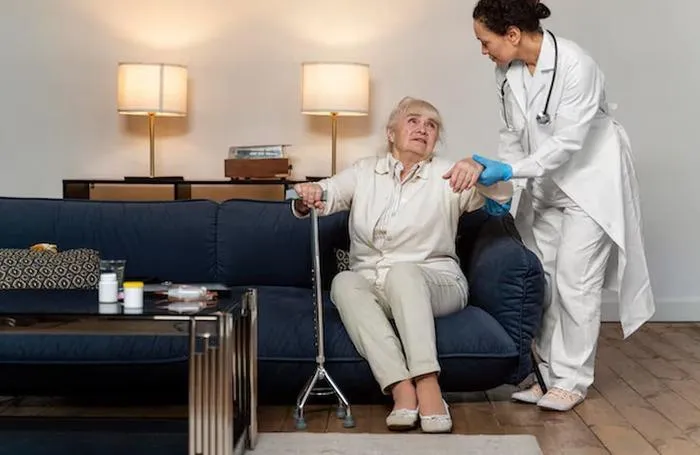

Finding a suitable residential environment for a person living with dementia requires thoughtful consideration of comfort, safety, dignity, routine, and individual preferences. Dementia can affect memory, communication, confidence, and the ability to manage familiar activities, meaning that appropriate support can become increasingly valuable over time. Dementia care homes Birmingham can provide structured and supportive surroundings where residents receive personalised assistance while continuing to enjoy meaningful activities, social connections, familiar routines, and appropriate independence. Families can carefully evaluate different aspects of residential support to identify an environment that promotes emotional wellbeing as well as practical care.
Understanding the Needs of People Living with Dementia
Dementia affects every individual differently, and symptoms can develop at different rates. Some people may experience memory difficulties, while others may have challenges with communication, orientation, decision making, mobility, or completing everyday tasks. As these needs change, the level of support required may also develop. A suitable residential environment should recognise these differences and provide assistance according to each resident's abilities, preferences, and circumstances.
Personalised support can help residents remain involved in activities they can safely complete. Staff can provide assistance where necessary while encouraging individuals to retain appropriate independence. This can help maintain confidence and prevent residents from feeling that they have lost control over their everyday lives. A balanced approach can address practical needs while also considering emotional wellbeing, personal identity, relationships, and individual interests.
Recognising Each Resident as an Individual
A person's history, personality, interests, and preferences can remain important even when dementia affects memory and communication. Information about previous hobbies, favourite music, preferred foods, family relationships, and established routines can help staff understand residents more fully. Familiar details can also provide opportunities for conversation, recognition, and emotional reassurance.
Individual preferences should influence everyday care wherever possible. Some residents may enjoy group activities and frequent conversation, while others may prefer quieter surroundings. One person may enjoy gardening, while another may prefer music, reading, crafts, or simple household activities. Recognising these differences can help create a more personal experience and encourage residents to remain connected with activities they find meaningful.
Creating a Calm and Familiar Environment
The physical surroundings of a residential setting can influence how comfortable and secure a person living with dementia feels. Unfamiliar layouts, excessive noise, poor lighting, or confusing spaces may sometimes increase uncertainty. A calm, organised environment with clear pathways, suitable lighting, comfortable furniture, and accessible facilities can make everyday movement easier. Familiar surroundings can also provide reassurance and help residents become accustomed to their environment.
Personal belongings can contribute to a stronger sense of familiarity. Photographs, favourite books, ornaments, music collections, and other treasured possessions can make a bedroom feel more personal. These items may encourage recognition and provide connections with previous experiences. Private areas can give residents opportunities to rest, while communal spaces can support social interaction. A balance between the two can help residents choose environments that suit their mood and comfort throughout the day.
Supporting Safe and Confident Movement
Changes in balance, coordination, perception, and mobility can affect how safely a person with dementia moves around. A suitable environment should reduce unnecessary obstacles while still encouraging appropriate activity. Clear walkways, suitable flooring, accessible bathrooms, handrails, comfortable seating, and good lighting can support safer movement. These features can help residents navigate their surroundings with greater confidence.
Mobility support should be based on individual abilities. Some residents may walk independently, while others may use mobility aids or require assistance. Staff can provide suitable help when necessary while encouraging residents to remain active within their capabilities. Simple activities such as walking through a garden, joining a communal meal, or moving to an activity area can provide natural opportunities for movement and engagement.
Providing Personalised Dementia Support
Personalised care planning can help ensure that residents receive appropriate assistance with their specific needs. Support may involve personal hygiene, dressing, grooming, medication, meals, mobility, communication, and other everyday activities. A suitable care plan can identify where assistance is necessary while also recognising abilities that remain. Regular reviews can help ensure that support changes when a resident's circumstances develop.
The approach used to provide support can have a major effect on the resident's experience. Staff can communicate calmly, use simple explanations, and give individuals enough time to understand and respond. Rushing through activities can sometimes create unnecessary anxiety. Patient communication can help residents feel respected and understood. Staff who become familiar with individual communication styles may be better positioned to recognise preferences and respond to changing needs.
Protecting Dignity During Personal Care
Personal care can become more important as dementia progresses, but it should always be provided with respect and privacy. Assistance with bathing, dressing, grooming, and toileting can involve sensitive situations. Residents should be informed about what is happening and encouraged to participate wherever possible. Allowing individuals sufficient time and maintaining appropriate privacy can help protect confidence and dignity.
Personal preferences can also remain important during care routines. Residents may have particular clothing preferences, grooming habits, bathing routines, or personal choices. Maintaining familiar practices can provide continuity and reassurance. Staff can provide necessary assistance while still allowing residents to make suitable decisions. This approach helps ensure that care supports the individual rather than unnecessarily controlling their daily experiences.
Encouraging Familiar Daily Routines
Familiar routines can provide stability for people living with dementia. Regular patterns for meals, personal care, activities, rest, and social interaction can make the day easier to understand. Predictability can reduce uncertainty and provide reassurance. However, routines should remain flexible because residents can have different energy levels, preferences, and changing requirements.
Family members can provide useful information about routines that were familiar before residential care. Details about preferred waking times, favourite foods, hobbies, music, and regular activities can help staff create a more personal daily structure. Maintaining familiar elements can make a new environment feel less unfamiliar. This continuity may help residents settle more comfortably and retain connections with their previous lifestyle.
Using Meaningful Activities
Meaningful activities can support emotional wellbeing, mental stimulation, physical engagement, and social interaction. Residents may enjoy gardening, music, painting, crafts, puzzles, reading, gentle exercise, or simple household tasks. Activities should be selected according to individual interests and abilities. The objective should be participation and enjoyment rather than achievement or performance.
Familiar hobbies can be especially valuable because they connect residents with experiences from earlier stages of life. Music may encourage emotional responses and memories, while gardening can provide opportunities for sensory engagement. Looking through photographs or discussing familiar subjects can also encourage interaction. Meaningful activities can give residents a sense of purpose while making daily routines more enjoyable.
Supporting Communication and Emotional Wellbeing
Communication can become more difficult as dementia progresses, but meaningful interaction remains important. Staff can use calm voices, clear language, appropriate eye contact, and patient responses. Giving residents enough time to process information can reduce pressure and encourage participation. Communication can also take place through gestures, facial expressions, music, and shared activities when verbal communication becomes more challenging.
Emotional wellbeing should remain an important part of everyday support. Residents may sometimes experience confusion, anxiety, frustration, or sadness. Staff can respond with reassurance and patience while considering possible reasons behind changes in behaviour. Identifying environmental triggers, unfamiliar situations, or changes in routine can help create a more comfortable experience. Understanding behaviour as a possible form of communication can encourage a more compassionate response.
Encouraging Social Connections
Social interaction can provide valuable companionship and reduce feelings of isolation. Shared meals, music sessions, games, conversations, celebrations, and group activities can create opportunities for residents to connect. Regular contact with familiar people can provide reassurance and contribute to a stronger sense of community.
Not every resident will enjoy large groups. Some individuals may prefer smaller gatherings, quiet conversations, or one to one activities. Providing different forms of social engagement allows residents to participate according to their personality and comfort. Staff can encourage interaction without placing unnecessary pressure on residents. Over time, familiar faces and regular conversations can develop into meaningful relationships.
Supporting Nutrition and Mealtime Experiences
Nutrition can contribute to strength, energy, and general wellbeing for older adults living with dementia. Changes in memory, appetite, coordination, or routine can sometimes affect eating habits. A supportive environment can provide regular meals, comfortable seating, suitable portions, and sufficient time for eating. Individual dietary requirements and food preferences should also be considered.
Mealtimes can provide social opportunities as well as nutritional support. Sitting with other residents can encourage conversation and create a familiar daily pattern. A calm dining environment can help reduce unnecessary distractions and make eating more comfortable. Staff can remain aware of changes in appetite or eating habits and respond appropriately. Familiar foods and consistent routines may also help residents feel more comfortable during meals.
Encouraging Hydration
Regular fluid intake can form an important part of daily wellbeing. People living with dementia may sometimes forget to drink or may not recognise thirst clearly. Offering drinks regularly can therefore become part of a familiar routine. Preferred beverages can be offered at appropriate times, including around meals and activities.
Staff can remain attentive to individual preferences and established habits. Family members can also provide useful information about favourite drinks and previous routines. Making drinks accessible and offering gentle reminders can help encourage regular intake. A consistent approach can make hydration feel like a natural part of everyday life rather than an additional task.
Maintaining Family Relationships
Family relationships can remain deeply meaningful for people living with dementia. Regular visits, telephone calls, photographs, music, and shared activities can help maintain emotional connections. Relatives can also provide valuable information about a resident's history, personality, interests, and preferences. This information can help staff understand the individual and create more personalised opportunities for engagement.
Open communication between families and staff can support consistency. Relatives may notice changes in mood, appetite, communication, or mobility during visits, while staff may observe patterns during everyday routines. Sharing appropriate information can help identify changing requirements. Residents should remain involved in decisions about their care whenever possible, with their preferences continuing to guide suitable support.
Making Family Visits Meaningful
Visits can become more enjoyable when family members focus on familiar and simple activities. Looking through photographs, listening to favourite music, sharing refreshments, reading together, or spending time in a garden can encourage positive interaction. Long conversations are not always necessary. Quiet companionship can also provide comfort and emotional connection.
Families can consider visiting at times when residents are generally comfortable and alert. Busy environments may sometimes be tiring, so quieter visits can be more suitable for certain individuals. Maintaining a calm approach can make visits more positive. The focus should remain on spending meaningful time together rather than testing memory or expecting particular responses.
Choosing an Appropriate Dementia Care Environment
Families considering residential dementia support can evaluate several important factors. Staff experience, personalised care planning, accessibility, activities, communication, safety, family involvement, nutrition, and the overall atmosphere can all influence a resident's quality of life. Families can ask how care plans are created and reviewed, how changing needs are identified, and how individual preferences are incorporated into everyday routines.
Visiting potential settings can provide useful insight into the atmosphere and approach to care. Families can observe how staff communicate with residents and whether people appear comfortable and engaged. They can also examine bedrooms, communal spaces, gardens, dining areas, and accessibility features. Questions about activities, personal care, medication, routines, visiting arrangements, and future support can help families make an informed decision.
Considering Future Requirements
Dementia can involve changing support needs over time. A resident who initially requires limited assistance may later need greater help with communication, mobility, personal care, nutrition, or everyday activities. Families can therefore consider whether a setting has the flexibility to respond as circumstances change. Regular care reviews can help ensure that support remains appropriate.
Continuity can also be valuable because familiar surroundings, staff, routines, and relationships may provide reassurance. Moving between different environments can create additional uncertainty. A setting that can adapt its support may allow residents to remain in familiar surroundings for longer. Families can therefore consider both present requirements and possible future needs when choosing a residential environment.
Promoting Independence and Quality of Life
Quality dementia support should involve more than managing essential care tasks. Residents can continue to experience enjoyment, companionship, personal interests, familiar routines, and meaningful choices. Encouraging suitable independence can help maintain confidence and participation. Staff can provide assistance where necessary while allowing residents to complete appropriate tasks themselves.
The right dementia care homes Birmingham can provide supportive environments where residents receive personalised assistance while continuing to experience meaningful daily activities. Families can look for settings where staff communicate patiently, recognise individual histories, encourage suitable independence, and create opportunities for companionship. A thoughtful approach can help residents feel secure and respected while their changing needs are addressed.
Conclusion
Choosing a suitable dementia care environment requires families to consider physical comfort, emotional wellbeing, personal identity, social relationships, safety, and changing support requirements. Calm surroundings, familiar routines, meaningful activities, personalised assistance, suitable nutrition, family involvement, and respectful communication can all contribute to a positive residential experience. Careful evaluation can help families identify an environment that supports their loved one's needs while preserving dignity and appropriate independence.
A compassionate residential setting should recognise the individual behind the condition and continue to respect their history, preferences, abilities, and relationships. Appropriate support can provide reassurance while helping residents remain engaged with meaningful parts of everyday life. Oakview Carehome can provide a welcoming environment focused on comfort, dignity, personalised support, companionship, and the overall wellbeing of residents with changing care requirements.





























Sign in to leave a comment.